
US sanctions on Iran intensify as Treasury targets parallel banking, oil and crypto networks
US Treasury expands sanctions on Iran, targeting parallel banking, crypto channels, oil exports and arms networks in a campaign called ‘economic wrath’.
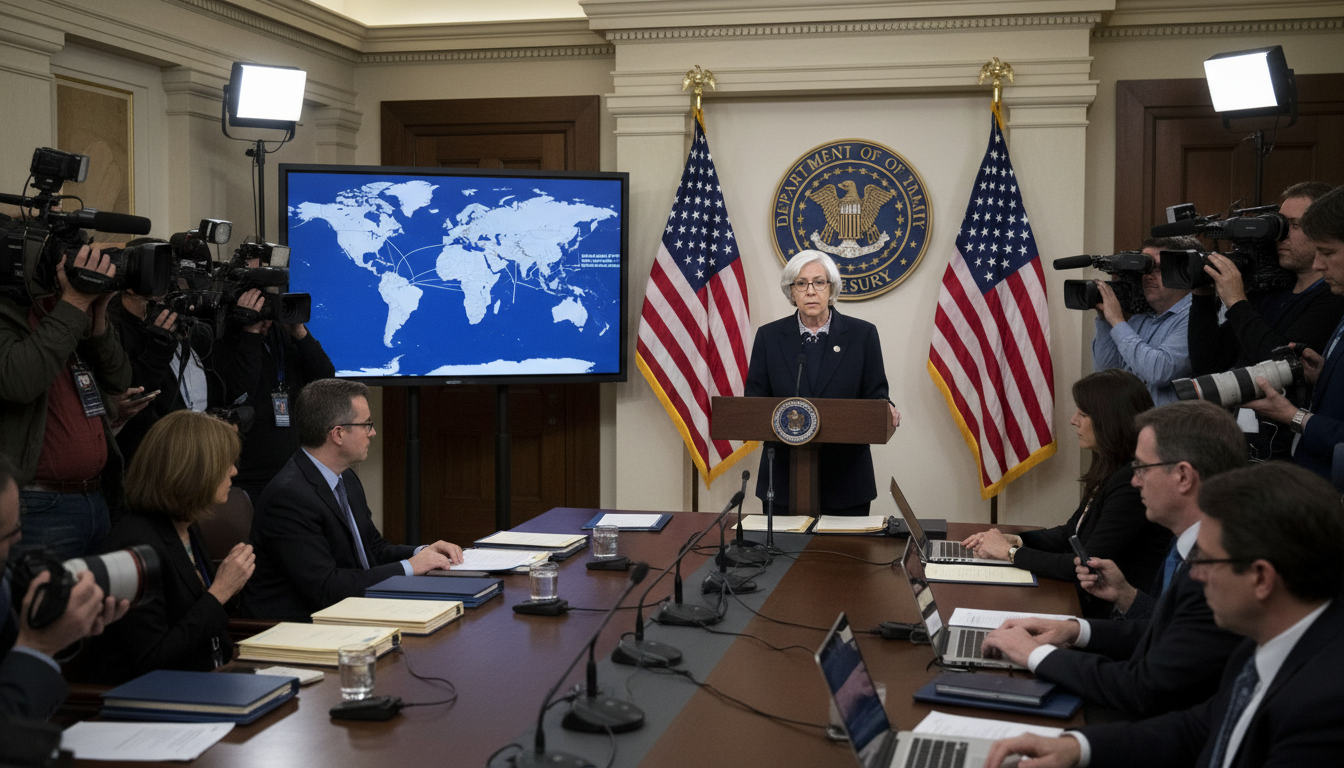
The US Treasury announced an expanded campaign of sanctions on Iran on Wednesday, saying it has targeted the country’s parallel banking infrastructure, cryptocurrency channels, informal tanker fleet and shadow supply chains. The announcement—described by Washington as part of an “economic wrath” effort—aims to disrupt revenue streams that the Treasury says could fund militant groups and weapons procurement. Treasury officials said the measures have already undermined significant sums of revenue and will continue as part of a broader pressure strategy.
Treasury frames latest measures as a coordinated pressure campaign
Treasury officials characterized the new measures as a coordinated escalation in Washington’s effort to choke off illicit finance and export routes. In a statement, Treasury spokesman Scott Bessent said the actions form part of a campaign to prevent funds from flowing to armed groups and to block sources of revenue for the Iranian government. The department described the move as a continuation of “maximum pressure” policies, aimed at increasing economic pain on channels that lie outside Iran’s formal financial system. Officials stressed the measures combine traditional sanctions with steps aimed at digital assets and maritime facilitation.
Targets include parallel banks, crypto conduits and informal tankers
The Treasury said its designations focus on a range of nontraditional mechanisms used to move value into Iran, including parallel banking networks and cryptocurrency conversion points. Also targeted is an informal tanker fleet that oil buyers use to obscure shipments, as well as small independent Chinese refineries that have been identified as part of the downstream market for Iranian crude. The department framed these actions as closing loopholes that previously allowed Tehran to monetize oil and other exports despite restrictions on formal banking channels. The shift to digital assets and non-state maritime actors has been singled out as especially important in the new sanctions push.
Kharg Island storage pressures and projected revenue losses
Treasury commentary highlighted mounting strain on Iran’s oil export logistics, noting that Kharg Island — a key export terminal — is nearing its storage limit. The statement warned that filled storage could force Tehran to cut output, which the Treasury estimates would reduce revenues by roughly $170 million per day. That, officials said, would inflict further economic pressure on a system already coping with currency depreciation and rising inflation. The ministry urged that diminished export capacity will have both short-term revenue effects and longer-term consequences for Iran’s oil infrastructure.
Disruption aimed at arms procurement and militant financing networks
Officials said a central aim of the sanctions is to interrupt networks that facilitate arms procurement and financing for groups the US deems terrorist organizations. The Treasury’s actions were described as targeting intermediaries, brokers and entities that convert trade receipts into weapons purchases or send funds to proxy groups across the region. By naming nodes in these networks, the department intends to raise the operational and reputational cost of continuing such activity. The measures are intended to be both punitive and deterrent, signaling consequences for third parties that assist illicit flows.
Warning to vessels, entities and third-country facilitators
The Treasury issued a clear warning that any person, ship, or entity found to be facilitating illicit flows to Tehran could face US sanctions and penalties. The statement made special note of maritime actors and service providers that help conceal shipments or ownership of tankers and cargoes. Officials also emphasized scrutiny of financial intermediaries and swap arrangements that obscure the origin or beneficiaries of transactions. The warning was framed as part of a broader effort to compel compliance by international partners and to close avenues that have allowed sanctions evasion.
Regional and market implications of the intensified pressure
Analysts say the new measures may complicate already fragile regional trade patterns and push buyers to further obscure dealings, at least in the near term. Markets could see temporary dislocations if Iranian exports are curtailed, though the Treasury suggested the aim is a managed reduction targeted at illicit proceeds rather than broader energy market shocks. The emphasis on small refiners and informal shipping highlights how sanctions enforcement increasingly crosses both the digital and physical domains of trade. Gulf states and global ports may face increased scrutiny as authorities track shipments and financial flows connected to Iran.
The Treasury concluded by pledging continued maximum pressure and reiterated that the United States will pursue sanctions against those who facilitate prohibited flows to Tehran. Officials said the campaign will combine financial designations, maritime interdiction efforts and scrutiny of crypto and informal banking mechanisms. The department’s message was unequivocal: facilitators who believe they are operating below the radar now risk being identified and sanctioned under a broadened enforcement posture.
