
Venezuela earthquake reconstruction shifts into focus as death toll reaches 4,829
Three weeks after the June 25, 2026 earthquakes that killed 4,829, Venezuela faces a fraught transition from rescue to reconstruction amid uncertainty.
Immediate human cost and casualty figures
Three weeks after the late June tremors, authorities report at least 4,829 confirmed deaths, with many more injured or missing across affected states. Hospitals and morgues remain under strain as health services try to treat the wounded and account for the dead.
Emergency shelter sites and temporary camps are still housing thousands, and local officials warn that the full human cost will take weeks to assess. Families across urban and rural areas continue to search for loved ones while coping with sudden displacement.
Search-and-rescue operations wind down
Search-and-rescue teams have largely completed the most intensive phase of operations and are shifting resources toward debris clearance and site stabilization. Local rescue brigades, national emergency services and volunteer groups coordinated in the immediate aftermath to recover survivors and bodies.
Officials say the pace of recoveries has slowed as teams move from high-intensity extraction to careful assessments of damaged structures. That transition marks a turning point for many communities, from immediate survival needs to longer-term planning for rebuilding.
Government reconstruction plan remains vague to many
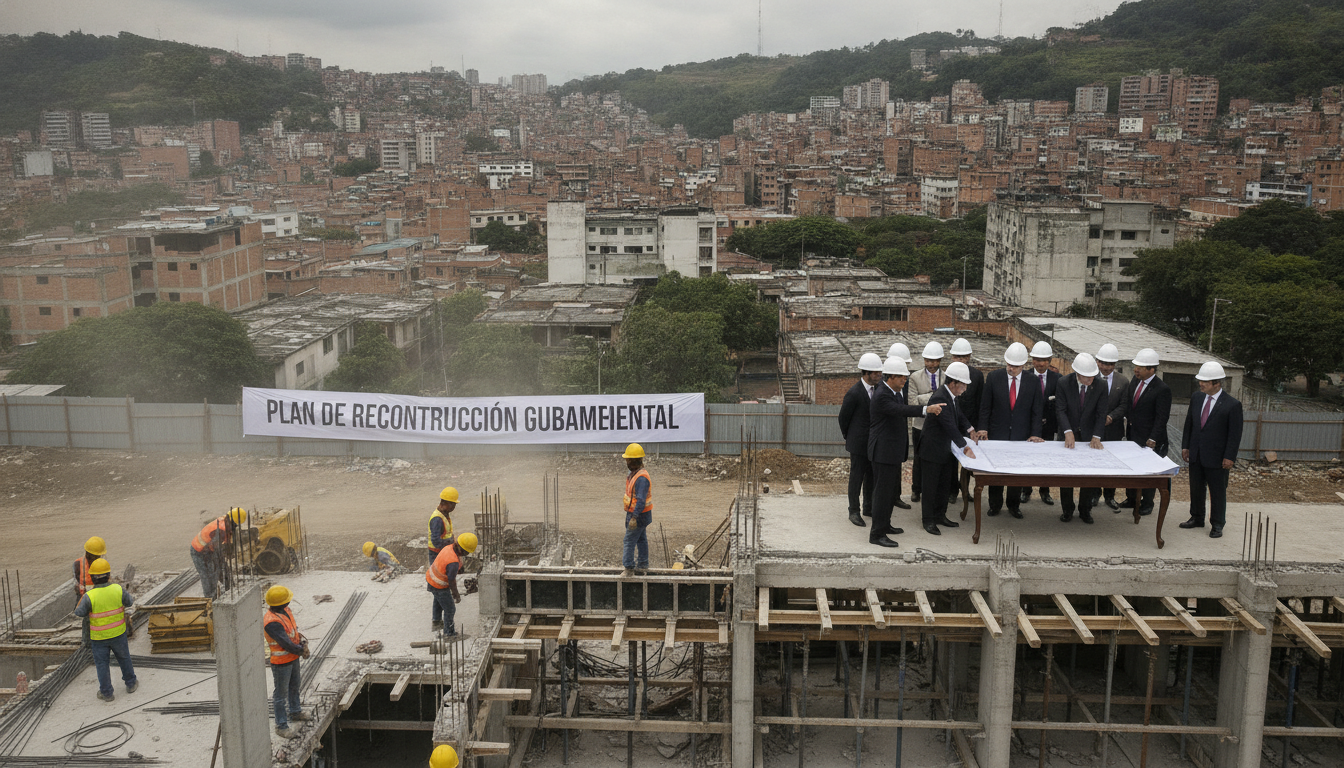
The national government has announced intentions to launch a reconstruction programme, but details on timelines, funding and implementation remain limited. Municipal and regional authorities say they have yet to receive clear roadmaps or budgets that would allow them to begin systematic rebuilding.
Citizens and local leaders expressed frustration at the lack of concrete milestones for housing, utilities and public services restoration. Without firm commitments on who will lead reconstruction projects and how displaced families will be rehoused, uncertainty is feeding concern in the hardest-hit neighbourhoods.
Damage to infrastructure and public services
Critical infrastructure—roads, bridges, hospitals and power lines—sustained heavy damage in several areas, complicating relief efforts and slowing the movement of supplies. Water and sanitation systems are disrupted in parts of the affected regions, raising public health concerns as the recovery period lengthens.
Schools, clinics and marketplaces also suffered structural harm, and engineers are conducting assessments to determine which buildings can be repaired and which must be demolished. Restoring transport links and utility services will be essential before large-scale reconstruction can begin.
Community fears over housing and livelihoods
Many families remain in makeshift shelters or crowded temporary accommodations, unsure when they will be able to return home. Local business owners and farmers report damage to shops, warehouses and fields, threatening incomes and local food supplies for the months ahead.
Community groups are calling for transparent timelines and direct support for rebuilding livelihoods, not just housing. Residents stress the need for materials, technical help and cash assistance to restart small businesses and repair agricultural land.
International aid offers and fiscal constraints
International organizations and non-governmental agencies have indicated readiness to provide humanitarian support and expertise, while some governments have offered assistance. Delivering aid at scale will depend on coordination with Venezuelan authorities and on resolving logistical and bureaucratic challenges.
Venezuela’s economic constraints complicate reconstruction planning, and analysts warn that financing large rebuilding projects will require external loans or targeted donor support. The coming weeks are likely to reveal how much international funding and technical assistance will be mobilized to supplement domestic resources.
Next steps and the timeline for rebuilding
Authorities say priority actions include clearing debris, securing damaged structures, and conducting comprehensive damage assessments to inform a national reconstruction strategy. However, many municipal leaders say they need detailed directives and funding commitments to move from emergency measures to coordinated rebuilding.
Experts note that reconstruction must balance speed with safety and resilience to reduce the risk of future losses. Communities want transparent criteria for housing assistance and clear channels for residents to participate in planning and procurement decisions.
In the weeks ahead, Venezuelan authorities, local officials and international partners face a complex task: converting emergency relief into a sustained reconstruction effort that can restore homes, services and livelihoods. The scale of destruction and the urgent needs of displaced families make timely, well-funded action essential if recovery is to be equitable and lasting.
