
Hantavirus in Venezuela: Three Deaths Confirmed in Anzoátegui, Ministry Says
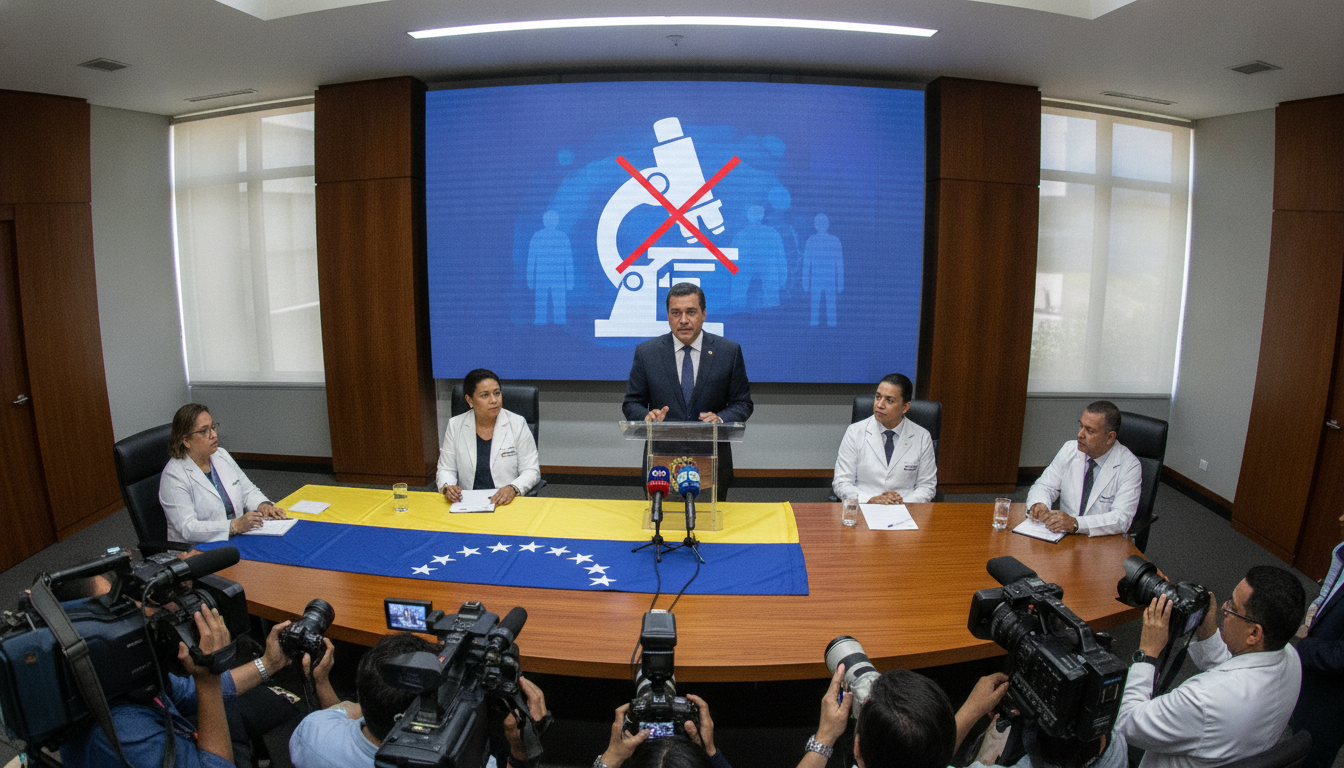
Venezuela’s Health Ministry has confirmed three deaths from hantavirus in Anzoátegui and said there is no evidence of human-to-human transmission. The ministry also denied any connection between these fatalities and separate, unexplained deaths of health workers in Barinas. The announcement comes amid heightened public concern after an earlier hantavirus outbreak linked to a cruise ship drew international attention.
Confirmed Cases and Official Statement
The Health Ministry reported that three people in northeastern Anzoátegui died after receiving a confirmed diagnosis of hantavirus. Officials emphasized that laboratory confirmation established the cause in these cases and provided details to regional health authorities.
Ministry spokespeople explicitly rejected any epidemiological link between the Anzoátegui cases and the recent deaths of two health workers in Barinas. They said investigations into the Barinas fatalities are ongoing and have not produced evidence tying those deaths to hantavirus.
Local Epidemiology and Patient Details
The ministry did not release the identities of the deceased, citing privacy and ongoing investigations. Local health teams in Anzoátegui have been instructed to enhance surveillance and report any suspected cases immediately.
Regional hospitals and clinics were told to review infection-control measures and to monitor patients presenting with fever, respiratory symptoms, and other signs consistent with severe hantavirus infection. Health authorities reiterated guidance for clinicians on testing and reporting protocols.
Transmission Assessment and Risk to Public
Health officials stated there is currently no indication of person-to-person transmission in the confirmed Anzoátegui deaths. The ministry described hantavirus as a zoonotic infection typically associated with exposure to infected rodents and their excreta.
Authorities urged residents to take standard rodent-control precautions, including sealing homes, removing potential rodent food sources, and avoiding enclosed spaces where rodent droppings may accumulate. Public health messages stressed that, based on current findings, the general public risk remains low when recommended precautions are observed.
Investigation into Unrelated Health Worker Deaths
The ministry separated the Anzoátegui cases from the deaths of two healthcare workers in Barinas, noting the latter cluster remains unexplained. Investigators in Barinas are conducting autopsies and laboratory analyses to determine causes, while maintaining infection-prevention measures for staff.
Officials cautioned against drawing premature conclusions about any linkage until forensic and laboratory results are complete. They also appealed for cooperation from local hospitals and families to facilitate comprehensive inquiries.
Regional Context and Cruise Ship Incident Recall
The announcement revived memories of a hantavirus episode earlier this year that involved a cruise ship and prompted international concern. That incident led to heightened surveillance in ports and among travellers, and health authorities said the recent Anzoátegui confirmations are epidemiologically distinct.
Public health experts noted that isolated clusters of hantavirus can occur sporadically in areas with rodent exposure, and that global attention to the cruise-related outbreak had improved regional diagnostic readiness. Health ministries in affected countries have used that experience to refine protocols for testing and case management.
Guidance for Clinicians and Public Health Measures
The Health Ministry advised clinicians to consider hantavirus in patients with compatible symptoms, particularly if there is a history of rodent exposure or residence in rural settings. Rapid referral for laboratory testing and supportive care were recommended for severely ill patients.
Preventive recommendations issued to the public emphasized basic sanitation, safe cleanup of rodent-contaminated areas with protective gear, and prompt reporting of unusual febrile or respiratory illnesses to local health authorities. Officials reiterated that early clinical recognition can improve outcomes and limit alarm.
Venezuela’s announcement seeks to balance transparency about confirmed hantavirus deaths with reassurances aimed at preventing panic. Authorities have pledged to publish further findings as laboratory results and field investigations progress, and to coordinate with regional health partners to monitor any changes in the epidemiological situation.
