
U.S. sanctions on Iranian airlines: Treasury warns firms providing fuel, maintenance or ground services face penalties
U.S. sanctions on Iranian airlines are tightening as the Treasury warns companies and foreign governments that providing fuel, maintenance or ground handling to Iranian carriers could expose them to American penalties, urging stricter compliance amid rising regional tensions.
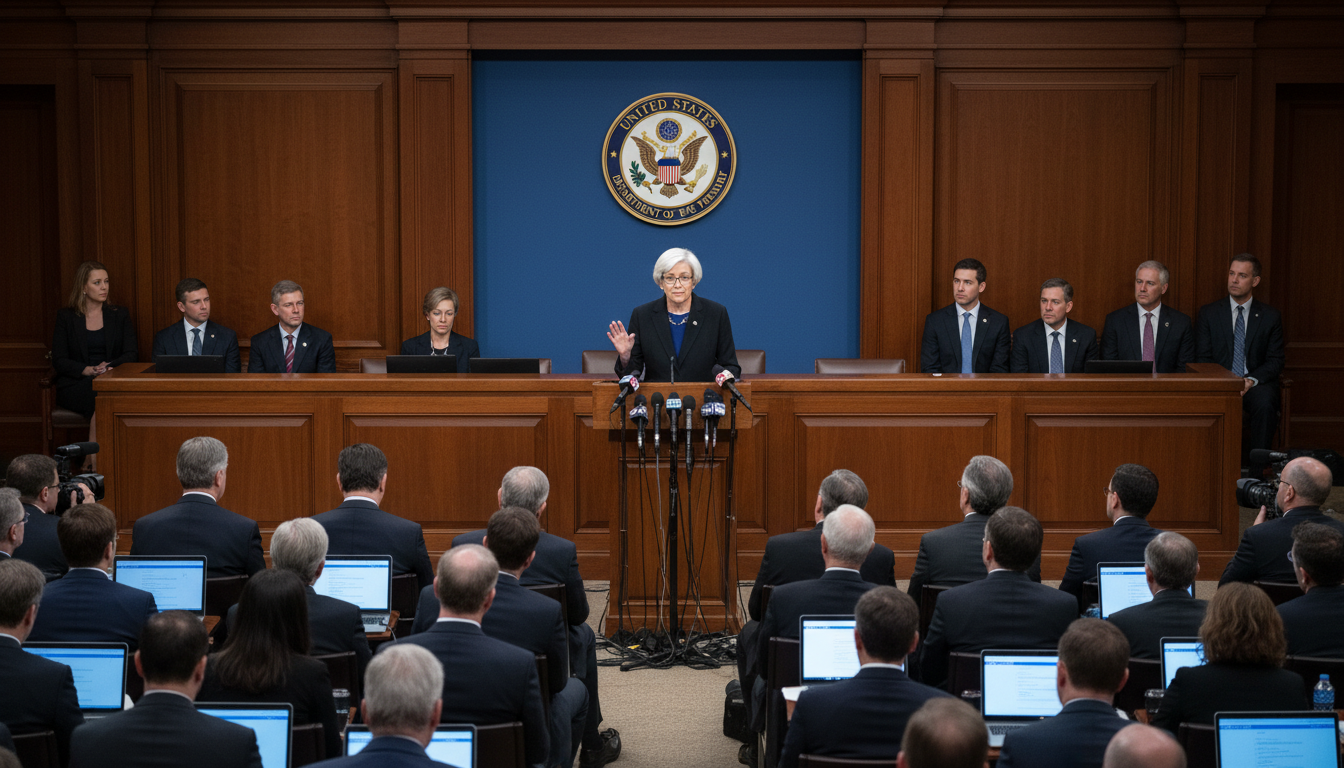
The U.S. Treasury warned on Tuesday that institutions doing business with sanctioned Iranian airlines risk facing American penalties, part of a broader campaign to apply economic pressure on Iran. Treasury Secretary Scott Bessent said in a post on X that commercial dealings with sanctioned Iranian carriers — including providing fuel, catering, landing fees or maintenance — could trigger U.S. enforcement action. The statement follows Iranian state media reports that Tehran has resumed some commercial flights from its international airport for the first time since hostilities intensified.
Treasury Secretary’s warning and the scope of the advisory
The Treasury’s advisory explicitly targeted companies and service providers that support airline operations, highlighting how routine aviation services can create exposure to sanctions. Bessent urged foreign governments to ensure that entities under their jurisdiction do not offer aircraft fuel, ground handling, maintenance or related services to planes operated by sanctioned Iranian airlines. Officials framed the move as an effort to choke off financial and logistical support that could sustain sanctioned carriers’ operations.
The advisory stops short of naming specific firms or listing new designations, but its language signaled heightened scrutiny of the aviation supply chain. Fuel suppliers, ground handlers, catering companies, airport operators and maintenance organisations were identified as potentially vulnerable if they service sanctioned aircraft. The Treasury emphasised that failure to comply could result in secondary sanctions or other enforcement measures against non-U.S. entities.
Iran resumes commercial flights from Tehran amid tensions
Iranian state media reported earlier this week that commercial flight operations from Tehran’s international airport have restarted after a period of suspension tied to the conflict. The resumption of flights came as Tehran navigates operational and regulatory hurdles while facing intensified U.S. and allied pressure. Iranian authorities have presented the return of some scheduled services as a sign of normalisation, though details about routes, carriers and the extent of services remain limited.
The timing of the resumed flights intersects with Washington’s renewed warnings, creating immediate practical questions for airports and service providers. Carriers and suppliers operating in the region must quickly assess whether routing, refuelling or maintenance requests involve aircraft linked to entities on U.S. sanctions lists. The combination of resumed air services and a stricter advisory increases legal and commercial complexity for aviation stakeholders.
Practical implications for airlines, suppliers and airports
Commercial aviation is supported by a wide network of third-party providers, and the Treasury’s advisory places that network squarely within the sanctions frame. Companies that supply aviation fuel, repair services, spare parts, ground handling or catering must now factor sanctions compliance into contractual and operational decisions. Insurers and financial institutions financing aviation transactions will also face pressure to vet counterparties and transactions more rigorously.
Industry compliance officers are likely to update screening procedures and require enhanced documentation before accepting new business tied to Iranian routes. Airports in the Gulf region and beyond may have to implement rapid reporting and denial protocols if a suspicious aircraft requests services. The advisory could lead some firms to adopt a conservative approach, declining business where the risk of secondary sanctions is unclear.
U.S. strategy: financial pressure as a tool
The Treasury framed the action as part of a larger strategy to apply economic pressure on Tehran by constraining its ability to finance and sustain operations internationally. U.S. officials view targeted sanctions and the denial of critical services as instruments to limit the logistical capabilities of sanctioned entities. The approach relies on persuading third-country actors to enforce restrictions, effectively internationalising the U.S. sanctions architecture.
Analysts say this method aims to create a multiplier effect: by cutting off routine support, the costs and complications of operating internationally rise for sanctioned parties. However, the effectiveness of such measures depends on international cooperation, the willingness of private firms to comply, and the resilience of alternative supply channels. Enforcement will also hinge on clear guidance and consistent application from regulators.
Regional ramifications and compliance challenges in the Gulf
The advisory carries particular weight for Gulf states, where major airports, fuel suppliers and maintenance firms play central roles in global aviation networks. UAE-based companies and others across the Gulf must now weigh commercial opportunities against legal exposure. Governments in the region will be asked to demonstrate that firms under their jurisdiction are not facilitating services to sanctioned Iranian aircraft.
Compliance burdens are likely to increase for regional airports that receive diverse international traffic. Some operators may introduce additional due diligence checks and closer coordination with national aviation authorities. At the same time, state-level responses could vary, reflecting differing diplomatic priorities, economic relationships and risk appetites.
The Treasury’s notice underscores the intersecting legal, commercial and geopolitical factors that now shape routine aviation activity. Entities operating in aviation and logistics must reassess contracts and operational plans while monitoring official lists and guidance. The new emphasis on secondary exposure means that even indirect or infrequent dealings with sanctioned carriers can carry significant consequences.
As regulators and industry stakeholders digest the advisory, the immediate effect is heightened caution across the aviation supply chain. Businesses that provide refuelling, maintenance, ground handling or landing services should seek legal advice and update compliance programs to align with the Treasury’s guidance. The coming days will be decisive in determining how strictly the advisory is enforced and how quickly regional operators adjust their practices.
