
UK Maritime Trade Operations Centre Handles Rising Strait of Hormuz Distress Calls as Traffic Plummets
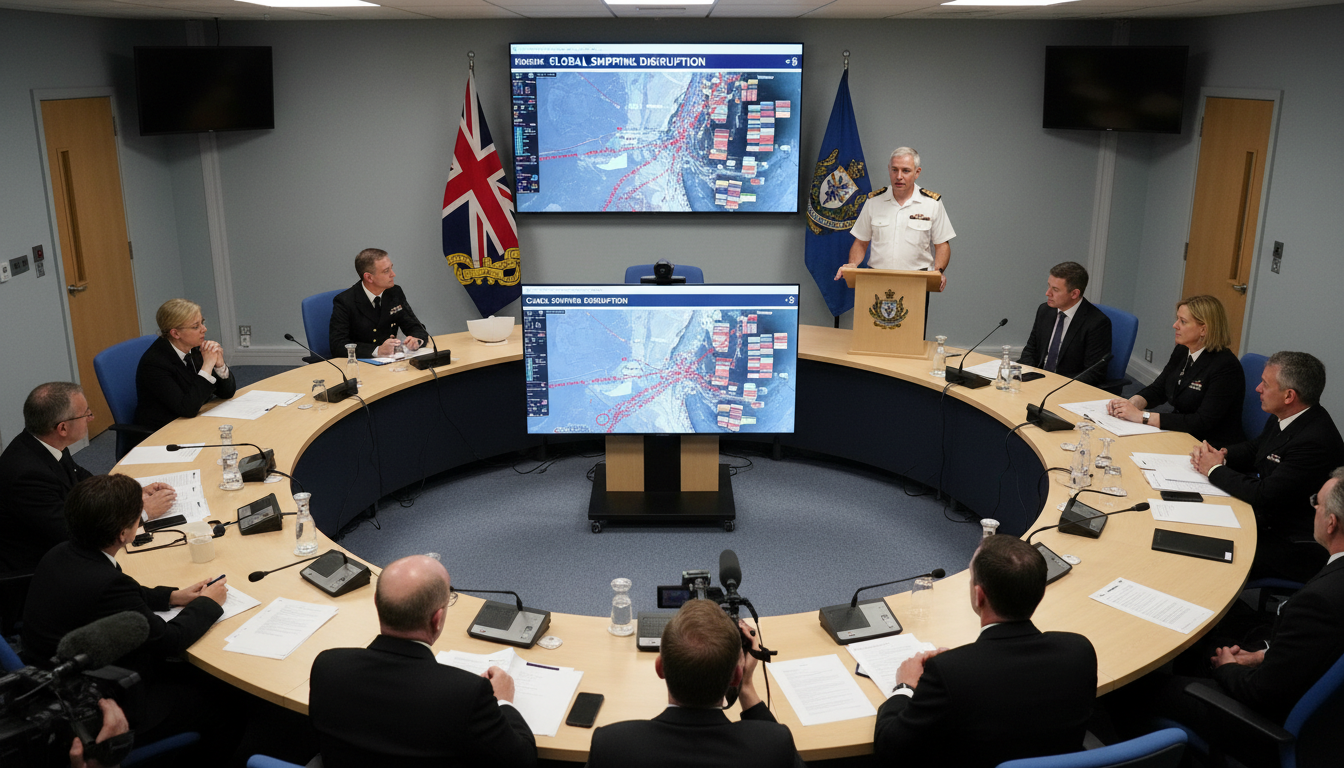
UK Maritime Trade Operations Centre in Portsmouth monitors commercial shipping amid Strait of Hormuz tensions, coordinating incident reports, alerts and rescues
The UK Maritime Trade Operations Centre in Portsmouth has become a critical lifeline for commercial vessels navigating the Strait of Hormuz, receiving distress calls and relaying emergency assistance as regional tensions force a dramatic drop in traffic. The centre, led by the British navy and staffed around the clock, logs reports from ships by satellite phone and email, alerting regional authorities and advising shipping firms on safe routes. Since the outbreak of the conflict on February 28, the centre’s systems and personnel have been in near-constant use as owners and crews seek reliable information on threats such as missile strikes, drones and suspected mines. The collapse in transit through the strait has strained global supply chains, leaving hundreds of vessels and thousands of seafarers caught in uncertainty.
Distress Calls Routed to Portsmouth
When ships come under attack in the Strait of Hormuz, one of the first reactions is to contact the UK Maritime Trade Operations Centre, which fields emergency calls from vessels thousands of miles away. Commander Joanna Black, head of operations, says the most distressing incidents are those in which crew members call immediately after being struck, requiring urgent coordination with local coastguards and naval units. The centre verifies reports, marshals information and, where possible, helps direct rescue efforts by sharing last-seen locations and contact details with responding authorities.
Centre Origins and Changing Mission
The organisation was established more than 25 years ago, originally in Dubai, as part of Britain’s wider response to new global threats after the 9/11 attacks and later shifted focus to fighting piracy off Somalia. Over time it evolved into a monitoring and emergency service for commercial shipping across some of the world’s busiest sea lanes, including the Red Sea, the Indian Ocean and the Persian Gulf. Its remit has expanded and contracted with geopolitical shifts, but its core task—providing impartial, timely information to vessels in distress—remains unchanged.
Sharp Drop in Strait of Hormuz Traffic
Before the current conflict, roughly 130 ships transited the Strait of Hormuz each day, according to the organisation’s figures, underscoring the waterway’s importance to global trade. That figure has fallen sharply to about eight to ten vessels a day as carriers reroute or delay voyages amid security concerns. The effective partial closure has left around 850 large vessels stranded in the wider region and is estimated to affect roughly 20,000 seafarers, contributing to higher energy prices and wider commercial disruption.
Threats Reported: Missiles, Drones, Small Arms and Mines
Incidents logged since the start of March show a range of threats to merchant shipping, from missile and unmanned aerial vehicle strikes to small-arms fire directed at bridges and engine rooms. U.S. and European officials have warned of mines laid in the strait, and while the centre has not received direct reports of commercial ships striking mines, Commander Black said the paucity of traffic makes detection and reporting more difficult. The uncertain scale and location of explosive hazards have made insurers and operators particularly cautious about transits.
Incident Logging, Verification and Rescue Coordination
Operators at the Portsmouth control room gather evidence from multiple sources when an incident is reported, verifying eyewitness accounts by calling affected crews or nearby vessels to confirm details. When crews cannot be reached directly, the team cross-checks secondhand reports and contacts local authorities to prompt search-and-rescue where needed. The centre also publishes incident updates and traffic advisories on its public channels, which shippers and policymakers use to assess risk and adjust routing decisions, and logging with the organisation can help companies reduce insurance premiums.
Neutrality and Industry Trust
Although the unit operates within the British naval umbrella, it emphasizes neutrality, receiving and relaying information regardless of a ship’s flag or its owners’ diplomatic ties. The 18-person team near Portsmouth works 24 hours a day, prioritizing accurate, fact-based reporting to maintain credibility with carriers, insurers and national authorities. Cooperation is voluntary, but the organisation’s reputation for impartial data has made it a trusted source for those seeking to navigate volatile waters safely.
The UK Maritime Trade Operations Centre’s role has expanded beyond simple incident reporting; it now functions as a coordination hub and information clearinghouse at a time when clear, verified data can mean the difference between timely rescue and further loss. As tensions continue to reshape shipping patterns through the Strait of Hormuz, the centre’s ability to verify reports rapidly and connect crews with local responders will remain central to efforts to preserve maritime safety and keep critical trade routes as open as conditions allow.
