
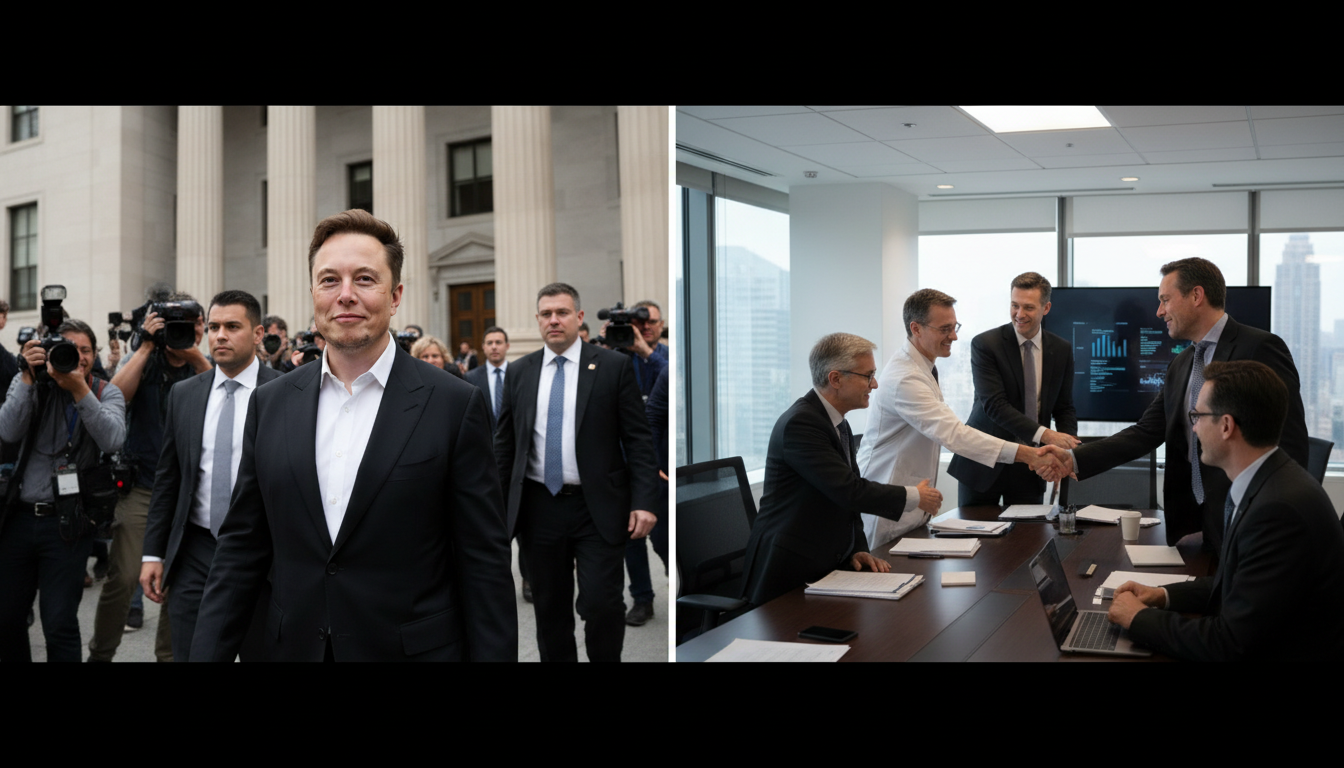
Elon Musk OpenAI lawsuit verdict: Oakland jury finds case time-barred
Oakland jury finds Elon Musk’s lawsuit against OpenAI time-barred in unanimous verdict; judge says evidence supports dismissal, and an appeal could follow.
Elon Musk’s legal challenge to OpenAI concluded with a unanimous jury verdict on May 18, 2026, finding the company not liable and ruling the Elon Musk OpenAI lawsuit was brought too late under the applicable statute of limitations. The decision, reached in federal court in Oakland after under two hours of deliberation, ended a closely watched trial that many saw as a test of accountability and mission fidelity in the fast-evolving AI sector. Musk’s counsel said an appeal was reserved, but the trial judge indicated factual findings supporting the jury’s timing determination.
Jury Rules Case Time-Barred
The federal jury in Oakland returned a unanimous verdict on Monday, concluding that Musk filed his claims after the statute of limitations had expired. Jurors deliberated for less than two hours before delivering their decision, underscoring the narrow legal issue at the center of the case. The ruling means the court did not reach a substantive determination on whether OpenAI had in fact departed from any founding commitment to benefit humanity.
Judge Notes Evidence Supported Dismissal
U.S. District Judge Yvonne Gonzalez Rogers said she saw a substantial evidentiary basis for the jury’s finding and indicated she had been prepared to dismiss the case herself. Her comments emphasize that the dispute hinged on timing and factual questions about when any alleged injury became legally actionable. The judge’s remarks may shape appellate review by highlighting the factual record the jury relied upon.
Claims and Central Arguments Presented at Trial
Musk’s lawsuit alleged that OpenAI strayed from a mission to act in the public interest, a contention he framed as a breach of the company’s original purpose. OpenAI disputed liability and argued the claims were untimely, seeking dismissal on that procedural ground. The trial focused less on technological minutiae than on corporate statements, timelines and when, if ever, Musk could reasonably have brought the claims in court.
Appeal Options and Legal Hurdles
Following the verdict, Musk’s legal team stated it reserved the right to appeal, setting the stage for potential appellate proceedings in the federal courts. Appellate review would likely center on whether the statute of limitations defense was correctly applied and whether the jury properly evaluated disputed factual issues. The trial judge’s suggestion that the factual record supports the verdict is a hurdle for an appeal, as appellate courts give deference to jury findings of fact.
Trial’s Significance for AI Oversight and Corporate Governance
Observers had framed the litigation as more than a private dispute, casting it as a moment to clarify how AI companies should balance innovation with public-interest commitments. The verdict narrows that debate in the courtroom by removing this particular legal test from immediate scrutiny, but it leaves open policy and regulatory questions about governance and oversight. Lawmakers, regulators and industry leaders may still pursue non-litigious paths—legislation, rules, or voluntary standards—to address concerns that motivated the suit.
Potential Broader Effects on OpenAI and Industry Perception
For OpenAI, the legal outcome avoids a finding of liability and removes uncertainty tied to this lawsuit, at least for now. The company faces ongoing scrutiny from investors, partners and the public over transparency, governance and safety practices in AI development. The verdict may reassure some stakeholders, but it does not resolve substantive debates about the social responsibilities of major AI developers.
The verdict in Oakland closes a high-profile chapter in the public dispute between one of the technology sector’s most prominent entrepreneurs and a leading artificial intelligence developer, while leaving open both legal and policy trajectories. As plans for any appeal move forward, the case is likely to continue shaping discussion about accountability, timing of legal claims and the mechanisms best suited to govern rapidly advancing AI technologies.
