
Barcelona rolls out heat-safety bracelets for outdoor workers amid new heat wave threat
City issues 1,400 heat-safety bracelets to street crews to monitor body temperature and warn workers when to stop amid consecutive heat waves in Spain.
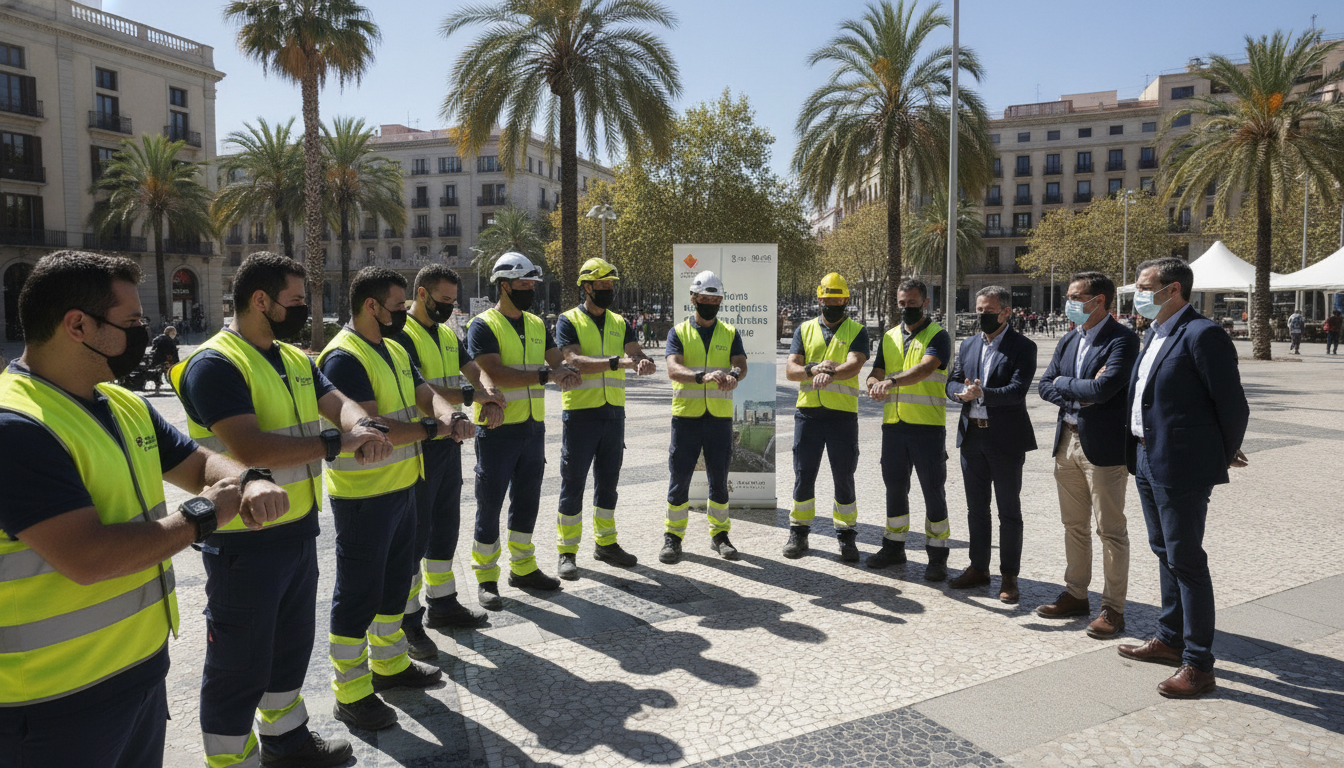
Barcelona has begun issuing heat-safety bracelets to staff who work outdoors, equipping roughly 1,400 municipal workers with wearable devices designed to monitor body temperature and provide an early warning when conditions become dangerous. The initiative, aimed at reducing heat-related illness among street cleaners, gardeners, lighting crews and waste teams, arrives as Spain confronts successive heat waves that have already driven a significant rise in excess deaths. City officials say the bracelets will be part of a broader adaptation strategy to protect workers exposed to extreme heat.
Barcelona issues 1,400 devices to outdoor crews
The municipal government distributed about 1,400 bracelets to employees whose duties place them outdoors for extended periods. Recipients include street-cleaning teams, park and garden staff, lighting maintenance crews and waste collection workers.
The rollout is targeted at roles with high exposure to heat and physical exertion, with the city prioritising personnel in direct contact with road surfaces and open sunlight during daytime shifts.
How the heat-safety bracelets operate
Each bracelet continuously measures the wearer’s body temperature and is programmed to trigger an audible alarm and vibration if readings indicate a risk of heat stress. When the device sounds, the protocol requires the worker to stop their task and seek shade or medical attention as appropriate.
The alert system is intended as an immediate safety measure rather than a replacement for managerial oversight or occupational-health policies. Devices record temperature trends that supervisors can use to adjust shift patterns and hydration breaks.
Officials link the step to climate adaptation
Pep Limona, coordinator of prevention at Barcelona’s parks and gardens department, framed the move as part of adapting municipal operations to a rapidly warming climate. City sources say the measure complements existing precautions such as altered work schedules, hydration guidance and shaded rest areas.
Municipal leaders stressed the bracelets are one element in a layered approach to worker safety, designed to reduce acute incidents and inform longer-term changes to how outdoor services are organised.
Context: recent heat-related deaths and changing work patterns
Spain has experienced multiple intense heat waves in recent weeks, with Reuters reporting more than 1,000 excess deaths above expected numbers in June alone. Authorities and unions have cited high temperatures as a contributing factor in several fatalities among outdoor workers in prior years, prompting changes to labour practices and safety rules.
Those past incidents have led employers and regulators across the country to reconsider shift timing, rest periods and protective measures for staff who perform physically demanding tasks in high temperatures.
Meteorological backdrop and near-term outlook
Spanish weather authorities described the past month as one of the hottest on record for June, placing additional pressure on public services and health systems. Forecasts at the time of the city’s announcement signalled a new heat episode beginning in the coming week, reinforcing the urgency of preventive measures for exposed workers.
Officials warned that successive heat events can compound health risks, as elevated baseline temperatures reduce the body’s capacity to recover between episodes and raise the likelihood of heat-related illness.
Labour groups and operational challenges
Trade unions and worker representatives have welcomed technological measures while urging comprehensive protections, including schedule adjustments, increased rest time and guaranteed access to cool spaces. Some representatives stressed that devices should not be used to shift responsibility onto workers alone but rather to prompt systemic changes that reduce exposure.
City managers acknowledged operational challenges such as ensuring spare devices, training staff on responses to alarms, and integrating bracelet data into health and safety protocols. Officials said monitoring and feedback from crews will guide any expansion of the programme.
Barcelona’s introduction of heat-safety bracelets reflects an emerging municipal approach to protecting outdoor workers as extreme heat becomes more frequent. City authorities indicated they will review device performance, worker feedback and health outcomes to determine whether the system should be scaled up or paired with additional measures such as earlier start times and extended hydration breaks.
