
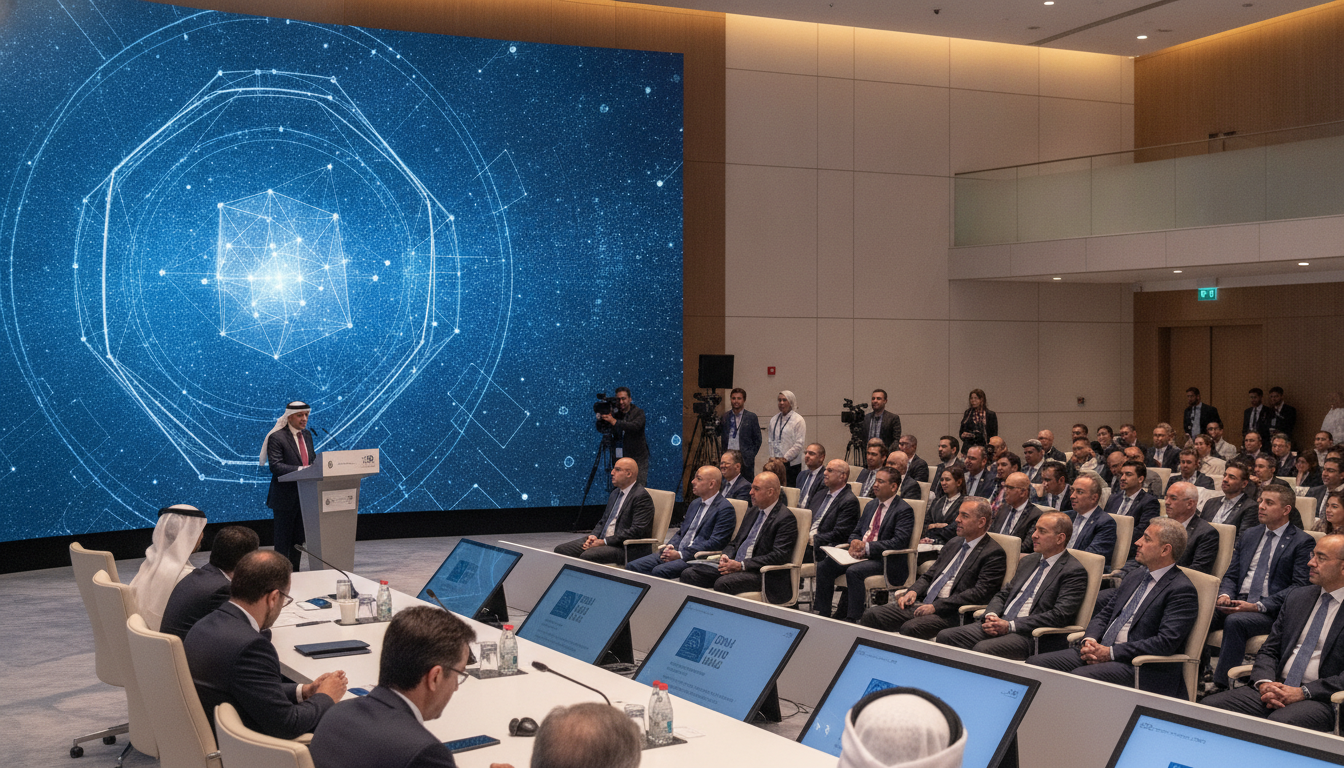
DEWA launches AI roadmap to embed artificial intelligence across electricity and water services
DEWA launches AI roadmap to embed artificial intelligence across electricity and water services, cutting processing times and bolstering Dubai’s smart city.
Dubai Electricity and Water Authority (DEWA) has unveiled an ambitious strategic roadmap to make artificial intelligence the operational backbone of its services, signaling a major push to transform electricity and water delivery across Dubai. The plan, announced by CEO Saeed Mohammed Al Tayer, positions DEWA to integrate AI across production, distribution, customer service and corporate operations to improve efficiency, resilience and customer experience. The move aligns with Dubai’s D33 economic agenda and the UAE’s national AI and climate commitments, reflecting a coordinated push to make future growth smarter and more sustainable. DEWA says the initiative already shows tangible results, including dramatic reductions in service processing times.
Roadmap aims to make DEWA a global AI-first utility
DEWA’s roadmap sets out to embed artificial intelligence into core operations rather than treating it as an add-on technology. The authority plans to use AI for generation and desalination optimisation, network management, predictive maintenance and real-time decision support. DEWA describes the ambition as creating the world’s first major utility whose primary service model is driven by AI-enabled systems and data analytics. Senior management frames this as a strategic shift from owning technology to converting data and tools into measurable value and improved public services.
Integration across generation, distribution and customer channels
Under the new plan, AI will touch every stage of the energy and water value chain, from production and transmission to distribution and customer engagement. Predictive analytics will guide asset management and preventive repairs, while machine learning models will optimise load balancing and water treatment processes. Digital channels will be enhanced with conversational AI to resolve queries and complete transactions more quickly and accurately. DEWA emphasizes the objective of moving from reactive service delivery to proactive, anticipatory operations that reduce downtime and conserve resources.
Rammas virtual assistant exceeds 13 million interactions
DEWA highlighted its longstanding investment in digital customer service, noting that its virtual employee “Rammas,” launched in 2017, has been progressively upgraded with generative AI capabilities. The platform, now augmented with advanced language models including GPT-4o-class technology, has handled more than 13 million customer inquiries without human intervention. DEWA says Rammas delivers faster, more precise responses by sourcing relevant information from the authority’s digital systems and learning from interactions to improve over time. Officials presented Rammas as a practical example of how AI can scale services while maintaining service quality.
Operational wins: deposit refunds cut to eight minutes
DEWA cited specific operational improvements that illustrate the potential impact of AI and digital integration on customer experience. One notable example is the reduction in the time to refund security deposits up to AED 4,000, which has been shortened from four days to just eight minutes. The authority attributes this improvement to automated verification, data integration and streamlined back-office workflows enabled by its digital platforms. DEWA argues that such gains not only increase customer satisfaction but also lower administrative costs and free staff to focus on higher-value tasks.
Policy, governance and workforce development priorities
DEWA stresses that technological adoption is supported by governance, secure infrastructure and workforce capability building. Executives said reliable data, clear governance frameworks and cybersecurity are prerequisites for scaling AI across critical energy and water systems. The authority is investing in staff training, innovation culture and tools that enable teams to apply AI responsibly and effectively. DEWA also points to alignment with wider national strategies — including the UAE Artificial Intelligence Strategy 2031 and climate neutrality targets for 2050 — as central to ensuring the technology advances both economic and sustainability goals.
Linking AI effort to Dubai’s economic and climate agendas
The AI initiative is presented as complementary to Dubai’s D33 economic agenda and broader UAE objectives on digital transformation and decarbonisation. DEWA noted that its AI deployment will support energy efficiency, resource optimisation and the transition to cleaner power sources outlined in Dubai’s Clean Energy Strategy 2050 and the UAE’s net-zero commitments. Officials argue that combining smart infrastructure with policy direction will help Dubai meet rising demand while protecting resources and enhancing quality of life for residents.
DEWA cautions that technology alone does not create smart, sustainable cities; the results depend on the policies that guide deployment, the institutions that manage systems and the people who apply tools to public service. The authority says its focus remains on responsibly scaling artificial intelligence so it amplifies human expertise, secures critical infrastructure and delivers measurable improvements in reliability and customer experience.
