
GCC Condemns Iranian Attacks on Bahrain, Kuwait and Jordan
GCC condemns Iranian drone and missile attacks on Bahrain, Kuwait and Jordan, pledging collective defence, air-defence readiness and urging accountability.
GCC Condemns Iranian Drone and Missile Attacks
The Gulf Cooperation Council’s ministerial council issued a strong denunciation after what it described as Iranian drone and ballistic missile attacks on Bahrain, Kuwait and Jordan. The council said the strikes constituted a blatant assault on the sovereignty and security of the targeted states and a clear violation of international law.
The statement, released following a meeting in Manama, framed the attacks as acts that undermine trust, widen divisions among peoples and close the channels of dialogue the council supports. Officials said such aggression cannot form the basis for future relations and warned it risks further isolation of the perpetrator.
Meeting Held in Manama
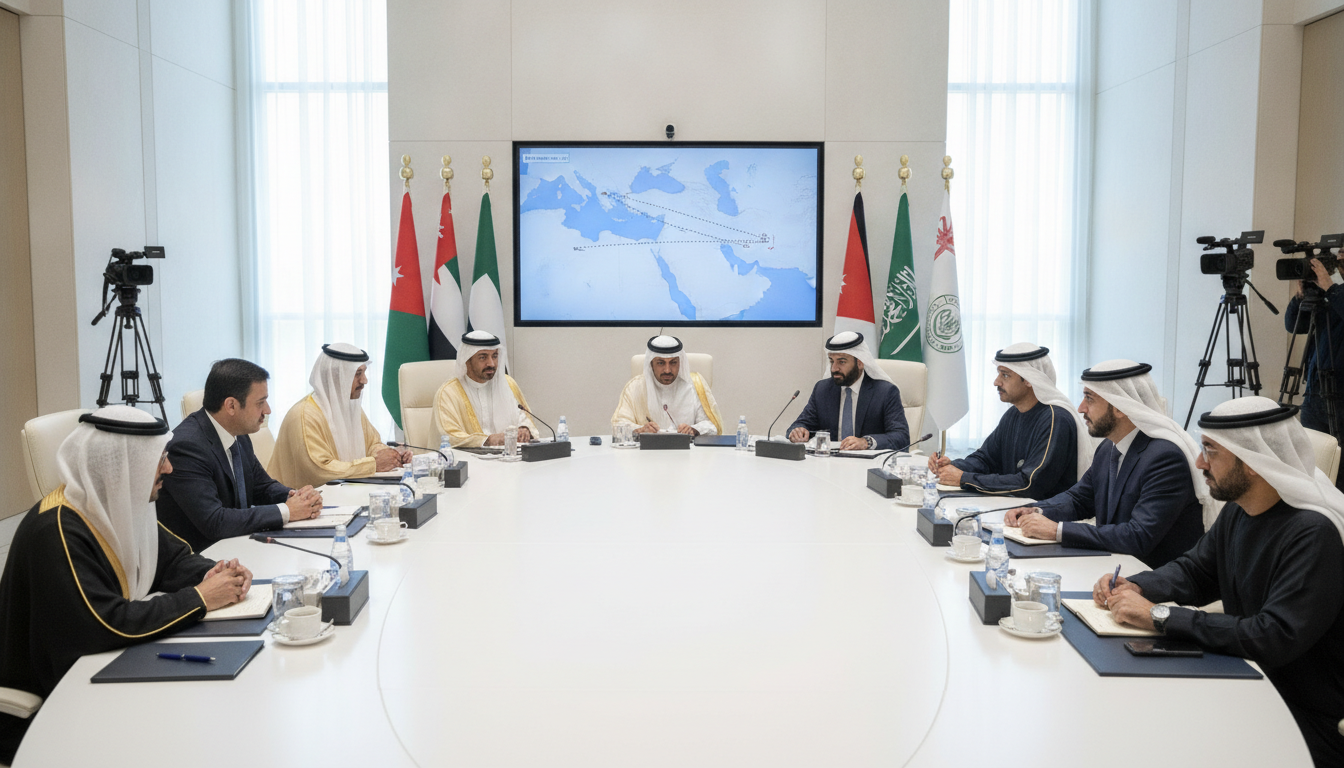
Ministers of the GCC convened in Manama, Bahrain, to assess the situation and coordinate a response to the attacks reported across the region. The meeting focused on immediate security assessments, diplomatic measures and the readiness of joint defence mechanisms.
Delegates emphasized that discussions were driven by shared concern for regional stability and the protection of civilians, and they agreed to maintain close coordination among member states. The council pledged to continue high-level consultations as events evolve.
Solidarity with Bahrain, Kuwait and Jordan
The council expressed full solidarity with the three states impacted by the strikes and described the security of GCC members as indivisible. It declared that any attack on one member is an attack on all, underscoring a collective posture of support and mutual defence.
Officials said this unity reflects longstanding commitments among member states to defend territorial integrity and the safety of their populations. Statements from the council reiterated political and moral backing while promising practical measures to assist affected countries.
Air-Defence and Joint Readiness
The GCC communiqué reassured citizens and residents that regional air-defence systems and joint defence capabilities are operating with high efficiency and readiness. Leaders highlighted that military and civil defence structures are prepared to intercept and mitigate similar threats.
The council also signaled that military leadership will continue to safeguard key infrastructure, commercial shipping lanes and energy supplies in coordination with national and regional forces. Members emphasized that robust defences are central to deterring further escalation and protecting regional economies.
Legal Basis for Self-Defence Cited
In its statement, the council reiterated member states’ lawful right to self-defence, explicitly citing Article 51 of the United Nations Charter as the basis for legitimate responses. The ministers affirmed that affected states may take measures, individually or collectively, to repel armed aggression in accordance with international law.
The declaration balanced the assertion of defensive rights with a call to avoid actions that could widen the conflict, stressing that any response must adhere to legal norms and proportionality. This dual emphasis sought to preserve both security and legal legitimacy in potential countermeasures.
Appeal to the UN and International Community
The GCC urged the United Nations Security Council and the wider international community to condemn the attacks and to hold those responsible to account. The council warned that the strikes have serious implications for regional security, international navigation and global energy supplies.
Ministers called for immediate cessation of hostilities and demanded that the aggressor cease any targeting of GCC states, their citizens and interests. They also invited countries seeking de-escalation to pursue diplomatic channels and dialogue as the path back to stability.
The council reiterated its commitment to peace, good-neighbourliness and diplomatic solutions, while posing a pointed question to the attacker about the feasibility of rebuilding future relations amid ongoing assaults. It warned that continued aggression would result only in greater isolation for those who persist in such a course.
Regional leaders emphasized that while they remain committed to diplomatic remedies, they will not hesitate to defend their territories and populations using all lawful means. The GCC pledged to keep communication lines open for those willing to pursue reconciliation and to maintain coordinated vigilance to prevent further attacks.
The ministers concluded their meeting with a united message: the security of the Gulf and its neighbours is a shared responsibility, and the council will pursue coordinated political, legal and defensive measures to protect that security while pressing for international action to deter future aggression.
