
Electric car discounts in Germany fall as retroactive subsidies begin
German automakers cut electric car discounts in May after retroactive state subsidies began, widening the purchase-price gap with comparable combustion-engine models.
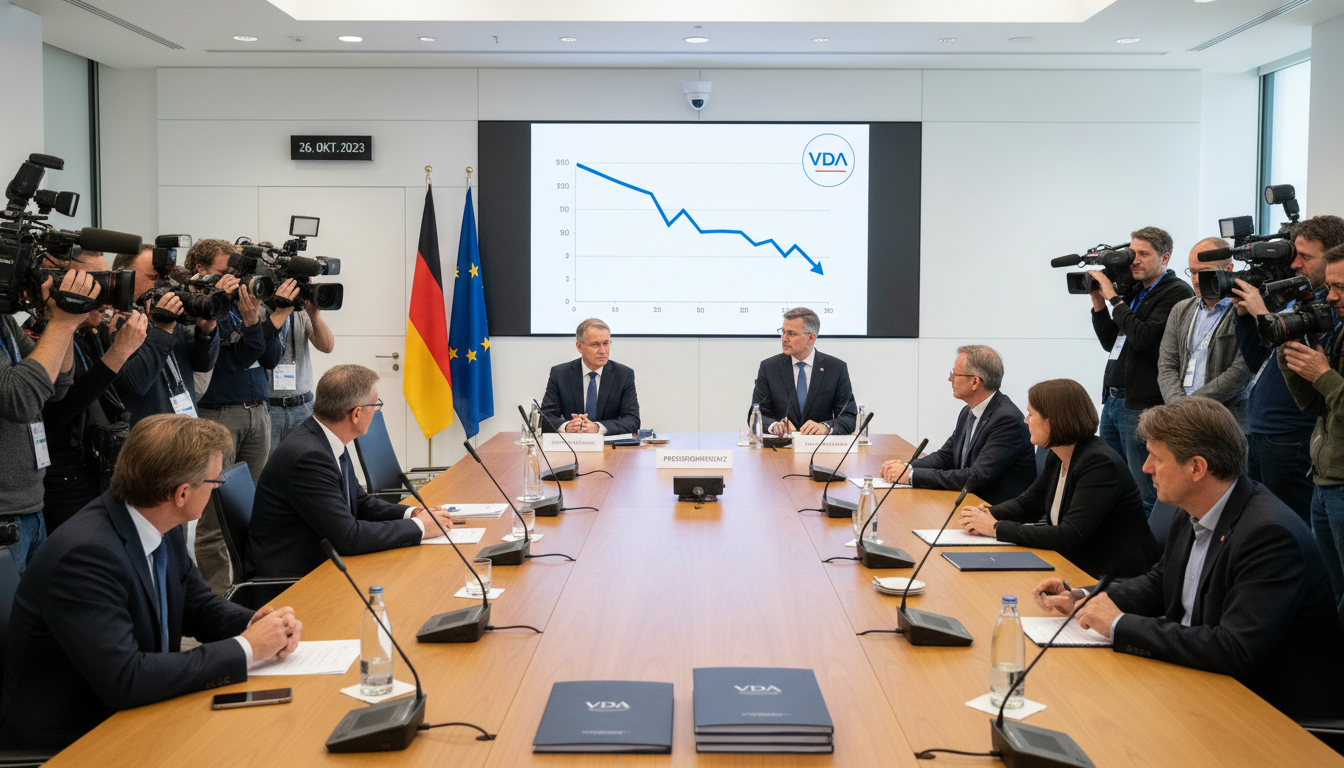
Germany’s leading automakers reduced electric car discounts in May, reversing an earlier trend of narrowing price differences with petrol and diesel vehicles, according to a monthly new-car market report from the Center for Automotive Research (CAR). The report links the reduction directly to the German government’s retroactive subsidy payments, which began in May for vehicles registered this year. Analysts say the move has pushed average purchase prices for electric vehicles higher relative to comparable internal-combustion models before the subsidy is applied.
Manufacturers scale back discounting as subsidies start
CAR’s monthly analysis shows manufacturers trimmed back the rebates they had been offering on battery-electric vehicles, reflecting a rapid market reaction once the state began paying support. Ferdinand Dudenhöffer, who prepared the study, described the pattern as automakers “testing the market,” adjusting incentives now that a government safety net is available. The change halted a prior narrowing of the effective price gap between electric and combustion models.
New sales data for the 20 best-selling electric models indicate an overall decline in average discounts, suggesting automakers are recalibrating gross prices while leaving net price dynamics tied to subsidy uptake. CAR’s figures exclude the government grant itself, meaning advertised prices and manufacturer discounts are being used as the primary measures of market shifts.
Statistical shift: discounts and the uncovered price gap
According to CAR, the mean discount on the top-selling electric models fell from 19.5% in January to 18.6% in May. When comparing transaction prices before public support, battery-electric cars are now, on average, €1,971 more expensive to buy than comparable internal-combustion vehicles. Those comparisons deliberately omit the state subsidy to show manufacturers’ raw pricing decisions.
The data suggest that headline discounts have been trimmed enough to reopen a price differential that had been steadily shrinking earlier in the year. Market watchers note that once subsidies are applied at point of sale or reimbursed to eligible buyers, the net cost picture may narrow again, but current manufacturer behavior demonstrates an immediate response to the subsidy’s existence.
Small electric models show the largest discount reductions
CAR’s report highlights that the steepest declines in manufacturer discounts occurred among smaller electric models, which are most likely to appeal to families and private buyers eligible for state support. These compact EVs had previously been used as volume drivers for incentive-led demand, making them a logical target for discount adjustments. Dealers and brands appear to be selectively reducing concessions where buyer eligibility for grants is highest.
The pattern implies a strategic focus on capturing margin from buyer segments that can claim government aid, rather than uniformly raising prices across all battery-electric segments. Industry observers caution that this selective tightening could influence purchase choices among budget-conscious households weighing subsidy eligibility against list price.
Scope and conditions of the government subsidy program
The German subsidy program applies retroactively from May to electric cars registered during 2026 and covers purchases and leases of new battery-electric vehicles. It also includes some plug-in hybrids that can be charged externally and electric vehicles equipped with range-extender systems designed to increase driving distance. The support is restricted to private buyers and does not extend to company registrations.
Eligibility rules limit household income to a maximum of €80,000 and scale the payment amount according to vehicle type and family size. The subsidy values range between €1,500 and €6,000 per eligible vehicle, and program funding is projected to be sufficient to support up to 800,000 private car registrations under the scheme.
Market response and manufacturer strategy ahead
Automakers’ decision to narrow discounts can be read as a tactical response to a changed incentive environment: with state aid offsetting part of buyers’ outlay, brands may be testing tolerance for smaller manufacturer rebates. Dudenhöffer’s assessment that manufacturers are “testing the market” signals an expectation of iterative pricing adjustments as real-world uptake data and subsidy redemption rates become available.
Car makers could reverse course and temporarily restore larger discounts if sales soften once subsidies are fully accounted for by consumers, or they may maintain tighter concessions to protect margins while the state program reduces buyer resistance to higher sticker prices. The short-term moves are likely to ripple through dealer negotiations and promotional frameworks.
Advice for prospective buyers and outlook for uptake
Buyers considering an electric vehicle in Germany should assess the net cost after applying the government subsidy and ensure their registration and household circumstances meet the eligibility criteria. Because CAR’s discount figures exclude the state grant, comparing advertised price reductions alone may give a misleading view of actual out-of-pocket expense after subsidy reimbursement.
Looking ahead, the combined effect of manufacturer pricing strategies and the state subsidy will determine whether the policy successfully accelerates EV adoption among private households. If subsidies are fully claimed and manufacturers moderate discounting, the market may see a shift in how price competitiveness between electric and combustion models is communicated to consumers.
As the subsidy program unfolds and redemption patterns become clearer, automakers and dealers will likely fine-tune their offers and marketing tactics, while buyers will need to calculate final costs after grant eligibility to make informed purchase decisions.
