
Greece Announces Stricter Electric Scooter Rules After Fatal Crashes Involving Minors
Greece plans tighter electric scooter rules after fatal crashes involving minors, proposing an under-18 ban, mandatory insurance and tougher fines nationwide.
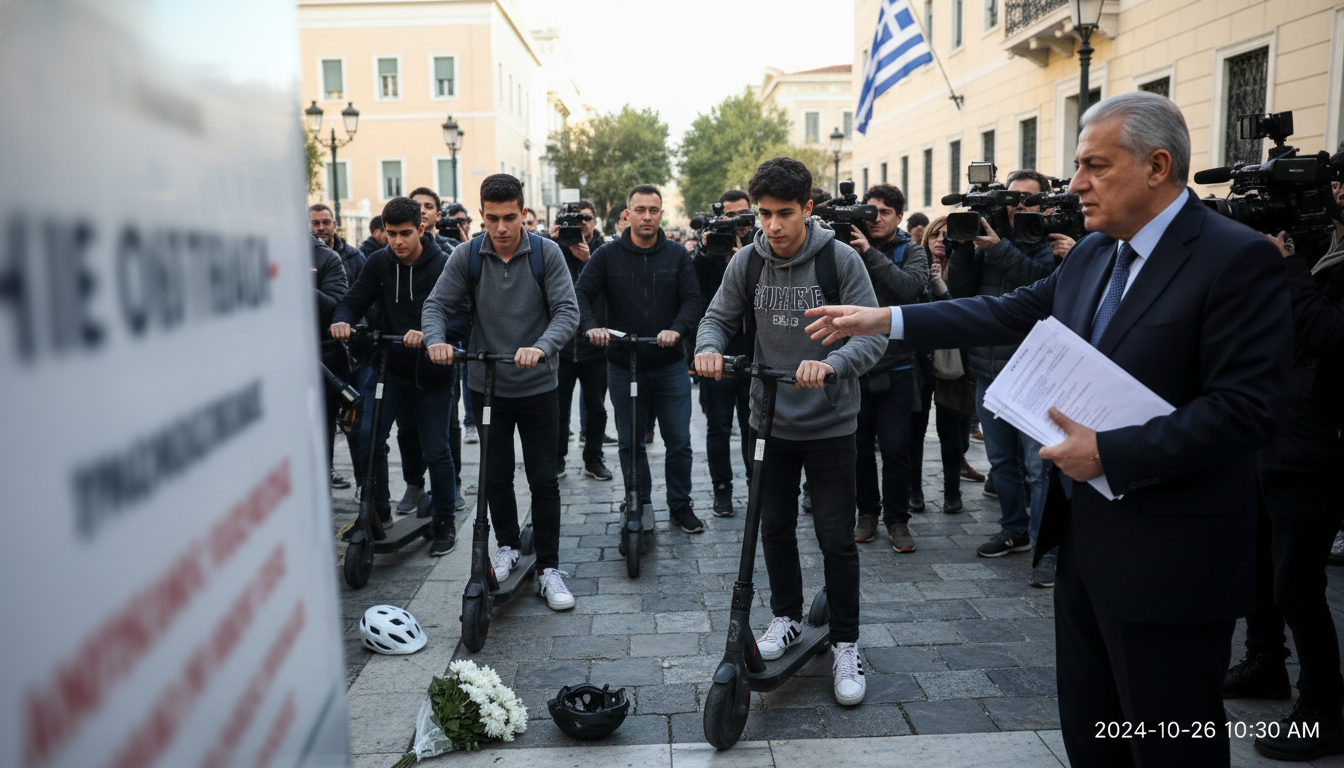
Greece is moving to tighten regulations for electric scooters following a string of deadly incidents that included the death of a 13-year-old in Ilia and a serious collision involving a 12-year-old in Aspropyrgos. The transport ministry is considering measures that would ban riders under 18, require insurance for adult riders and impose steeper penalties on users and operators. The proposals, reported by Kathimerini, reflect growing concern among officials about public safety and the rapid spread of shared and privately owned scooters in urban areas.
Government Proposal Targets Under-18 Riders
The draft measures under review would prohibit anyone under 18 from operating an electric scooter on public roads and pavements. Officials argue the age restriction is necessary after several high-profile incidents involving children. Lawmakers and transport officials are framing the ban as a priority for reducing casualties among minors.
Mandatory Insurance and Stricter Liability Rules
Another central element of the plan is mandatory liability insurance for electric scooter riders aged 18 and over. Regulators intend to create clearer lines of responsibility in collisions, aiming to make compensation easier for victims. The proposals also contemplate higher fines for riders who flout safety rules and for companies that fail to ensure their fleets meet technical and operational standards.
Fatal Incidents That Prompted Action
Recent collisions that included a fatality of a 13-year-old in Ilia and a severe crash injuring a 12-year-old in Aspropyrgos are cited by officials as the immediate catalyst. Authorities say the pattern of incidents underlines weaknesses in the current regulatory framework and the need for faster enforcement. Local hospitals and police investigations have flagged concerns about unlicensed young riders and improperly parked or malfunctioning scooters.
Deputy Minister to Present New Law Soon
Deputy Transport Minister Konstantinos Kyranakis is expected to present a draft law to parliament in the coming weeks, according to the ministry’s outline. The proposed timetable aims to move quickly from consultation to legislation amid public pressure and media scrutiny. Officials have indicated the draft will include specific technical standards as well as enforcement mechanisms for municipal and national authorities.
Officials Stress Safety Standards and Public Compensation
Minister of Citizen Protection Michalis Chrysochoidis told reporters that electric scooters must meet “an acceptable level of safety,” and he described restricting use by minors as a top priority. He also raised questions about compensation for victims in the event of collisions, emphasizing the need for insurance and clearer liability rules. Government statements have framed the policy shift as balancing mobility benefits with predictable protection for pedestrians and road users.
Impact on Operators, Municipalities and Riders
If adopted, the rules would create additional compliance costs for scooter operators, including obligations for fleet maintenance and user verification systems to prevent underage access. Municipalities may be authorized to regulate parking zones, speed limits and designated scooter lanes to reduce sidewalk conflicts with pedestrians. Consumer advocates and industry groups will likely be engaged in consultations to refine technical standards and implementation timelines.
The government’s move reflects a broader European debate about how to integrate new mobility devices into cities while protecting vulnerable road users. As lawmakers prepare the draft law, officials say they will consult police, transport experts and municipal leaders to shape practical enforcement and public education measures. The coming weeks are expected to determine how quickly the proposals will translate into enforceable rules that aim to reduce injuries and fatalities linked to electric scooters.
