
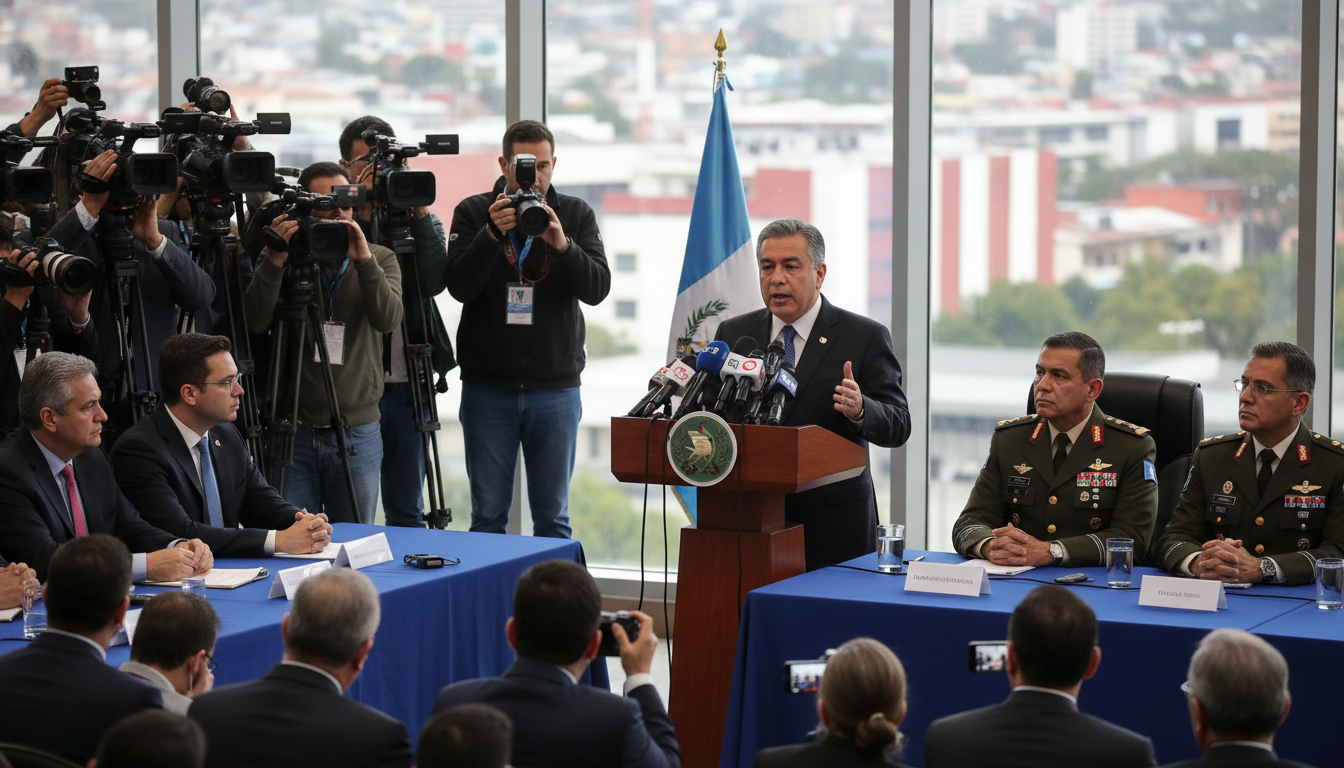
Guatemala denies approval for US strikes amid security cooperation talks
Guatemala denies approval for US strikes, saying it sought security cooperation but did not authorize foreign military operations on its soil.
President Bernardo Arevalo’s government on Thursday publicly rejected reports that it had agreed to allow United States strikes against drug traffickers, while confirming formal requests for cooperative security assistance. The statement, issued after press reports citing unnamed sources, emphasized that any engagement with Washington would be conducted under Guatemala’s command and within existing legal frameworks. Guatemala US strikes was the central claim disowned by the presidency, which underlined that no agreement authorises foreign military operations inside national territory.
Guatemalan Government Rejects Foreign Strike Claims
The presidency stated there is “no agreement authorising foreign military operations by any country within national territory,” directly countering a report that suggested the United States had been given leeway to conduct strikes. The denial came alongside a public release of correspondence from Defence Minister Henry Saenz to his US counterpart, which the government said clarifies the nature of the cooperation sought. Officials framed the communication as a request for assistance in Guatemala-led operations rather than an invitation for unilateral US action.
Defence Minister’s Letter Frames Cooperation as Guatemala-Led
A note attached to the government’s statement quoted Defence Minister Saenz as indicating that Guatemala “desires to lead, with US assistance, active military operations” against groups Washington designates as terrorist organisations. The document, dated May 28, was presented by the presidency to rebut the earlier media account and to underline that any operations would be conducted under bilateral agreements and Guatemalan legal requirements. Saenz’s wording, the government said, seeks partner support for operations that remain under Guatemala’s authority and oversight.
Media Report Prompted Rapid Official Response
The government’s rebuttal appears to have been triggered by a newspaper report published earlier the same day that cited two unidentified sources claiming President Arevalo had agreed to US military action. Guatemalan officials moved quickly to publish the Saenz letter and a formal presidential statement to clarify the country’s position. The swift release suggests the administration was eager to allay domestic and regional concerns about sovereignty and to present the cooperation as controlled and reciprocal.
Context: US Regional Operations and Rights Concerns
The dispute comes against a backdrop of heightened US operations targeting drug trafficking in the region, which human rights advocates have criticized for their scale and legal implications. In recent years, US forces have increased aerial and maritime operations aimed at intercepting suspected drug shipments, prompting debate about accountability and civilian risk. Such operations have intensified sensitivity among Latin American governments about any appearance of foreign military action on their soil, even when framed as cooperative efforts.
Domestic Security Challenges Driving Cooperation Requests
Guatemala has faced escalating violence tied to organised crime and drug trafficking, prompting President Arevalo’s administration to seek intensified security measures. Earlier this year, Arevalo declared a state of emergency after suspected gang attacks resulted in the deaths of multiple police officers, heightening pressure on the government to deliver rapid security improvements. Officials say enhanced intelligence sharing, training, and logistical assistance from partners like the United States are seen as necessary to strengthen Guatemala’s capacity to lead complex operations against transnational criminal groups.
Regional Leaders Cautious About Foreign Military Presence
Across Central and South America, leaders have shown a pattern of welcoming intelligence and law-enforcement cooperation while rejecting permanent or overt foreign military footprints. Historical sensitivities about sovereignty and intervention mean that many governments prefer assistance that bolsters national command and control rather than foreign-led kinetic action. Guatemalan officials highlighted this distinction in their statement, underscoring constitutional and legal limits on external military activities and asserting that any cooperation will adhere to those safeguards.
The Arevalo administration’s public clarification is likely to shape the next phase of US-Guatemala engagement, forcing both capitals to manage messaging carefully as they negotiate the scope of assistance. Guatemala’s insistence on leading operations, combined with the quick publication of Saenz’s letter, signals a desire to retain control over domestic security policy while leveraging foreign expertise against organised crime. The incident also underscores how sensitive cooperation is politically, and how easily reports of foreign military involvement can provoke domestic unease and regional scrutiny.
