
Iceland EU membership debate intensifies as Reykjavik prepares August referendum on opening talks
Iceland EU membership debate intensifies ahead of an August referendum as Reykjavik weighs security ties, fisheries control and Arctic geopolitics in region.
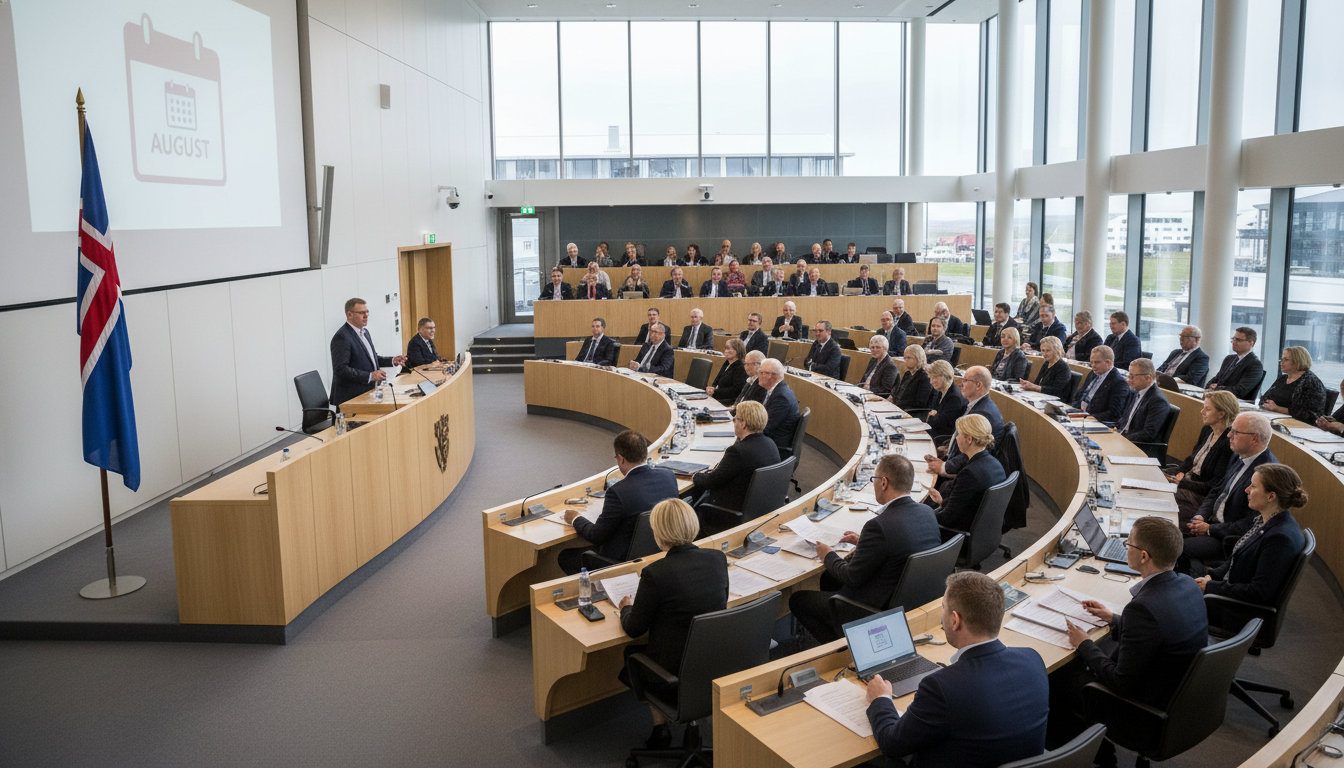
Iceland is moving toward a referendum as soon as August on whether to open formal negotiations with the European Union, marking a significant shift in Reykjavik’s long-standing ambivalence toward the bloc. The question of Iceland EU membership has surged to the centre of political debate amid concerns over security guarantees, control of fisheries and the strategic value of the North Atlantic. If voters approve talks, a lengthy negotiation phase would follow and any eventual accession would require a second ratifying vote.
Referendum timetable and legal process
Parliament has set a timetable that could see Icelanders vote on whether to begin EU accession talks in August, officials say. A “yes” in that referendum would not immediately make Iceland an EU member, but would authorise formal negotiations that typically last years and end with a final public ratification vote.
The path to membership would involve complex bargaining over exceptions and transitional arrangements, particularly on fisheries and regulatory alignment. Iceland’s small population means domestic debate and stakeholder consultations are likely to be intense throughout the negotiating period.
Security concerns driving public debate
Security considerations have been elevated as a central reason many Icelanders are reconsidering their relationship with the EU. Iceland has no standing military and has historically relied on NATO and a bilateral defence arrangement with the United States for protection.
Statements from Reykjavik’s leadership and analysts have linked recent shifts in U.S. policy rhetoric to growing unease about the stability of transatlantic security guarantees. Prime Minister Kristrun Frostadottir said the so-called Greenland episode “definitely hit a nerve,” reflecting how perceived U.S. unpredictability has fed calls to seek broader European security ties.
New security agreements and EU engagement
Reykjavik recently signed a security and defence partnership with the European Union, signalling increased cooperation on contingency planning and maritime surveillance. While the EU is not a military alliance, officials in Brussels and Reykjavik have discussed clauses in the EU treaty that could enhance mutual assistance in crises.
For advocates of membership, being inside the EU’s institutions offers more political leverage and access to collective security mechanisms than remaining an external partner. Opponents caution that such arrangements cannot instantly replace NATO’s role and warn against overpromising what EU membership can deliver on defence.
Fisheries, economy and public resistance
Fisheries remain the most sensitive economic and political issue in the Iceland EU membership debate. Fish stocks and quota systems underpin communities and livelihoods across the country, and many fishermen fear that EU accession would transfer too much control to Brussels.
Beyond fisheries, Iceland’s economy is diversified and affluent, boosted by tourism and high social indicators. Supporters argue the country already complies with many EU standards and could gain market certainty and diplomatic weight. Skeptics counter that EU rules designed for continental economies might not fit Iceland’s unique needs.
Strategic importance in the Arctic
Iceland’s geographic position at the gateway to the Arctic gives it strategic value to any European bloc focused on northern routes and resources. The island’s monitoring capabilities, maritime jurisdiction and airspace make it attractive to partners seeking influence in the High North.
As climate change opens new shipping lanes and resource opportunities, both the EU and other major powers have increased interest in Arctic partnerships. Reykjavik’s potential membership would extend the EU’s footprint in a region where geopolitical competition is sharpening.
Nordic regional shifts and precedent
Iceland’s debate echoes wider realignments across the Nordic countries since Russia’s full-scale invasion of Ukraine in 2022. Sweden and Finland abandoned long-held nonalignment to join NATO, and other small North Atlantic jurisdictions have reconsidered ties with former colonial partners and external allies.
Recent political moves in Greenland, the Faroe Islands and Norway illustrate a broader pattern: wealthy, small nations are recalibrating alliances in response to perceived global instability. Iceland’s choice will be watched closely in capitals across the region for signals about how tiny states balance sovereignty, security and economic priorities.
The immediate next stage is the August referendum that will decide whether Reykjavik is authorised to start formal accession talks with the EU. Public opinion polls show a divided electorate, and key stakeholders such as fishing communities, farmers and business groups are mobilising to influence the outcome. Whatever the result, the debate has already shifted Iceland’s foreign-policy conversation and underscored how strategic anxieties can redraw long-standing lines between Europe and its northern neighbours.
