
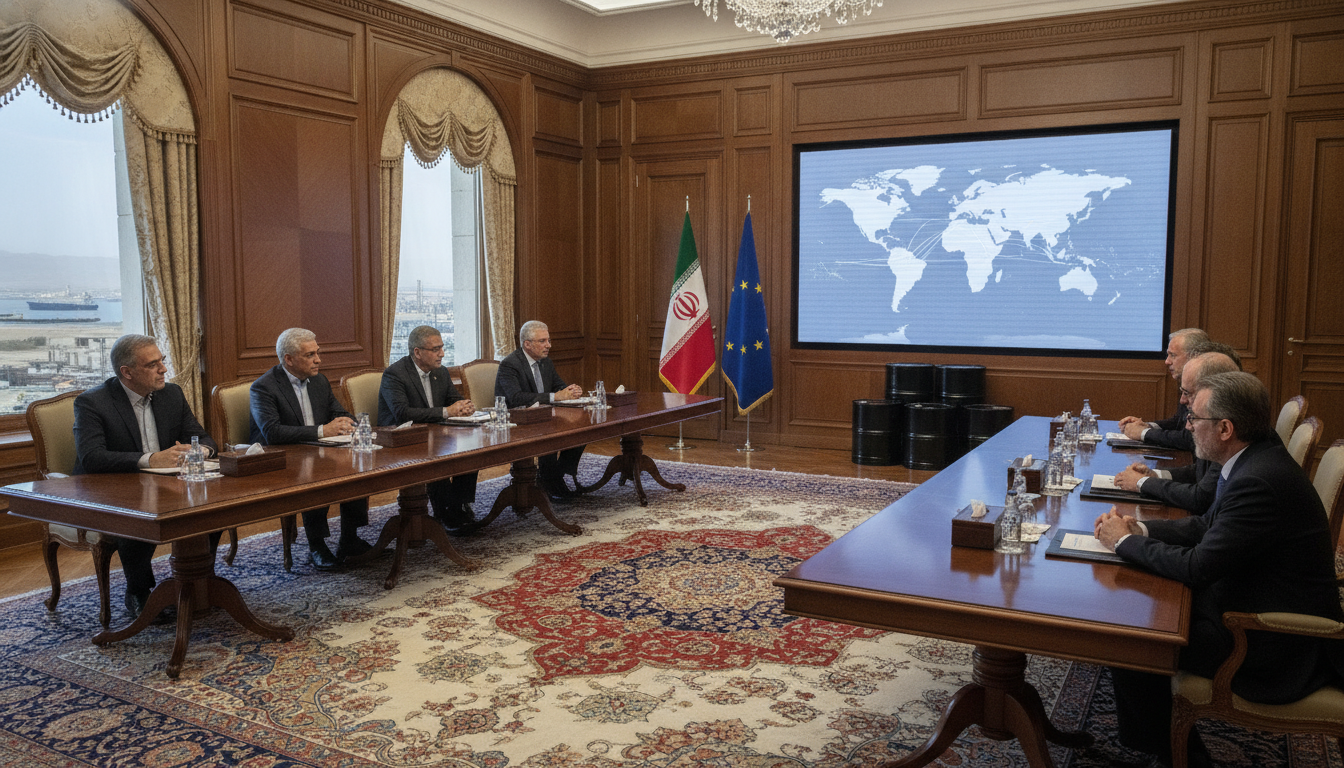
Strait of Hormuz closure persists as Iran–US mediated talks pause military strikes
Mediated Iran–US talks have paused direct military strikes, but the closure of the Strait of Hormuz and related maritime disruptions continue to squeeze oil exports and deepen Iran’s economic strains.
The brief diplomatic lull followed a memorandum of understanding signed on June 17 that temporarily eased pressure on shipping lanes, yet commercial traffic remains highly constrained as regional and extra-regional actors press their maritime campaigns. Iran’s Petroleum Ministry reported significant sales amid the fighting, while the US Central Command has enforced a renewed blockade on southern Iranian ports, intensifying tensions at sea.
Diplomatic pause and negotiated openings
The June 17 memorandum led to limited reopening measures that allowed some oil stored on supertankers to leave Iranian waters and relieved short-term pressure on markets. Senior Iranian and US officials are now engaged in mediated discussions that have, for the moment, restrained large-scale aerial strikes and retaliatory operations.
Despite the talks, both sides have kept leverage in place: the US has reimposed a naval interdiction of southern ports, and Tehran continues to assert control over maritime movements through frequent ship redirections. Oman has been cited in diplomatic exchanges about restoring wider transit through the Strait of Hormuz, underscoring Gulf states’ role as intermediaries.
Oil exports, revenues and budgetary implications
Iran’s Ministry of Petroleum said it sold roughly $11.5 billion in crude during the war period and an additional $6.5 billion under the June memorandum, figures it framed as covering a substantial portion of the budgeted oil revenue target. The ministry also attributed higher oil prices in the first half of the year to several billion dollars in added value transferred to state coffers despite international embargoes.
A renewed or prolonged blockade could sharply reduce export volumes again and strain storage and export hubs such as Kharg Island, which handles the bulk of Iran’s crude shipments. Disruptions to exports would not only hit state revenues but could also increase costs and delays across the broader petrochemical supply chain.
US naval enforcement and interdiction actions
CENTCOM reported active enforcement measures against vessels attempting to breach the blockade, saying dozens of commercial ships were redirected and some were disabled or boarded to ensure compliance. The US released footage showing heavily armed personnel conducting a helicopter-based boarding of an Iran-linked tanker sanctioned for alleged shadow fleet activities.
Washington’s enforcement posture has included targeting vessels accused of operating within sanctionable networks, and officials say such operations aim to curb illicit shipments. The presence of multinational and US naval assets in and around the Gulf has elevated the risk of confrontations with both state and non-state actors operating in the area.
Domestic infrastructure damage and energy shortfalls
Iranian authorities say the campaign of strikes by US and Israeli forces has damaged critical energy infrastructure, cutting significant volumes from the country’s pre-war natural gas output. Officials estimate hundreds of millions of cubic metres per day of gas production were lost, with plans to restore a portion of that output over coming months.
The fuel market is under acute strain; authorities report a daily petrol shortfall measured in millions of litres, which has been patched by costly imports, blending measures and tapping pre-war stocks. Tehran has warned that it could tighten monthly fuel quotas or raise the price of higher-tier petrol allocations if deficits persist, a politically sensitive move given recent unrest.
Regional escalation: Bab al-Mandeb to the Caspian Sea
The conflict’s maritime fallout has spread beyond the Gulf, with Iran-aligned Houthi forces in Yemen declaring operations in the Red Sea and near Bab al-Mandeb that have affected Saudi-bound and commercial shipping. Riyadh has responded with significant air strikes in Yemen, while insurers and charterers have imposed higher premiums for vessels transiting these waters.
Northern waters are now implicated as well after Ukraine struck a ship in the Caspian Sea that Tehran described as a commercial carrier; the attack killed and wounded crew members and prompted a diplomatic protest to Kyiv. The incident has heightened fears that the Caspian — historically a safe commercial route — could see further military episodes, imperilling staples and industrial imports that travel that corridor.
Trade with China and social consequences at home
China, Iran’s largest trading partner and crude buyer, has curtailed oil purchases in response to the maritime environment, and non-oil trade volumes with Beijing fell sharply in key months compared with a year earlier. Two near-total domestic internet blackouts during protest and wartime periods further exacerbated business disruptions and eroded consumer purchasing power amid rising inflation.
Domestic research affiliated with Iran’s pension system indicates a marked rise in poverty rates over recent years, accelerations that the conflict and sanctions have intensified. Rolling electricity cuts, water and communications interruptions, and the prospect of higher petrol prices present immediate social and economic challenges for a population already coping with diminished living standards.
The diplomatic window created by resumed mediation has eased some immediate pressures, but the closure of the Strait of Hormuz, tighter naval interdictions, and widening maritime conflict continue to pose acute risks to global energy flows and Iran’s fragile economy.
