
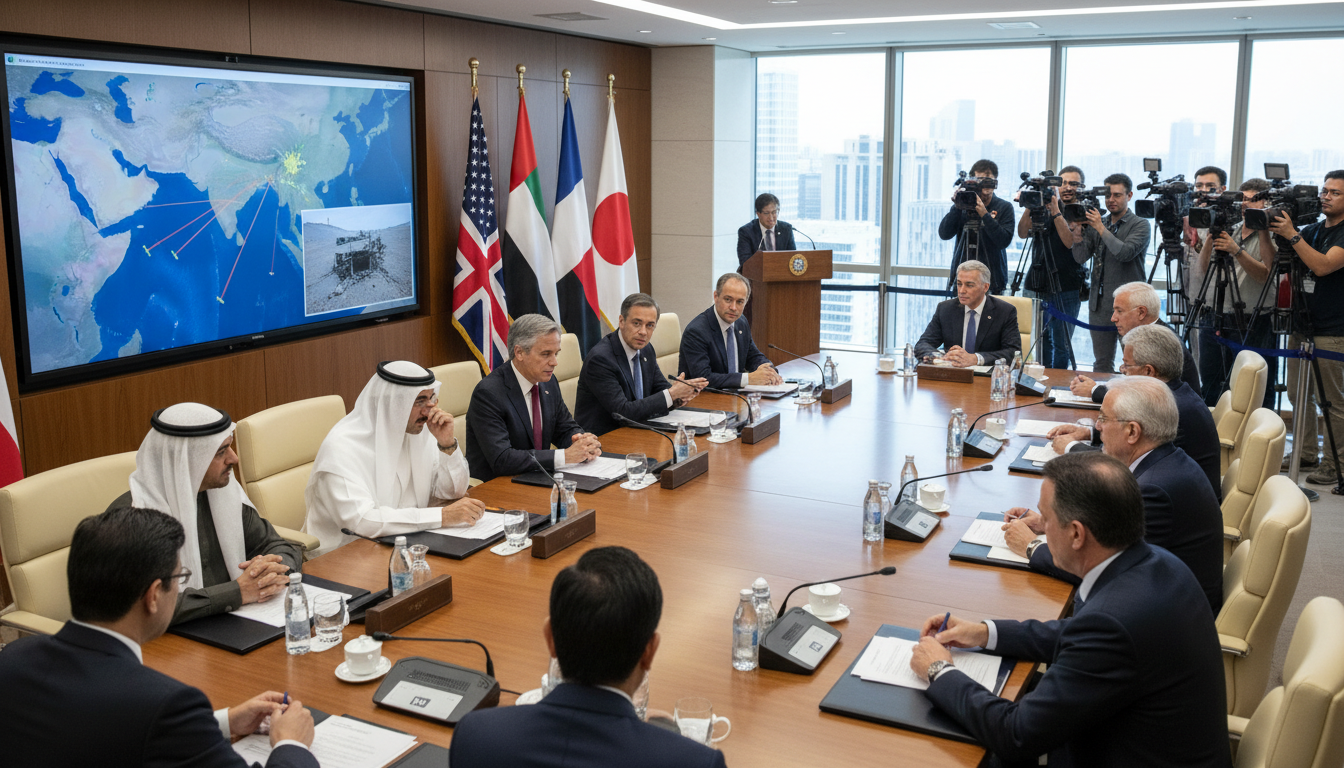
Iranian attacks on the UAE trigger sweeping global condemnation and diplomatic pushback
Iranian attacks on the UAE spark international condemnation as regional and global partners weigh diplomatic and security measures to protect Gulf stability.
The Iranian attacks on the UAE, which struck civilian infrastructure in a recent escalation, have provoked an unprecedented wave of international condemnation and diplomatic responses. Governments and regional organizations described the strikes as a serious threat to both regional stability and the security of critical maritime routes. The unified rebukes place heavy political pressure on Tehran and signal that many states will consider policy and security adjustments in response.
Widespread International Condemnation
Many countries publicly denounced the attacks and demanded accountability from Iran for what they described as violations of international norms. Statements of condemnation came from a broad cross-section of nations, ranging from European Union members to independent states in Asia, Africa and the Americas. The language used by these capitals framed the strikes as a direct challenge to the rules that protect civilian infrastructure and international peace.
Global bodies and regional groupings also registered concern, underscoring the potential for the incident to destabilize wider diplomatic and economic ties. Multiple governments warned that continued hostile actions would carry consequences, including diplomatic review and possible economic or security measures. The scale of responses reflects how the incident has elevated concern beyond immediate regional actors.
Gulf and Arab Capitals Unite in Rebuke
Across the Gulf and the Arab world, governments conveyed clear solidarity with the United Arab Emirates and condemned the use of force against civilian targets. Member states of the Gulf Cooperation Council, as well as the Arab League, issued coordinated statements calling for restraint and for steps to prevent further escalation. Several neighbouring countries emphasized that the attack undermined collective security and regional cooperation.
Individual states — including Bahrain, Kuwait, Qatar, Saudi Arabia, Jordan and Egypt — reaffirmed support for the UAE and held Tehran responsible for the deterioration of security. Regional actors also urged international partners to assist in restoring calm and safeguarding the sovereignty of states in the Gulf. This alignment highlights a rare diplomatic unanimity in the face of a security incident affecting a Gulf state.
European and Global Partners Issue Strong Statements
European institutions and a wide group of allied nations condemned the assault, with public remarks from the European Union and numerous member states. Countries spanning Central and Western Europe, along with democracies in Asia and Oceania, expressed grave concern and called for de-escalation. The breadth of these responses indicates that the incident resonated well beyond the immediate theatre of operations.
Other states outside the Euro-Atlantic sphere, including nations in South Asia, Africa and the Pacific, also issued formal rebukes and expressions of solidarity with the UAE. Collectively, these international reactions create diplomatic momentum for coordinated responses, whether through multilateral channels or bilateral pressure. Officials signalled that continuity of international norms must be preserved to prevent similar strikes against civilian infrastructure.
Capitals Signal Possible Policy and Security Responses
Several governments warned they were reviewing their bilateral and multilateral positions in light of the attacks and weighing policy options to counter further destabilizing actions. Suggested measures under consideration include enhanced diplomatic isolation, economic sanctions, targeted penalties, and strengthened security cooperation with affected partners. These options reflect a mix of diplomatic, economic and defence tools that states can deploy short of open military confrontation.
Military and naval coordination to protect critical shipping lanes was raised as a likely area for immediate focus, while diplomatic channels were expected to remain active to reduce the risk of further escalation. Analysts note that any movement toward coordinated sanctions or security operations would require careful calibration to avoid unintended consequences for regional trade and energy markets.
Concerns Over Maritime Security and Navigation
A central worry among responding capitals is the potential impact on freedom of navigation through vital sea routes, particularly the Strait of Hormuz and adjacent waters. The strikes renewed fears that attacks on infrastructure could disrupt global shipping and energy supplies, prompting calls for measures to protect commercial vessels. International trading partners underscored the need to keep maritime routes open and secure to prevent wider economic fallout.
Maritime security experts and regional authorities emphasised the economic stakes, noting that any sustained threat to navigation would quickly affect insurance costs, shipping schedules and the global energy market. In response, affected states are expected to coordinate more closely on surveillance, convoy protection and information-sharing to reduce the risk to civilian mariners and commercial traffic.
Diplomatic Pressure Aimed Directly at Tehran
The cumulative diplomatic barrage reflects a concerted effort to hold Iran to account politically while avoiding a further military spiral. Governments used public statements to shift responsibility onto Tehran and to call for a halt to actions that imperil neighbouring states. Regional and international actors alike indicated that they would explore all available diplomatic and legal avenues to deter future strikes.
At the same time, diplomatic channels remain open as many states seek to lower tensions and restore stability through negotiation and multilateral engagement. Officials have underscored the importance of near-term de-escalation while signalling that sustained or repeated attacks would prompt firmer collective measures.
The international backlash to the attacks on the UAE has made clear that the incident will dominate diplomatic agendas across the Gulf and beyond in the coming days and weeks.
