
Israeli strikes in eastern Lebanon expand to Bekaa amid ceasefire tensions
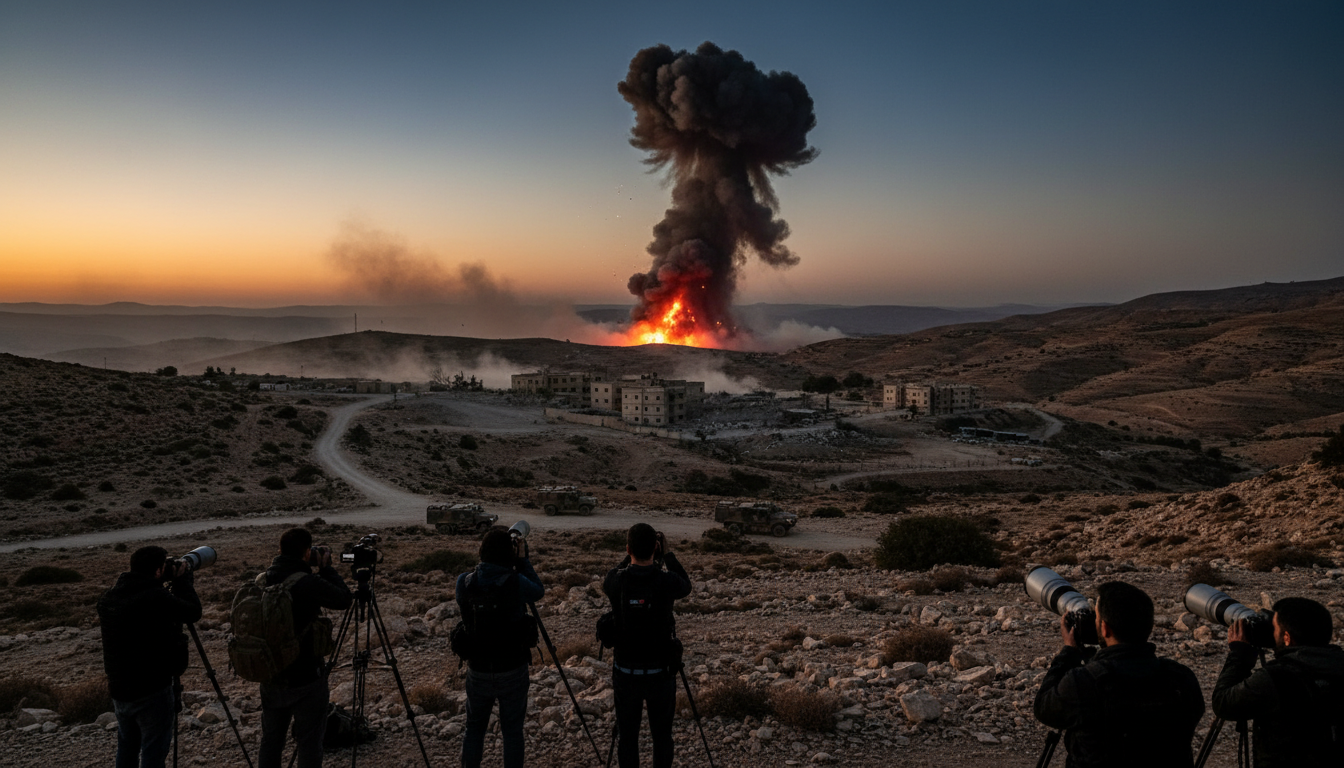
Israeli strikes in eastern Lebanon expanded to the Bekaa plain on Monday, April 27, 2026, as exchanges with Hezbollah continued despite a U.S.-mediated ceasefire.
The Israeli military launched air raids on eastern Lebanon on Monday, widening an aerial campaign that had largely been restrained since a U.S.-brokered ceasefire took effect on April 16.
The strikes marked the first reported targeting of the Bekaa plain since the truce, signaling that hostilities between Israeli forces and Lebanese Hezbollah have not ceased completely.
Israeli airstrikes hit Bekaa plain
Israeli forces said they struck Hezbollah infrastructure in the Bekaa region and carried out further strikes in southern Lebanon.
Local security sources reported that raids took place near the town of Nabi Sheet, close to the Lebanese-Syrian border, without immediate confirmation of casualties.
The expansion into the Bekaa represented a significant geographic broadening of Israeli operations that had been concentrated along the south of Lebanon.
Officials framed the strikes as precision attacks on what they described as military infrastructure used by Hezbollah.
Operations persist across southern Lebanon
Israeli aircraft continued to strike targets across southern Lebanon while ground forces maintain control of a narrow security strip inside Lebanese territory.
The military said it had destroyed houses and structures it assessed were being used as part of Hezbollah’s operational infrastructure.
Local reports indicated several air raids across the south and at least three people were wounded, according to Lebanon’s national news agency.
Humanitarian and municipal officials in affected towns described damage to residences and public infrastructure amid ongoing security operations.
Targets, damage and casualty reports
Lebanese state media and local sources provided differing accounts of damage and casualties, reflecting the fluid situation on the ground.
Security sources cited strikes near Nabi Sheet, noting no immediate reports of deaths following the raids, while the national agency reported multiple wounded in southern towns.
Israeli statements emphasized that the strikes were directed at military targets and infrastructure linked to Hezbollah, stressing an operational intent to degrade capabilities.
Residents and municipal authorities, however, described fear and displacement as families sought shelter after successive sorties over populated areas.
Hezbollah’s drone attack and Israeli response
Hezbollah announced that it attacked an Israeli tank in southern Lebanon using a drone on Monday, marking a continuation of cross-border exchanges.
The Israeli army confirmed a Hezbollah-launched unmanned aerial vehicle exploded near its forces in the south but said there were no injuries.
Analysts say the use of drones underscores an evolving front where both sides employ unmanned systems for reconnaissance and strike purposes.
The reciprocal strikes and drone activity suggest both parties are calibrating responses while avoiding a full-scale escalation across the border.
Ceasefire status and U.S. mediation
The renewed strikes came nearly two weeks after a U.S.-mediated ceasefire went into effect on April 16, which had reduced but not eliminated fighting.
Diplomatic sources and regional observers have noted that the truce has been fragile, with periodic violations and localized clashes persisting.
Washington and regional actors have signaled concern over any broadening of the conflict, urging restraint and renewed engagement to stabilize the situation.
For now, the ceasefire appears to function as a partial de-escalation mechanism rather than a comprehensive end to hostilities between Israel and Hezbollah.
Local impact and humanitarian concerns
Civilians in both south Lebanon and the Bekaa plain continue to face disruption, with reports of injured residents, damaged homes, and strained local services.
Municipal officials expressed urgent needs for medical assistance and clear humanitarian access as communities cope with damaged infrastructure.
Humanitarian organizations have warned that renewed strikes could worsen an already precarious situation for displaced families and impede relief operations.
Local leaders called for immediate measures to protect civilians and for international stakeholders to press for a durable cessation of violence.
The situation remains fluid as Israeli forces assert strikes across both eastern and southern Lebanon and Hezbollah continues to mount selective retaliatory actions, including the use of drones.
Authorities in Beirut and regional capitals have emphasized the importance of avoiding further escalation, even as exchanges at the border highlight the fragile nature of the current truce.
