
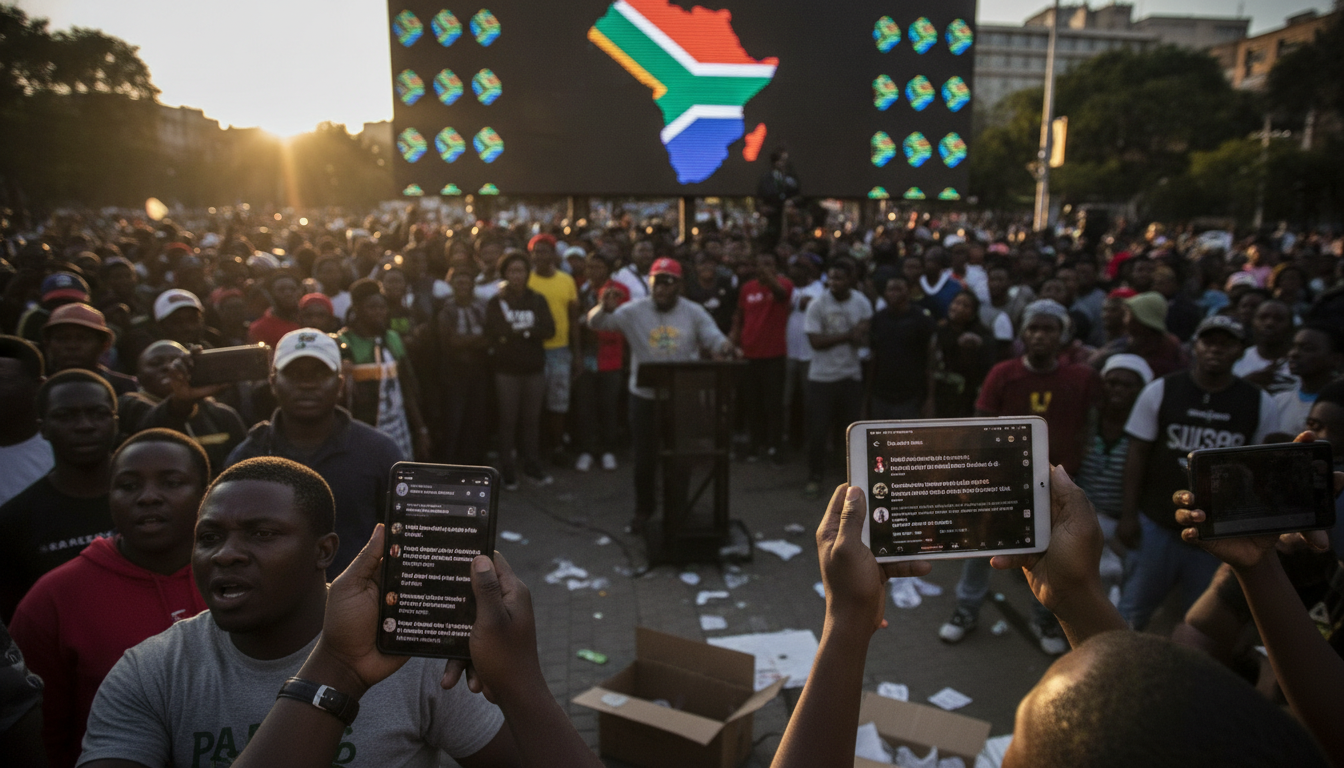
Online campaign fuels xenophobia in South Africa as journalists probe organisers
Online campaign is stoking xenophobia in South Africa, pushing biased narratives into mainstream media and prompting journalists to probe organisers.
Coordinated digital campaign identified
A coordinated online campaign has been linked to a recent surge in xenophobic incidents across South Africa. Investigations by journalists and researchers indicate that anti-migrant groups are using targeted posts and messaging to inflame public sentiment.
The campaign combines social media amplification, messaging apps and recycled news items to create a sense of crisis that appears grassroots. Analysts say the volume and timing of posts point to organised networks rather than spontaneous local outrage.
Rhetoric moving from fringe to mainstream
Social media content amplifying anti-foreigner sentiment is seeping into mainstream news coverage and public debate. Editors and reporters face pressure as inflammatory claims are repeated without adequate verification.
Media scholars warn that echoing unverified online narratives can normalise hostility and give credibility to false or misleading stories. The blending of social feeds and newsrooms is intensifying the reach and impact of xenophobic rhetoric.
Journalists and researchers demand clarity
A growing number of South African journalists are actively investigating who is behind the digital push and how it is financed. Reporting teams and academic researchers have begun mapping networks, tracing coordinated messaging and interviewing affected communities.
Contributors to the inquiry include broadcast hosts, academics and security analysts who say that understanding the campaign’s architecture is crucial to curbing its effects. Their work highlights gaps in transparency around social platforms and the challenge of attributing responsibility.
Impact on communities and public safety
Communities targeted by the campaign report rising intimidation, economic disruption and fractured social relations. Small businesses owned by migrants and asylum seekers have reported threats and declines in trade linked to the heightened climate.
Local civil society groups caution that sustained online hostility can translate quickly into on-the-ground violence, increasing vulnerability for displaced people and foreign nationals. Humanitarian advocates are calling for rapid protective measures and community engagement to stem tensions.
State response and law-enforcement actions
Government officials and police have faced calls to investigate the sources of online incitement and to act against those who organise attacks. Some municipal authorities have moved to increase patrols and open channels for reporting hate crimes.
Legal experts say existing laws can be applied to prosecute incitement and coordinated harassment if evidence is gathered and cases are pursued diligently. Observers caution that enforcement must be balanced with safeguarding freedom of expression and due process.
Civil society pushes for accountability and digital reform
Non-governmental organisations and research bodies are urging transparency from social platforms and stronger content moderation to curb coordinated disinformation. They are also pressing for public inquiries into how organised anti-migrant campaigns emerge and spread.
Advocates recommend improved media literacy programmes and rapid-response fact-checking to reduce the spread of incendiary claims. Several research centres and journalists have begun sharing resources and data to support evidence-based reporting and community protection.
Reporting and analysis in this wave of coverage draws on contributions from hosts, correspondents and academics, including researchers from security institutes and university journalism departments. Their combined work seeks to distinguish orchestrated campaigns from spontaneous social tensions.
Longer-term solutions suggested by experts include cross-sector collaboration between tech firms, civil society, law enforcement and newsrooms to build resilience against coordinated hate campaigns. Observers emphasise that transparent investigations and accountable platforms are essential to prevent further escalation.
The deepening probe into the online campaign aims to expose organisers, reduce the spread of xenophobic narratives and protect vulnerable communities as South Africa confronts the social and political consequences of sustained digital incitement.
