
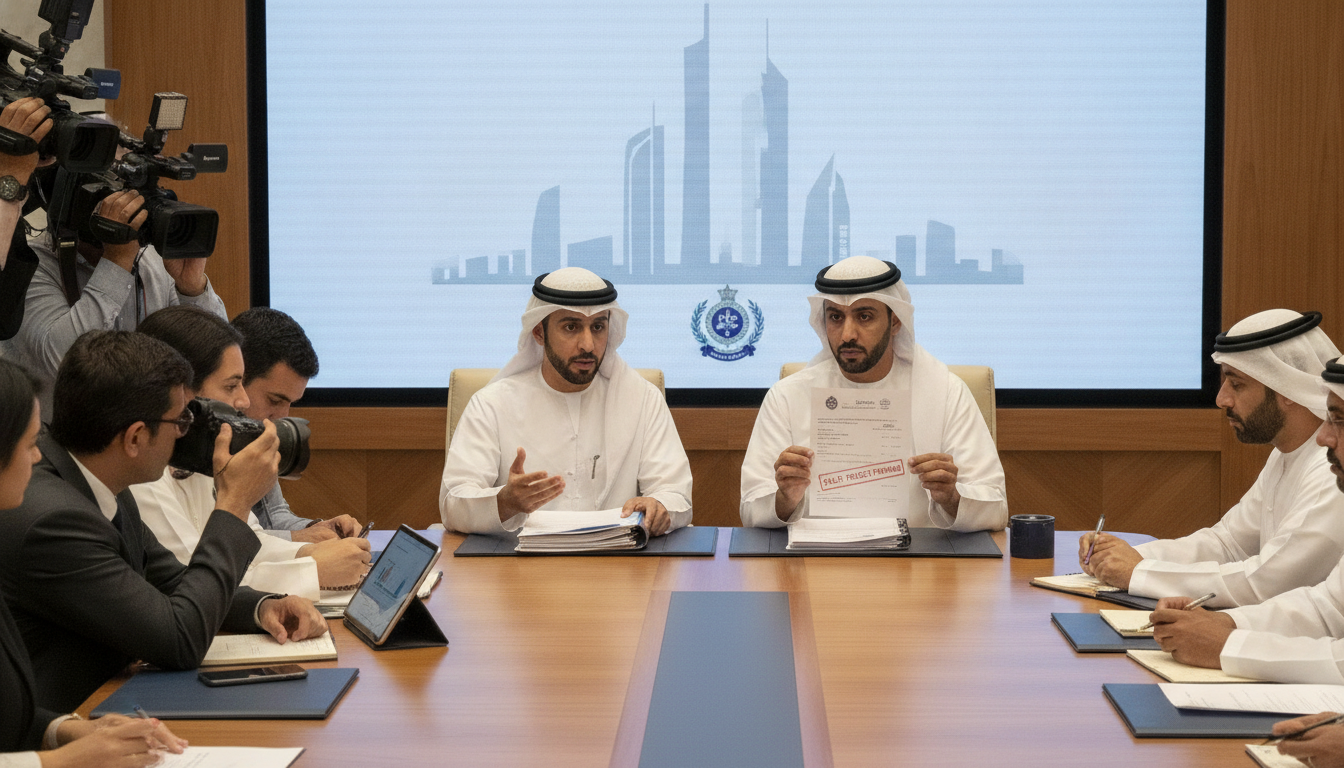
UAE insurance companies face complaints for assigning fault and deductibles despite police reports
UAE policyholders complain insurance companies assign deductibles or shared fault despite police reports naming the other party, including minors on e-scooters.
The growing number of car owners in the UAE who say insurance companies have charged them deductibles or reclassified their claims despite clear police reports is raising concerns across the sector. Policyholders insist their vehicles were deemed not at fault by police, yet some insurers have opened files as joint-fault or unknown-fault claims, prompting questions about claims handling. The dispute has highlighted tensions between official accident reports, insurance policy terms, and practical recoveries when minors or e-scooter riders are involved.
Policyholders report unexpected deductibles
Several motorists contacted insurers after accidents where police reports assigned full responsibility to the other party, but were still asked to pay a portion of repair costs. Complainants say carriers either treated incidents as unknown-fault or imposed a policy excess, citing difficulties in recovering costs from the third party. Those affected describe delays and unclear explanations, and some have formally requested written justifications for the insurers’ decisions.
The problem appears especially acute in collisions involving children or riders of electric scooters, according to claimants. Insurers reportedly argue that recovery from an uninsured or underage third party can be complex, and sometimes apply contractual terms that lead to partial coverage. Policyholders counter that the final police report should determine compensability and that internal insurer classifications should not override official findings.
Insurers’ rationale and file-review practices
Insurers say their assessments rely on a combination of documents, technical reports and the policy wording before settling a claim, and that an initial file opening as “unknown” can reflect procedural caution. Company sources note that insurers may request additional information, correction of clerical errors or further evidence if discrepancies appear between initial reports and other documents. They add that administrative review and legal checks are routine and intended to ensure accurate settlements rather than to disadvantage customers.
Industry experts stress that insurers must document the basis for any decision that departs from an official report and communicate it clearly to the policyholder. Where a discrepancy arises, firms may seek a corrected official report or pursue legal remedies against the at-fault party before finalising indemnity. That process, however, can extend timelines and increase frustration for vehicle owners awaiting repairs or compensation.
Police reports and the legal weight of findings
Legal and insurance specialists consulted for this story emphasise that the police accident report and any final judicial ruling carry decisive weight in apportioning liability. If an official police investigation clearly identifies one party as responsible, that determination should guide the insurer’s obligations under the policy terms. Experts caution, however, that insurers are permitted to review all available evidence and may lawfully seek further verification where inconsistencies or new facts emerge.
Authorities and consumer advocates say that altering an insured’s status without a legally backed revision of the report can amount to improper claims handling. They urge companies to adhere to the final, approved version of official reports and to avoid unilateral reclassification that lacks documentary support. Where an insurer maintains a different position, policyholders should receive a written explanation citing the precise contractual clause or legal basis.
Liability for minors and e-scooter riders
The rise in accidents involving minors on bicycles or electric scooters has added complexity to recoveries, as insurers face practical and legal challenges when the at-fault party is underage or uninsured. Legal rules applicable in the UAE transfer responsibility for a minor’s actions to their guardian in many cases, meaning civil liability can still be pursued. Insurance experts reiterate that the presence of a minor or an uninsured e-scooter rider does not automatically negate liability for damages.
Industry advisors note that while liability may rest with a guardian, insurers sometimes weigh the prospects of successful recovery before deciding how to settle a claim. That assessment can affect whether a claim is treated as recoverable-from-third-party or as partially borne by the policyholder under certain policy provisions. Consumer rights advocates argue that such assessments must not become a pretext for reducing payouts when official reports attribute fault elsewhere.
Regulatory remedies and dispute-resolution options
Regulatory officials remind policyholders that remedies exist when disagreements persist, including filing complaints with the Central Bank’s Banking and Insurance Disputes Resolution Unit, commonly known as SANDK. Complainants who cannot reach an amicable settlement are advised to lodge a formal dispute with that unit, which is tasked with adjudicating banking and insurance complaints in line with applicable rules. The regulator has the authority to investigate practices that contravene the approved procedures for claims handling.
Experts encourage customers to retain all documentation—police reports, repair estimates, insurer correspondence and policy terms—before escalating disputes. Clear records enhance the chances of a successful appeal to SANDK or other adjudicatory bodies and help regulators identify patterns of non-compliance. Where firms are found to have acted contrary to the law or regulations, supervisory authorities can impose corrective measures or sanctions.
A number of insurers maintain that the sector operates professionally and that isolated cases should not be taken as systemic wrongdoing, while consumer groups press for tighter enforcement of claim-settlement standards. As e-scooter use and other new mobility choices continue to grow, regulators, insurers and road users will need clearer protocols to ensure official accident findings are consistently reflected in insurance outcomes.
The controversy has prompted calls for greater transparency in claim decisions and for insurers to justify any divergence from official reports in writing, so that policyholders can exercise their right to review or escalate.
