
US plans to seize Iran-linked oil tankers, WSJ reports
WSJ: US prepares to seize Iran-linked oil tankers in international waters, prompting regional security and legal concerns as the Pentagon readies operations.
Opening summary
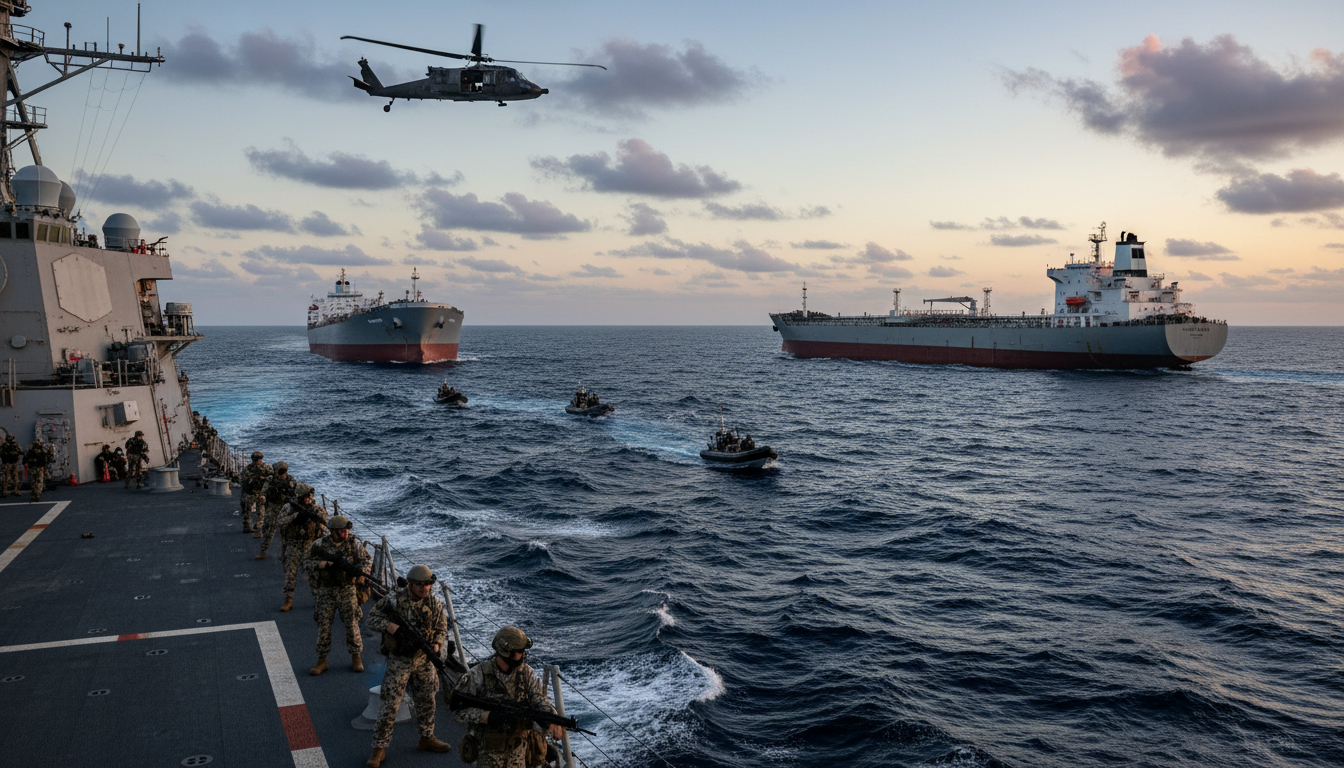
On Saturday, April 18, 2026, the Wall Street Journal reported that the US military is preparing operations in the coming days to seize oil tankers it says are linked to Iran. The report, citing unnamed US officials, said the planned actions could include boarding and taking control of commercial vessels in international waters. The development marks a significant escalation in maritime enforcement tied to sanctions and regional tensions.
Details of the reported operation
According to US officials quoted by the Wall Street Journal, the operations would target tankers alleged to be transporting oil in ways that violate US sanctions or support networks linked to Iran. The officials described plans for boarding teams and command-and-control measures aimed at securing vessels without endangering crew members. Pentagon spokespeople have not provided public confirmation of specific dates or targets, and US authorities typically avoid discussing operational details ahead of action.
Scope of vessels and locations mentioned
The report identified the potential focus on commercial tankers operating in international waters rather than within any single nation’s territorial sea. US officials suggested multiple ships could be involved, though no vessel names or flag states were publicly disclosed in the article. Maritime analysts say operations in international waters raise complex issues around jurisdiction, vessel registration, and the rights of seafarers.
Legal and maritime implications
Seizing commercial ships in international waters would invoke a mix of domestic US authorities, maritime law, and the legal frameworks that govern seizures related to sanctions enforcement. Legal experts note that the United States can act under its own statutes against property linked to sanctions evasion, but such actions can draw challenges from flag states or the shipowners. Any boarding or seizure would likely be scrutinised for adherence to international conventions such as the United Nations Convention on the Law of the Sea.
Regional security and diplomatic risks
Regional governments and industry stakeholders have expressed concern over escalatory measures at sea, warning that forceful interventions can increase the risk of miscalculation. Iran has previously responded to maritime confrontations with retaliatory steps in the Gulf and Arabian Sea, heightening fears in nearby capitals. Diplomats caution that unilateral operations could complicate ongoing efforts to de-escalate tensions and disrupt commercial shipping routes that are vital to global energy supplies.
Operational challenges for the US military
Executing seizures on moving commercial tankers presents significant practical risks, including ensuring crew safety, securing cargo, and maintaining chain-of-custody for any evidence of illicit activity. Boarding teams must operate under rules of engagement that balance enforcement goals with the safety of seafarers and the integrity of port and flag-state procedures. The logistical complexity also extends to custody and disposition of seized vessels, which can require coordination with international partners or legal processes in third-country courts.
What officials have said and what remains unconfirmed
While the Wall Street Journal report attributed the information to US officials, there has been no official Pentagon statement detailing specific operations, targets or timelines. US government spokespeople often withhold operational confirmation until actions are underway or completed. Analysts say the public reporting could reflect preparatory planning, a deterrence strategy, or an attempt to shape diplomatic leverage ahead of potential action.
International precedent and reactions from maritime industry
Past incidents of enforcement against vessels alleged to be violating sanctions or transporting contraband offer limited but instructive precedents. International responses have varied depending on whether flag states and port authorities were consulted and whether seizures were carried out in cooperation with partners. Shipping associations have repeatedly urged clarity and coordination to minimise disruption to commerce and to protect crews who are often far removed from ownership or operational decisions.
The evolving account, as reported by the Wall Street Journal on April 18, 2026, underscores heightened US scrutiny of maritime movements tied to Iran and the broader contest over enforcement of sanctions at sea. Observers in the region and global shipping stakeholders will be watching for official statements, changes in vessel routing, and any movement in international legal responses that could follow should seizures take place.
