
Iran proposal to US sent via Pakistan as deadline expires
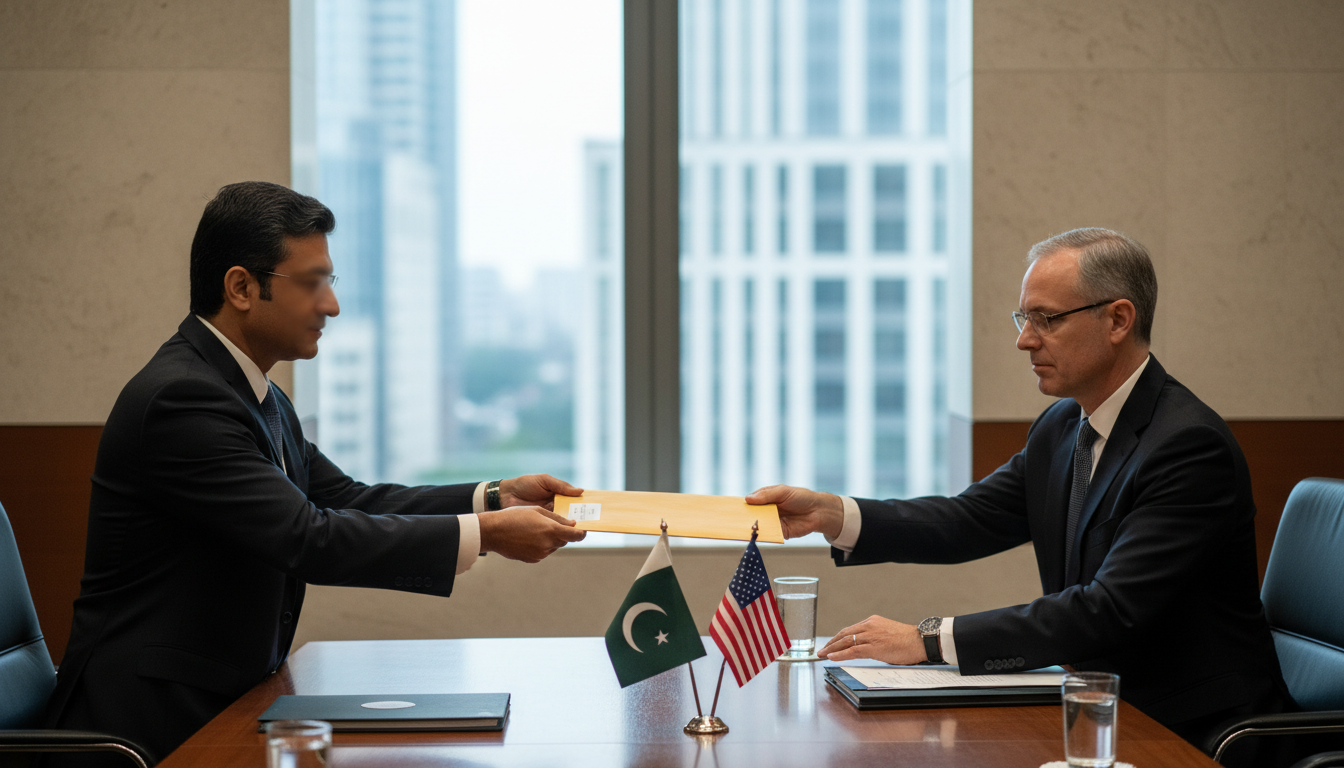
Iran has delivered its latest Iran proposal to US negotiators through Pakistani intermediaries, Tehran and diplomatic sources said on Friday, May 1, 2026.
The revised submission arrived on the final day set for Pakistan to receive Iran’s updated text, after a previous draft was rejected by U.S. officials.
Officials did not disclose the full contents, saying the transmission was part of ongoing diplomatic exchanges aimed at reviving stalled talks.
Delivery through Islamabad
Pakistani officials acted as intermediaries in the exchange, receiving the Iranian document and forwarding it to U.S. contacts, according to diplomatic channels.
Islamabad’s role as a conduit reflects its longstanding ties with both Tehran and Washington, and its willingness to facilitate discreet back-channel contacts.
Diplomats described the handover as routine for complex negotiations where direct contact remains politically sensitive.
No public statement from Pakistan clarified the timing or the mechanism of transmission beyond confirming receipt of the material.
U.S. response and prior rejection
The latest Iran proposal to the US follows a round of reviews in Washington after an earlier draft was turned down by U.S. decision-makers.
Officials said the earlier version failed to meet key U.S. conditions, prompting Tehran to prepare a revised text and a final submission window.
U.S. representatives have not publicly confirmed receipt or outlined their position on the revised proposal.
Analysts caution that silence from Washington does not necessarily indicate rejection, as responses in such exchanges often involve internal deliberations and consultations with allies.
Contents and objectives of the revised proposal
Tehran has described the exchange as part of negotiations but has not released details about the revised proposal’s substance.
Diplomatic sources say the document likely aims to bridge differences on core issues, though the precise priorities remain undisclosed.
Observers suggest the text may address sequencing, verification, and guarantees—all recurring themes in past talks between Iran and the United States.
Any adjustments could be designed to make the proposal more acceptable to U.S. negotiators while preserving elements Tehran deems non-negotiable.
Regional implications and Gulf states’ perspective
The development has drawn attention across the Gulf, where governments monitor Iran–U.S. contacts for their potential impact on security and economic stability.
Some regional capitals are urging caution and urging diplomatic channels to be used to reduce tensions rather than escalate them.
A constructive diplomatic outcome could ease regional nerves and open avenues for confidence-building measures, officials say.
Conversely, failure to reach common ground may prompt countries to recalibrate their security postures or deepen coordination with external partners.
Role of intermediaries and private diplomacy
The use of Pakistan as a transmission channel underscores the continued reliance on intermediaries for sensitive diplomacy.
Such back channels allow parties to exchange proposals without the political costs of direct talks or public negotiation sessions.
Experts note that intermediaries can help preserve plausible deniability and enable incremental progress when official channels are blocked.
However, they also caution that indirect exchanges can lengthen timelines and complicate verification if there is limited transparency.
Potential next steps in the negotiation timeline
Diplomats expect a period of analysis in Washington as U.S. officials evaluate the revised Iran proposal to the US and consult with regional partners.
If the submission addresses core U.S. concerns, it could lead to renewed, more formal discussions; if not, interlocutors say expect more rounds of revision or a stalemate.
International actors, including European and Gulf states, are likely to press for clarity on timelines and verification mechanisms should talks advance.
Any movement will depend on reciprocal confidence-building measures and on whether both sides judge the political costs of compromise to be manageable.
The coming days will be closely watched in capitals across the region as officials assess whether the revised proposal creates a pathway back to substantive negotiations or simply prolongs a cycle of revisions.
