
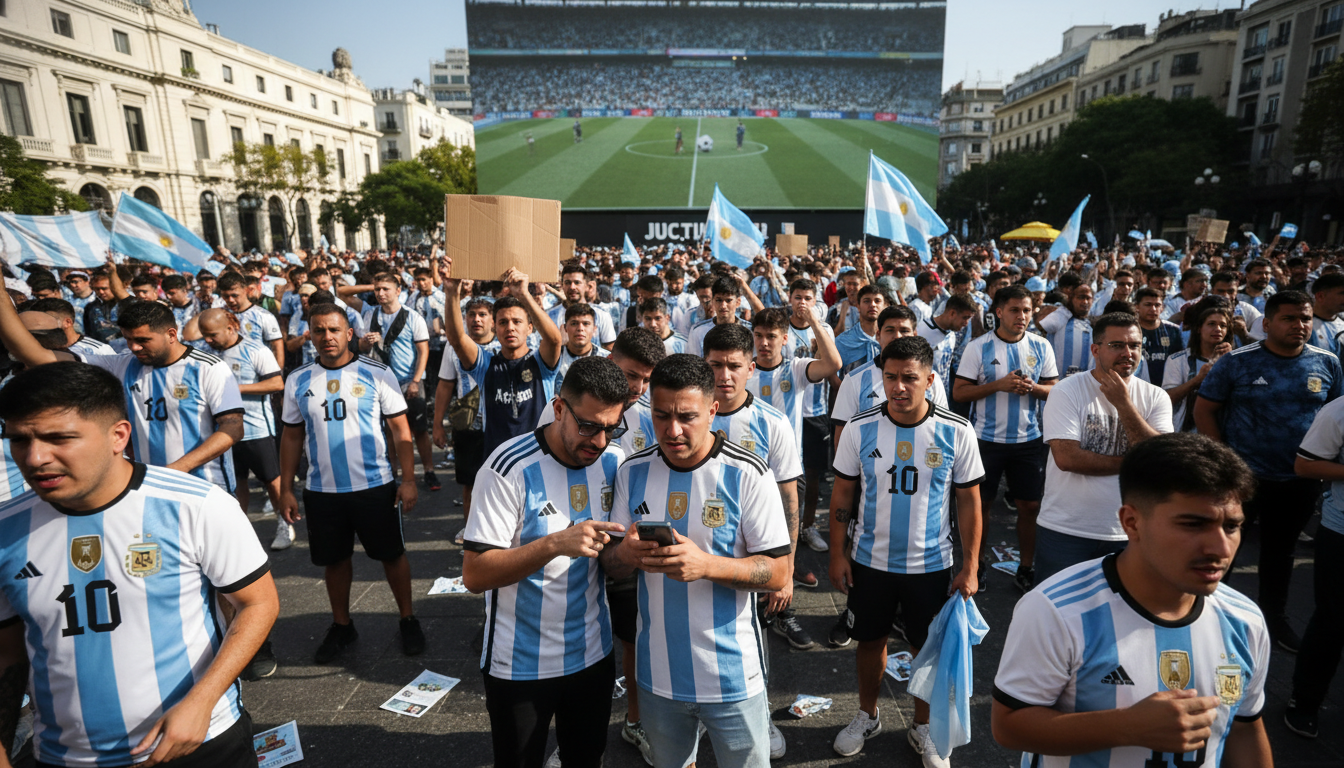
Argentina fans confront soaring World Cup ticket prices after FIFA adopts dynamic pricing
Argentina fans face record-high World Cup ticket prices after FIFA’s shift to dynamic pricing, forcing many into debt, legal complaints and complex travel plans for summer 2026.
Argentina fans are confronting unprecedented costs to attend the 2026 World Cup after FIFA introduced dynamic ticket pricing for the tournament in the United States, Mexico and Canada. The change has pushed many common match tickets well beyond previous levels, prompting protests, legal challenges and a rush of creative travel planning among supporters determined to follow their team. For passionate Argentine supporters, the combination of high demand for Lionel Messi’s likely last World Cup and volatile domestic finances has produced a bitter choice between sacrifice and staying home.
Record increases in official and resale prices
Ticket prices for Argentina’s group matches began at levels already higher than in 2022 and have climbed further as demand surged. Group-stage seats that were offered around several hundred dollars quickly topped the $700–$800 mark, while prices for marquee matches and the final have soared into the thousands. Secondary markets amplify the effect: resale listings for the final reached eye-catching sums, and fees on resale platforms add a substantial premium to prices set by the organizer.
Fans and consumer advocates say the scale of the increases is historic, arguing that fixed pricing at past tournaments kept access broader and created more inclusive atmospheres. Organizers counter that higher revenues are earmarked for the sport’s global programs, but that explanation has done little to stem anger among supporters who see attendance as a cultural right rather than a luxury.
FIFA’s shift to dynamic pricing explained
Dynamic pricing allows ticket costs to fluctuate with demand, a model widely used in airlines and entertainment but new to the World Cup’s ticketing structure. FIFA has defended the policy as a means to maximize revenue for football development and to capture market value for high-demand fixtures. Officials also note that dynamic pricing can help allocate seats more efficiently across markets.
Critics say the move prioritizes revenue over fans and may distort the tournament’s social character. They point to the unique global draw of national teams like Argentina, arguing that a World Cup’s atmosphere depends on large contingents of traveling supporters whose presence is now at risk when prices skyrocket.
Personal sacrifices and family decisions
Across Argentina, fans are making difficult choices to attend the tournament. Some supporters are liquidating assets, taking on high-interest debt or selling personal possessions to buy tickets and fund travel and accommodation. Others report planning monthlong stays in the United States and committing family income to be present for group matches, while partners consider leaving jobs temporarily to join the trip.
For many, attending a World Cup is framed as a once-in-a-lifetime event tied to national identity, especially with a generation that witnessed Argentina’s dramatic 2022 victory. That cultural pressure is multiplying the willingness to absorb financial strain despite rising living costs and stagnant wages at home.
Grassroots coordination and money-saving tactics
Faced with steep costs, Argentina fans are organizing barbecues, online groups and shared accommodation schemes to lower travel expenses. Some travelers plan multi-leg itineraries through third countries to cut airfare, while others coordinate roommate arrangements and pooled logistics for stadium days. Informal networks also exchange tips about ticket timing and resale opportunities to avoid the highest premiums.
These grassroots efforts reflect long-standing fan ingenuity but also underscore how access increasingly depends on social capital and willingness to endure inconvenience. For lower-income supporters, the options remain limited despite creative planning.
Economic backdrop in Argentina
The pricing squeeze is occurring against a backdrop of economic fragility in Argentina. Many workers contend with low registered wages and high inflation, and nearly half the workforce operates in informal sectors with irregular income. When the average monthly income is modest relative to ticket and travel costs, the burden of attending an international tournament becomes acute for large segments of the population.
Sociologists and fan activists note that football serves as a social glue in Argentina, bringing people together across political divides. That symbolic value explains why supporters are still mobilizing resources to be present, even when the financial calculus seems irrational to outsiders.
Political pushback and concerns about tournament atmosphere
The introduction of dynamic pricing has prompted public complaints and at least some legal scrutiny, as politicians and consumer groups question whether the model undermines fairness. Some long-time attendees have announced their intention to boycott matches in protest, arguing that escalating costs will make the World Cup a captive market for the affluent and private resellers.
Beyond equity debates, fans warn of a practical consequence for the tournament itself: smaller Argentine contingents at stadiums would dim the flags, drums and choreographed displays that have made recent finals and group stages vibrantly memorable. Organizers face a dilemma — maximize revenue or preserve the mass participation that sustains football’s spectacle.
Argentina fans remain determined to fill stadiums where possible, but many are waiting for last-minute price adjustments or ticket releases that might lower the barrier to entry. The coming weeks will test whether demand and pricing stabilize or whether the unique matchday atmospheres of past tournaments are forever altered.
As fans weigh debts, long flights and communal improvisation against the pull of national pride, the outcome will shape not just who is in the stands this summer but how future World Cups balance commercial opportunity with the game’s grassroots fervor.
