
Congress to Require Vote on Any Trump Iran Nuclear Deal as Senators Demand Full Briefing
US lawmakers from both parties demand Congress review any Trump Iran nuclear deal, seeking briefings and a vote after reports of a preliminary White House memo.
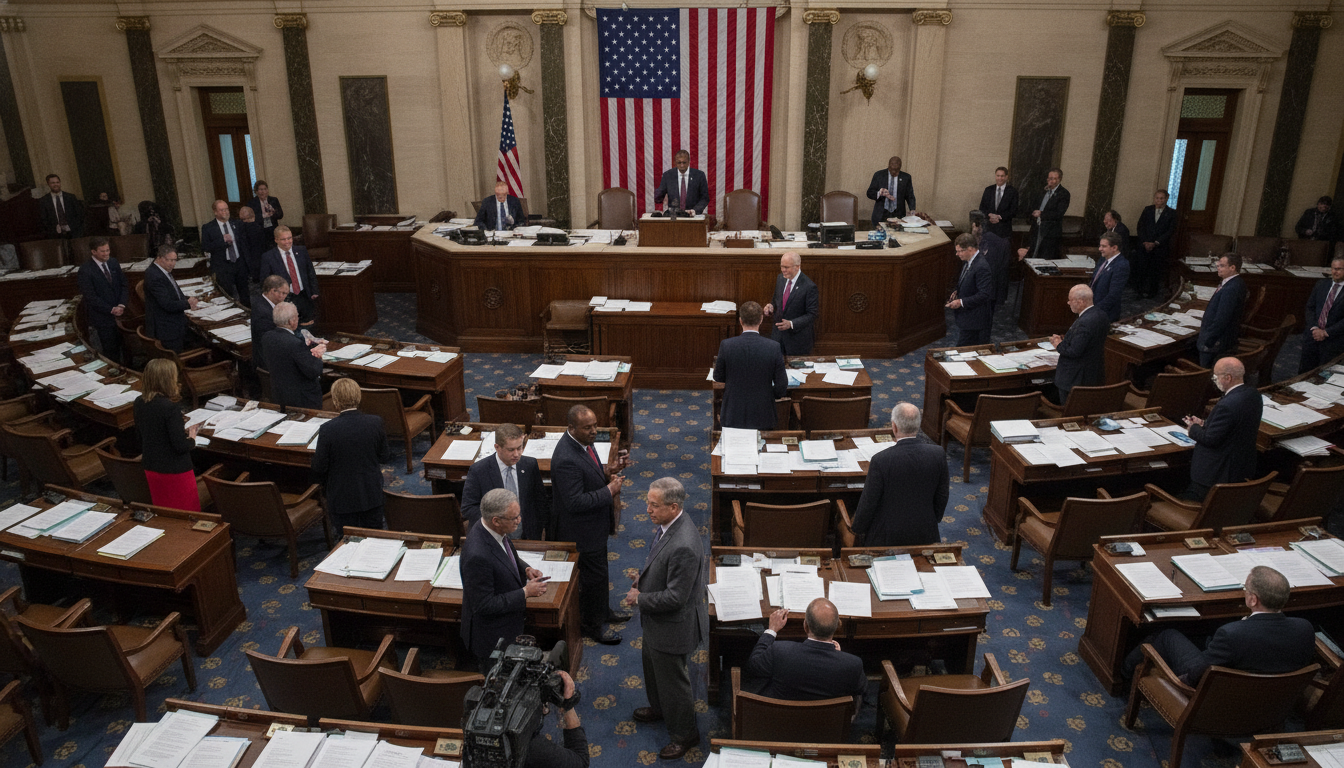
In a rare show of bipartisan agreement under the U.S. Capitol dome, lawmakers from both parties say any final Trump Iran nuclear deal must be submitted to Congress for formal review and a possible vote. Republicans pointed to existing federal law that requires congressional review of major nuclear accords, while Democrats pushed for scrutiny even of the preliminary memorandum that lawmakers have not yet seen. Tensions center less on the need to involve Congress than on whether the White House will respect that role or seek to sidestep it.
Bipartisan demand for congressional review
Senators from both sides of the aisle urged the White House to send any deal text and related documents to Capitol Hill, saying the public and legislators must understand the terms. Republican members argued the 2015 review framework applies to a deal of this scope, while Democrats said the threshold for oversight should be even broader. The chorus of demands reflects concern that an agreement reached at the executive level could reshape regional dynamics without sufficient legislative input.
Several lawmakers warned that secrecy or delay would raise political and legal questions as negotiations proceed. The immediate objective for most senators is access to the White House memo reported to outline the preliminary understandings with Tehran. Until legislators review that material, the bounds of the debate—and the potential for compromise or revolt—remain unclear.
Legal precedent and the 2015 review mechanism
Republican senators cited the Iran Nuclear Agreement Review Act of 2015 as the relevant legal precedent, arguing it requires Congress to have an opportunity to examine and respond to a pact that limits Iran’s nuclear activities. That law created a formal window for congressional action on agreements resembling the 2015 deal, and many in both parties view it as the natural template. How the White House chooses to characterize an eventual agreement—executive arrangement versus treaty—will shape the pathway for congressional involvement.
Some Republicans pushed further, saying any enduring, substantive arrangement should effectively be treated as a treaty and therefore subject to the Senate’s two‑thirds advice-and-consent threshold. That position, if adopted by enough lawmakers, would sharply raise the bar for presidential conduct of foreign policy on the Iran file.
White House signals and questions about compliance
The White House has publicly said the president would send a final agreement to Congress, but lawmakers remain skeptical about whether that commitment will be binding. Officials have hinted the administration favors a structure that conditions Iranian benefits on demonstrable behavior, a construct intended to limit immediate concessions. Still, senators argued that conditioned incentives and provisional steps require transparency to prevent unintended strategic shifts.
Reports that certain benefits could be granted before a final accord—such as oil sales—heightened unease among some Republicans. Those senators warned that early concessions might give Iran leverage in critical chokepoints like the Strait of Hormuz, complicating efforts to secure durable constraints on nuclear activities.
Senators voice early skepticism and potential defections
Key Republican figures signaled reservations about any deal that appears to reward Tehran without lasting safeguards, suggesting there could be GOP defections when a vote is called. Senator Bill Cassidy described initial reports as troubling and suggested any comprehensive agreement should face the highest legislative scrutiny. Other Republicans, including Senator Joni Ernst, demanded a thorough review and said the Senate must be allowed to weigh in fully.
Democrats expressed distrust of Republican assurances that the president will abide by the congressional role, warning that party leaders might not force a binding vote if the White House resists. Senate Democratic leaders said they would use every tool available to press for transparency and to ensure the legislative branch is not sidelined.
Impact of a preliminary White House memorandum
Lawmakers repeatedly asked for the administration to release the memorandum reportedly signed by the president, saying the document is necessary to assess the direction of talks. Majority leadership pressed for briefings and a copy of the memo, arguing that members cannot responsibly evaluate national security implications blind. Without access to the text, both parties said they would struggle to judge whether reported concessions or conditional arrangements are acceptable.
Analysts in Congress warned that a memo that grants immediate benefits or ambiguous timelines could trigger swift backlash. Whether the White House frames such steps as reversible executive actions or as components of a binding deal will influence how easily future administrations could alter or revoke them.
Path forward and congressional tools
If the White House sends a final agreement, members expect the review process to follow established congressional procedures and timelines, though the outcome is uncertain. Some senators prefer a formal vote to give any agreement durability and political legitimacy, while others emphasize oversight mechanisms that could restrict implementation without full Senate ratification. Lawmakers also noted that political dynamics within the Republican conference will be decisive in determining whether an agreement survives in Congress.
Beyond votes, Congress can use hearings, conditioning of funding, and legislation to shape the implementation of any pact. Several senators cautioned that an agreement negotiated without thorough legislative involvement risks being short-lived or vulnerable to reversal by a future president.
As negotiations continue, Capitol Hill’s message is clear: any Trump Iran nuclear deal that materially alters U.S. commitments or lifts restrictions on Tehran will face close congressional scrutiny, and many lawmakers are prepared to demand a binding role in approving, rejecting, or shaping its terms.
