
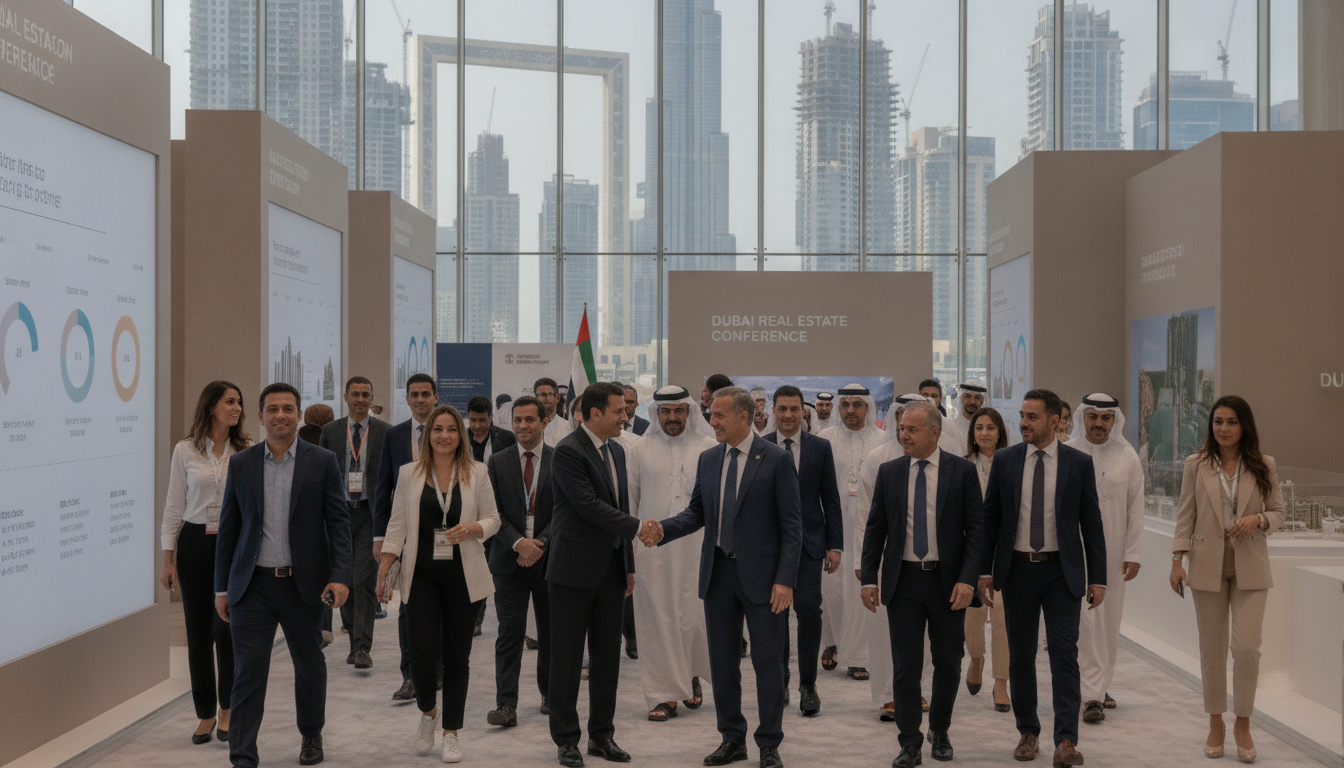
Dubai rental market shifts to balance in H1 2026 as JBR and Business Bay lead rents
DXB Interact: Dubai rental market moved from rapid rises to measured stability in H1 2026; JBR and Business Bay top rents as new supply eases pressure.
Dubai’s rental market entered the first half of 2026 with a clear shift from steep increases to a more balanced and mature phase, according to data from property platform DXB Interact. The platform’s analysis of actual Ejari contracts shows continued strong leasing activity alongside selective cooling in some mid‑range apartment and villa segments. Market participants say the change reflects pricing discipline and greater sustainability for tenants, owners and investors rather than a broad fall in demand.
DXB Interact signals transition from rapid growth to measured balance
DXB Interact’s founder, Fateh Al‑Masadi, described the market’s trajectory as moving from rapid rises to a steadier state during H1 2026. He noted that contract-level data indicate robust transaction volumes even as median rents in some categories moderate. Al‑Masadi said this represents healthier pricing dynamics tied to supply and product quality instead of the across‑the‑board increases seen in prior years.
JBR records highest studio and one‑bedroom rents across monitored areas
Analysis covering 12 principal Dubai areas found Jumeirah Beach Residences (JBR) topping the list for both studios and one‑bedroom units. The average annual rent for a studio at JBR reached around AED 70,000, while a one‑bedroom averaged roughly AED 102,500. At the other end of the scale, International City (Phase 1) recorded the lowest averages for studios and one‑bedrooms at about AED 32,000 and AED 44,000 respectively.
Business Bay leads two‑bedroom category; citywide averages reported
Business Bay emerged as the most expensive area for two‑bedroom units, with an average annual rent near AED 130,000. Across the 12 monitored districts, DXB Interact reported mean annual rents of AED 50,880 for studios, AED 70,080 for one‑bedroom units and AED 98,410 for two‑bedroom homes. These figures reflect median contract values rather than advertised asking prices, providing a tighter read on market realities.
New supply of 17,238 units aids market absorption
Market analysts point to the delivery of 17,238 residential units so far in 2026 as a key factor helping to absorb demand and temper rent escalation. The influx of new product increased choice for tenants and eased pressure on mid‑range segments that had seen the sharpest recent rises. DXB Interact’s assessment suggests that fresh supply has contributed to a more balanced relationship between landlords and occupiers.
Leasing activity remains elevated with 146,000 contracts in H1
Leasing activity in Dubai showed resilience, with roughly 146,000 rental contracts registered during the first half of 2026. That volume approaches levels seen in 2025 and surpasses comparable periods in 2024 and 2023, indicating sustained housing demand. DXB Interact highlighted that the number of contracts — combined with stabilising median values — signals an active but maturing market.
Selective moderation rather than broad declines in rents
Data comparisons between Q1 and Q2 point to a moderation in median contract values in specific apartment and mid‑sized villa categories rather than sweeping declines. Al‑Masadi emphasised that price movements are increasingly linked to actual supply depth and the intrinsic quality of units. He added that large villas and neighbourhoods with constrained supply have generally maintained stronger rent levels.
Outlook: steady trajectory expected into third quarter
Looking ahead, DXB Interact expects the Dubai rental market to maintain relative stability into Q3 2026, with selective pricing adjustments persisting in segments that experienced rapid prior gains. The platform anticipates less scope for landlords to push rents higher compared with 2024 and 2025, while underlying drivers such as population growth and corporate relocations should continue to support demand. Longer‑term lease renewals and an appeal among families to avoid relocation costs were cited as additional stabilising factors.
Overall, DXB Interact’s contract‑level analysis presents a picture of a rental market moving toward price discipline and sustainability. The combination of significant leasing activity, targeted supply additions and a shift toward median‑based pricing suggests Dubai’s rental cycle is maturing rather than cooling sharply. The coming quarters will test whether these early signs consolidate into sustained equilibrium for tenants and investors alike.
