
Iran war aftermath deepens as Iranians reel from deaths, destruction and economic collapse
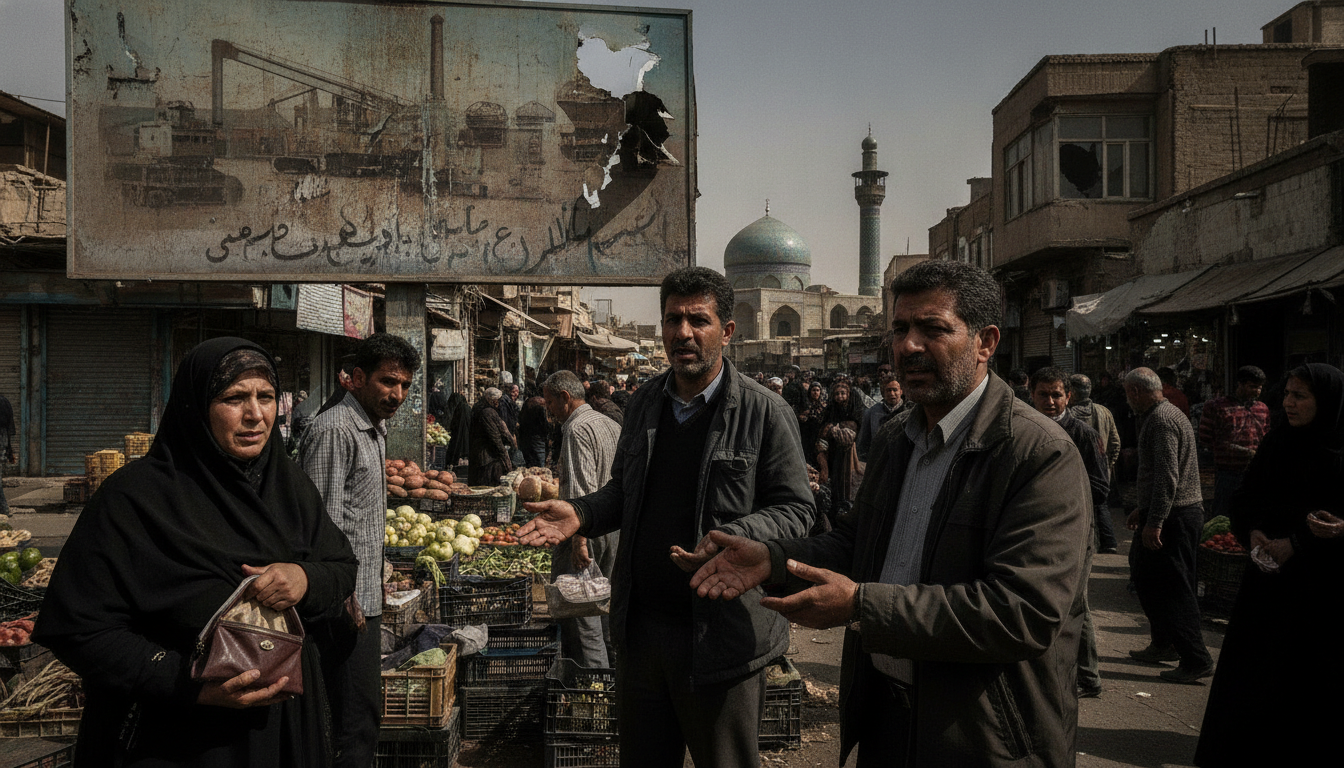
As the Iran war aftermath unfolds, Iranians report mounting despair after intense US and Israeli strikes that killed civilians, shattered infrastructure and upended daily life. The cease-fire has reduced bombing but has not stemmed an economic collapse that has made basic goods unaffordable for many. Voices from Tehran, Isfahan, Mashhad and Ahvaz describe a population exhausted by loss, shortages and uncertainty over political futures.
Civilian toll and widespread trauma
Survivors and relatives across Iran say the human cost of the strikes is staggering, with reports of thousands of civilian deaths and entire families wiped out in single attacks. Residents describe hospitals overwhelmed, grief made public on social platforms, and communities struggling to bury the dead while coping with psychological trauma.
Medical professionals and aid figures report acute shortages of essential medicines and supplies, complicating treatment for chronic conditions and war-related injuries. Hemophilia advocates and doctors have said reserves are exhausted and imports are hampered, intensifying fears for vulnerable patients.
Destruction of infrastructure and industry
Airstrikes during the campaign struck a wide range of targets, including airports, seaports, petrochemical plants and bridges, officials and witnesses say. The hits have disrupted supply chains, halted production in factories and left critical transport nodes inoperable for weeks.
The effective closure of the Strait of Hormuz during the conflict further amplified economic damage by constraining maritime trade and oil exports. Analysts caution that rebuilding ports, refineries and supply networks will require sustained investment and a more stable security environment.
Economic collapse and soaring prices
Official and market indicators point to a sharp deterioration in living standards as inflation surges and staples become scarce. Government statistics cited steep year-on-year increases for cooking oil, eggs, rice and milk, while many households report buying essentials on credit or skipping meals to make paychecks last.
Rising unemployment follows factory shutdowns and disrupted petrochemical production, with managers reporting furloughs and halted lines due to lack of raw materials. The combination of job losses and runaway prices has pushed many once-stable families into debt and dependence on informal support networks.
Public mood shifting from hope to disillusionment
Many Iranians who once saw external military action as a route to regime change now express anger and resignation, saying the violence only deepened the country’s miseries. Former supporters of intervention have questioned whether the outcome was ever intended to improve daily life, pointing to reports that suggested external powers contemplated installing familiar hard-line figures.
Interviews show that echoes of earlier protest movements have given way to a narrower focus on survival, with citizens prioritising food, medicine and work over political upheaval. This recalibration reflects a broader sense that the costs of conflict have outweighed potential gains for ordinary people.
Diplomatic standoff and leadership questions
Negotiations to solidify a lasting cease-fire remain fraught, with the Strait of Hormuz and terms of political transition among the main sticking points in mediations. Conflicting public statements from foreign leaders and on-again, off-again diplomacy have compounded uncertainty inside Iran about what a post-conflict settlement would mean for governance and reconstruction.
The sudden death of the country’s supreme leader during early strikes and the succession that followed have intensified debate about legitimacy and direction. International commentators warn that contradictory messaging from external actors risks undermining trust in talks and fueling domestic confusion.
Social media, testimony and calls for negotiation
As internet restrictions eased in late May, Iranians returned to social platforms and shared vivid accounts of loss and hardship, helping to shape public perception at home and abroad. Viral posts documenting personal tragedies have become a focal point for collective mourning and for demands that diplomacy be prioritised to stabilise daily life.
For many, negotiation rather than continued conflict is the immediate priority to halt the economic freefall and to restore basic services. Analysts and civil society figures say that while political change remains an aspiration for some, pragmatic pressure for talks is now driven by the urgency of humanitarian and economic needs.
The experience of the past months has left a complex and fragile picture: widespread suffering and a population that is weary of both violence and promises that failed to deliver tangible relief. As diplomats, regional powers and Iranian authorities navigate a difficult path forward, ordinary Iranians say their chief concern is rebuilding lives and securing the necessities that war has taken from them.
