
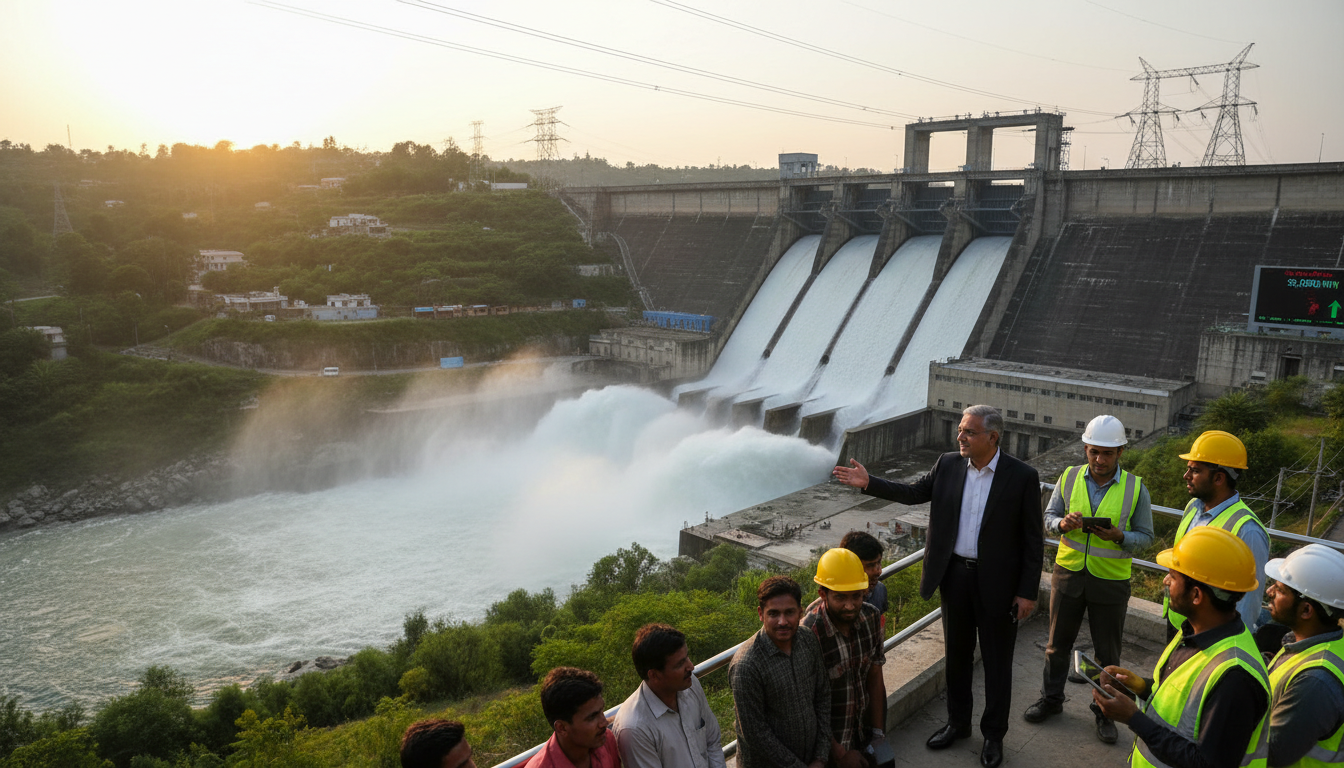
Pakistan power supply improves as dam releases boost generation to 5,000 MW
Pakistan power supply improves after dam releases deliver up to 5,000 MW; government plans shorter evening load-shedding and risks from regional tensions.
Pakistan’s power supply has shown measurable improvement since April 17 as increased water releases from major reservoirs allowed the country to produce up to 5,000 megawatts during peak hours, an official from the energy department said. The spokesperson told local media that an additional 400 MW from the southern region helped stabilise the national grid, easing pressure on consumers and businesses. Authorities have signalled plans to reduce evening load-shedding to roughly two hours as part of a broader effort to contain energy costs, while warning that regional tensions could complicate progress.
Improvement in supply since April 17
The Energy Department’s statement said system conditions began to ease following targeted reservoir releases on April 17. Officials attributed the improved supply to coordinated water discharge schedules that increased hydropower output during critical demand windows. The timing coincided with reduced interruptions in several urban and industrial centres, according to the report cited by local press.
Dam releases and hydropower contribution
Department briefings highlighted that managed releases from dams permitted peak hydropower production of as much as 5,000 MW. That increase came during evening demand spikes when the grid typically faces its greatest strain. Energy planners said the additional hydropower reduced reliance on costlier thermal generation and helped rebalance supply margins.
Southern region adds 400 MW to grid stability
In addition to reservoir contributions, officials noted roughly 400 MW came from the country’s southern region, providing further stability to the transmission network. The southern supply was described as crucial for smoothing load flows and relieving bottlenecks that can trigger outages. Grid operators said the combined effect of northern and southern boosts allowed more predictable scheduling of maintenance and emergency reserves.
Government intent to shorten evening load-shedding
Federal authorities have announced an intention to limit evening load-shedding to about two hours as part of measures to rein in power costs for households and industry. The move forms one element of a cost-control strategy that pairs operational adjustments with conservation messaging. Officials stressed that maintaining the shorter interruption window will depend on continued water inflows and fuel availability for thermal plants.
Regional risks and energy cost pressures
The energy department flagged that the broader regional environment poses risks to Pakistan’s supply outlook, noting that conflict in neighbouring Iran has the potential to affect fuel transport and prices. Analysts say an energy-poor country remains sensitive to international market swings and cross-border disruptions, which can quickly erode the benefits of short-term supply gains. Policymakers indicated contingency planning is under way to address price volatility and possible import constraints.
Implications for consumers and businesses
Reduced load-shedding and a steadier grid can ease operational disruptions for businesses and reduce hardship for households, particularly in the hours of peak electricity use. However, industry representatives cautioned that unpredictable fuel markets and hydrological variability mean gains could be temporary without longer-term structural adjustments. Consumer groups welcomed the prospect of shorter evening outages but urged authorities to provide clear schedules and transparent criteria for any further changes.
Looking ahead, officials emphasized that sustaining improved Pakistan power supply will depend on ongoing reservoir management, monitoring of fuel supply lines, and contingency measures to manage regional uncertainty. The energy department said it will continue to publish updates on system conditions and coordinate with provincial distribution companies to minimise interruptions while seeking to control costs.
