
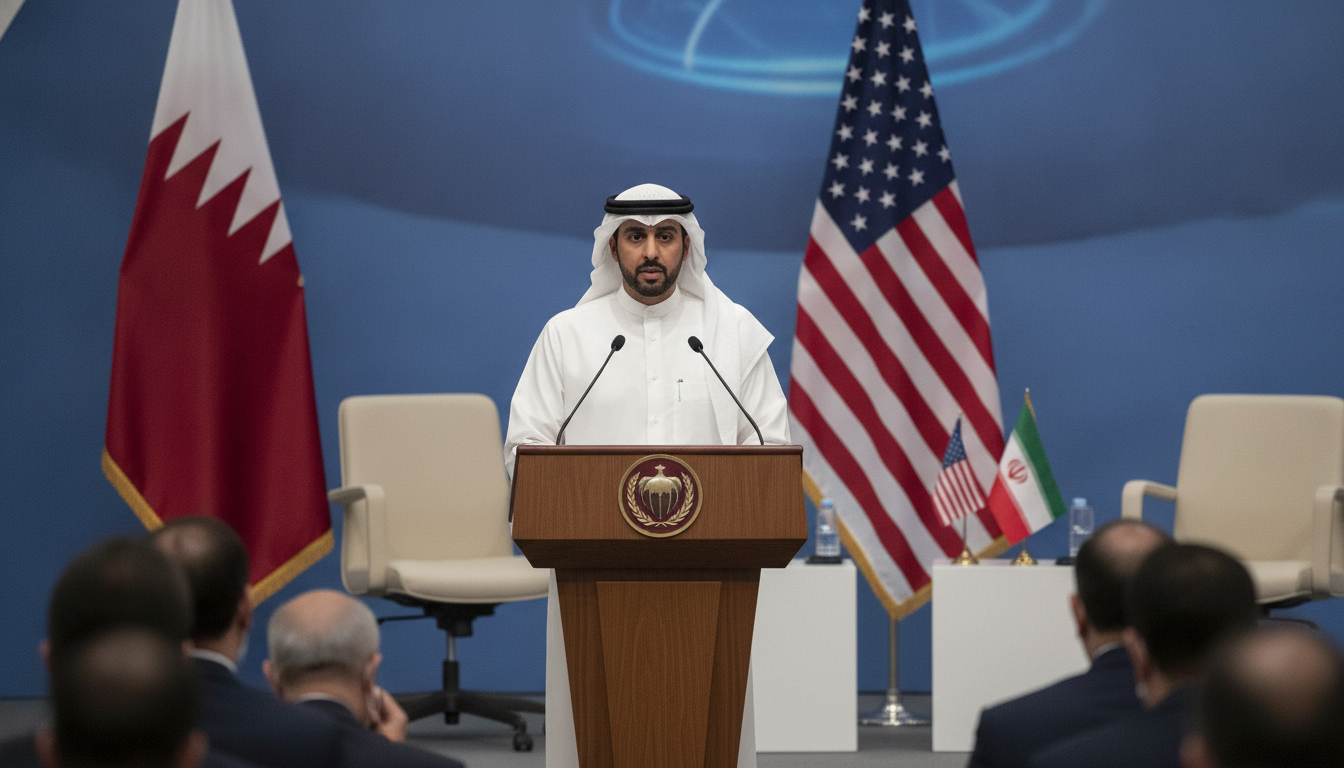
Qatar Emir phone call with Trump focuses on US‑Iran de‑escalation and diplomatic dialogue
Qatar’s Emir spoke by phone with US President Trump about de‑escalation with Iran and continued diplomatic coordination, the Qatari news agency reported.
Sheikh Tamim bin Hamad Al Thani held a telephone conversation with US President Donald Trump in which both leaders reviewed regional developments and the need to reduce tensions with Iran. The call, described by the Qatari news agency, emphasized diplomatic avenues and efforts to narrow differences between Washington and Tehran. Officials said the discussion underlined the importance of sustained consultation between Doha and Washington on regional security matters.
Qatari Emir and US President Discuss De‑escalation with Iran
In the call, the Emir and President Trump focused on measures to lower the current level of confrontation between the United States and Iran. Both leaders reiterated interest in creating conditions conducive to a durable diplomatic settlement. The discussion reflected concern among Gulf and international partners about the broader implications of continued escalation.
Qatari officials framed the exchange as part of ongoing efforts by Doha to act as a diplomatic interlocutor in the region. Sources cited by the Qatari news agency noted that the conversation included a review of recent incidents and political developments that could affect regional stability. The call was presented as evidence of Qatar’s continued engagement with major international actors on security and diplomatic initiatives.
Focus on Diplomatic Solutions and Memorandum References
During the conversation, the Emir emphasized the need to pursue dialogue and diplomatic channels to address disputes with Iran. Qatar highlighted adherence to terms agreed within a referenced memorandum of understanding as a pathway to reducing friction. The statement encouraged all parties to honour prior agreements and to support international initiatives aimed at containing tensions.
Doha’s commentary suggested it views formal frameworks and prior understandings as useful reference points for negotiation. The Emir’s position reflects Qatar’s broader policy of advocating negotiated settlements and avoiding military escalation. The emphasis on established commitments aimed to signal a preference for predictable, rules‑based management of disputes.
Coordination on Regional and International Developments
The two leaders also reviewed a range of regional and international issues of mutual interest, according to the Qatari account. They underlined the importance of continued coordination and consultation between Qatar and the United States on unfolding developments. Officials indicated that this bilateral channel is being used to exchange assessments and align positions where possible.
Analysts note that Qatar’s geographic and diplomatic positioning gives it a unique role in communicating with multiple regional actors. The phone call illustrates how Gulf states and Washington continue to rely on direct dialogue to manage risks tied to broader Middle East tensions. Regular exchanges, diplomats say, help calibrate responses and keep diplomatic options open.
Qatar’s Role in Mediation and Dialogue
Qatar has cultivated a reputation for facilitation and mediation in regional disputes, a role the Emir reiterated during the call. Doha’s diplomatic outreach often involves parallel engagement with different states to create openings for negotiation. The Emir’s appeal for dialogue with Iran aligns with past Qatari initiatives aimed at de‑escalation and confidence‑building.
Qatari officials framed the conversation with President Trump as part of those mediation efforts, stressing the value of quiet diplomacy. Observers see such contacts as important complements to formal multilateral mechanisms, especially when tensions risk rapid deterioration. Doha’s interventions, supporters argue, can help preserve diplomatic space and avert unintended escalation.
Calls for Continued Consultation and Next Steps
Both leaders agreed on the need to maintain channels of communication and to consult closely on developments that affect regional security. The Emir urged continued use of diplomatic instruments and support for international measures intended to reduce hostilities. Qatar and the United States signalled readiness to keep exchanges active as circumstances evolve.
Officials did not disclose a detailed agenda for follow‑up contacts, but the public account suggests an ongoing dialogue rather than a one‑off engagement. The emphasis on coordination points to expectations of further conversations among officials and possibly multilateral consultations. Doha indicated it would remain engaged with international partners to support stability and conflict containment.
The telephone exchange between Sheikh Tamim and President Trump underlines Qatar’s continued diplomatic engagement with Washington on critical regional security issues. Both sides framed the conversation as a constructive effort to promote de‑escalation with Iran through sustained diplomatic means. Observers say the call reinforces the importance of active diplomacy amid persistent regional tensions.
