
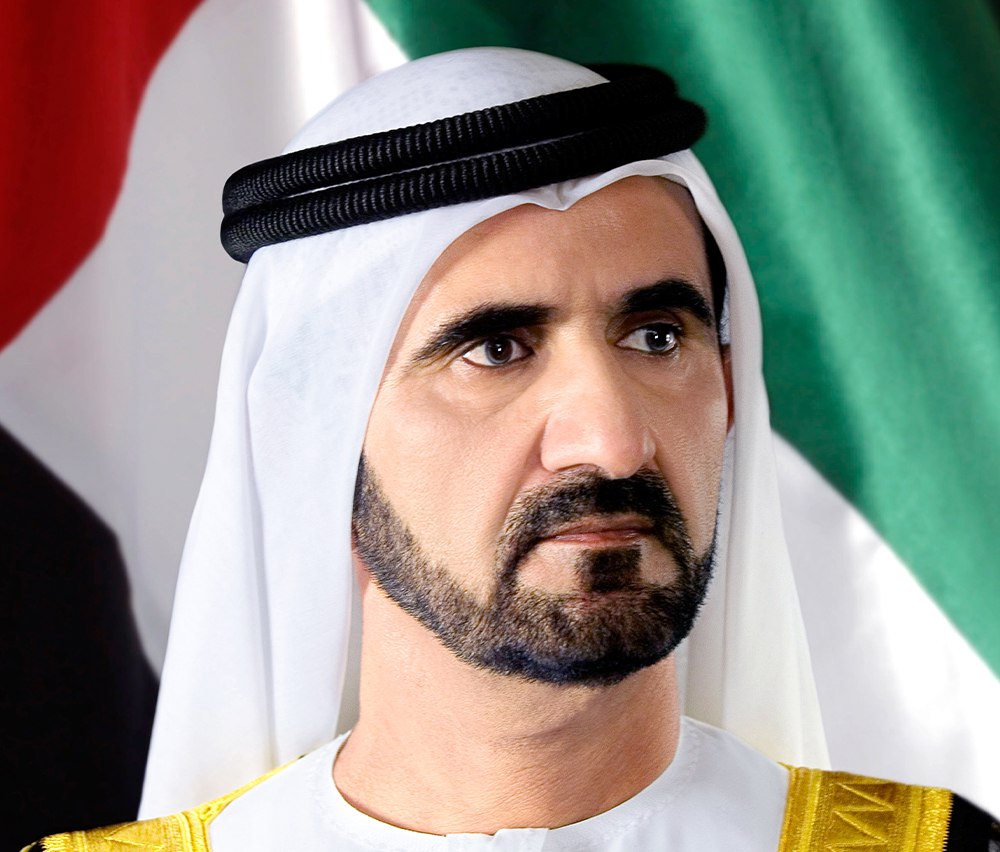
His Highness Sheikh Mohammed bin Rashid Al Maktoum, Vice President and Prime Minister, may God protect him, in his capacity as Ruler of the Emirate of Dubai, approved Law No. (23) of 2024 regarding the general budget cycle of the Government of Dubai for the fiscal years 2025-2027, and the general budget of the Government of Dubai for the fiscal year 2025.
The budget cycle was approved for the three years 2025-2027, with total expenditures of 272 billion dirhams and total revenues of 302 billion dirhams. This budget cycle is considered the largest in the emirate’s history, and it came to meet future ambitions and confirm Dubai’s interest in promoting sustainable economic growth, achieving community well-being, and consolidating the emirate’s position as a land of opportunities and innovation.
Expenditures for the fiscal year 2025 are estimated at a total of 86.26 billion dirhams, and revenues at a total of 97.66 billion dirhams, while the budget specified a general reserved reserve of revenues amounting to 5 billion dirhams.
In a clear expression of the emirate’s insistence on supporting development projects, stimulating the overall economy, and achieving the ambitious goals of the Dubai Plan 2030, the Dubai Economic Agenda D33, and the Quality of Life Strategy 2033.
In the fiscal year 2025 budget, Dubai continues to pay attention to social services and developing quality of life and related sectors, such as health, education, culture and infrastructure, within the framework of robust strategies such as the Education Strategy 2033 and the Dubai Social Agenda 33.
The 2025-2027 budget cycle came to express Dubai’s vision for the future by drawing an integrated map for sustainable development for all segments of society and achieving the inspiring vision of His Highness Sheikh Mohammed bin Rashid Al Maktoum for the name Dubai to become a global title synonymous with true well-being.
Financial sustainability
Director General of Dubai Finance, Abdul Rahman Saleh Al Saleh, said on this occasion that the department is keen to achieve the government’s financial sustainability, raise levels of competitiveness and transparency, and enhance the emirate’s attractiveness for investment, stressing that financial plans are flexible and developable.
He explained that the budget for the fiscal year 2025 continues to meet the requirements of the Dubai Strategic Plan 2030 and the objectives of the Dubai Economic Agenda D33, in addition to the plans recently launched by the Dubai government, the most prominent of which is the Dubai Cashless Strategy, which aims to strengthen Dubai’s position as the capital of the digital economy. He added: “In Dubai Finance, in cooperation with all government agencies, we are keen to achieve the vision of His Highness Sheikh Mohammed bin Rashid Al Maktoum, Vice President and Prime Minister of the UAE and Ruler of Dubai, may God protect him, and the directives of His Highness Sheikh Hamdan bin Mohammed bin Rashid Al Maktoum, and His Highness Ehd Dubai, Deputy Prime Minister and Minister of Defense, Chairman of the Executive Council of the Emirate of Dubai, to increase government support for vital areas, such as social development, housing for citizens, developing government work and digitizing life in Dubai, as well as advancing scientific research, increasing institutional agility, and enhancing the emirate’s global competitiveness. “.
The Director General of Dubai Finance confirmed that the government is committed to working in accordance with the directives of His Highness Sheikh Maktoum bin Mohammed bin Rashid Al Maktoum, First Deputy Ruler of Dubai, Deputy Prime Minister and Minister of Finance, on the necessity of adopting disciplined financial policies, noting that last year it established a general reserve that is deducted annually. Of revenues to support financial stability, it is scheduled to reach about 15 billion dirhams, according to what is planned for the three years 2025-2027, to reserve the surpluses achieved annually, which will achieve financial sustainability and enhance the financial position of the emirate.
Al Saleh expected to achieve an operating surplus of up to 4% of the expected gross domestic product for the year 2025, during the implementation of the three-year financial plan, in order to lay the foundations for the emirate’s financial sustainability.
Sectoral distribution of government expenditures for the fiscal year 2025
The budget for the fiscal year 2025 allocated 30% of total government expenditures to the social development sector in the areas of health, education, scientific research, housing, care for needy families, and care for women and children, in addition to attention to youth and sports, and care for the elderly, retirees, and people of determination, in a way that meets the requirements of the Dubai Social Agenda. 33 and the Education Strategy 2033.
The government gave great attention to the security, justice and safety sector, which is considered one of the most important sectors in the emirate, by allocating 18% of total expenditures to support and develop it.
The expenditures approved by the 2025 budget for the infrastructure sector and its construction projects amounted to 46% of the government’s total expenditures. These projects include roads, tunnels, bridges, means of transportation, sewage plants, gardens, parks, renewable energy plants, and a plan to develop the rainwater drainage network, in addition to the Al Maktoum Airport development project that was announced. Earlier this year, other projects support quality of life strategies and promote smart and sustainable transportation in Dubai. The emirate was also interested in supporting the public services sector, government excellence, creativity, innovation and scientific research, by allocating 6% of total government spending to develop performance and consolidate the culture of excellence, innovation and creativity.
Efficiency of spending and meeting requirements
For his part, Executive Director of the Planning and General Budget Sector in Dubai Finance, Arif Abdul Rahman Ahli, stressed that the vision of His Highness the Ruler of Dubai, and the directives of His Highness the Crown Prince of Dubai, Chairman of the Executive Council, are driving incentives for sound financial planning, thanks to which the department was able to develop an unprecedented financial plan. For three years, it is the largest in the history of the emirate.
Arif Ahli said that the budget for the fiscal year 2025 contributes to meeting the requirements of the Dubai Strategic Plan 2030 and beyond, and clearly expresses the stable financial position of the emirate, thanks to disciplined financial policies based on best practices in this regard, which contributes to achieving an operating surplus of 21% of the total. Government revenues, in order to achieve the desired financial sustainability of the emirate. He added: “In Dubai Finance, we continue to work on developing and implementing government spending efficiency programmes. We also continue to stimulate the partnership system between the public and private sectors, especially after the launch of a new portfolio of partnership projects between the two sectors, in the middle of this year, worth 40 billion dirhams.”
Support the digitization of life
For his part, Acting Executive Director of the Central Accounts Sector at Dubai Finance, Ahmed Ali Muftah, said that the budget cycle for the three years 2025-2027 was keen to support the strategy of digitizing life in Dubai, especially what relates to the digitization of channels for paying government fees and facilitating customer satisfaction with the aim of making them happy. Pointing out that the department, in cooperation with several government agencies, launched the digital installment system for government fees, and its experimental launch of the payment system via the biometric fingerprint of the face and hand.
Ahmed Muftah explained that smart collection of government fees through digital channels has increased in 2023, noting that 97% of transactions in various government agencies in the Dubai Government during the aforementioned year were digital. He added: “Dubai’s cashless strategy, which was announced by the Dubai government this October, aims to reach the percentage of cashless transactions in the public and private sectors to 90% in 2026.”

Follow our latest local and sports news and the latest political and economic developments via Google news
