
Operation Epic Fury Declared Concluded as US Pauses Project Freedom and Pushes for Diplomacy
US calls Operation Epic Fury concluded and pauses Project Freedom as diplomatic talks intensify in the Gulf; regional security and economic strains continue.
The United States announced that Operation Epic Fury — the US‑Israeli military campaign launched on February 28 — has been concluded, and Washington has moved to pause Project Freedom, the operation meant to escort ships through the Strait of Hormuz. Secretary of State Marco Rubio said the objectives of Operation Epic Fury were achieved, and President Donald Trump framed the pause in Project Freedom as a step to allow intensified diplomacy. The developments signal a shift from active military escalation to a cautious diplomatic track while regional tensions and economic pressures persist.
Rubio declares Operation Epic Fury concluded
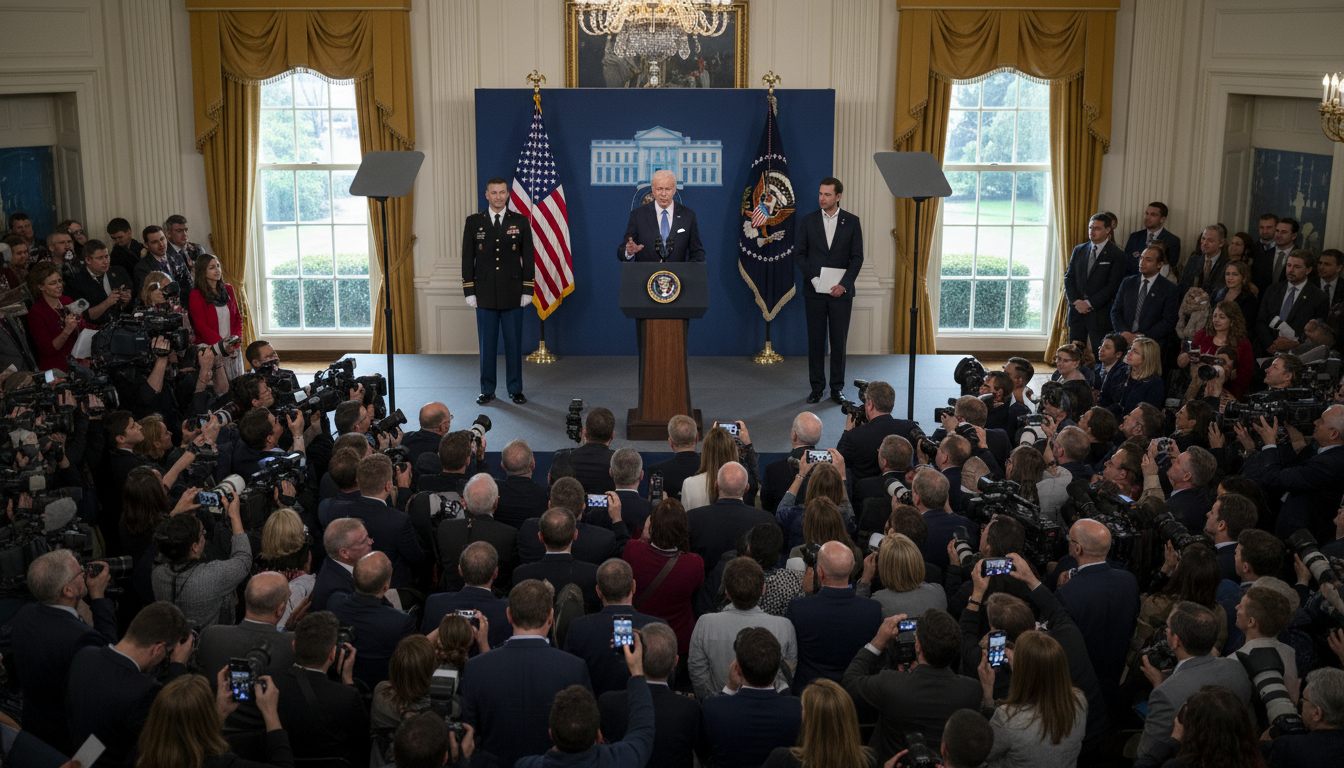
In a White House briefing, Secretary of State Marco Rubio informed reporters that Operation Epic Fury had met its goals and was considered concluded. Rubio emphasized a preference for the “path of peace” and highlighted diplomatic avenues as the next priority for Washington. His remarks framed the end of the operation as conditional on progress at the negotiating table rather than an unconditional withdrawal of pressure.
Washington’s announcement follows weeks of high‑intensity strikes and counter‑claims across the Gulf, and officials presented the conclusion as both a tactical and political decision. The declaration does not remove the wider network of sanctions and naval posturing, but it does mark a recalibration of visible US offensive action.
Trump pauses Project Freedom amid Pakistani mediation
President Trump said Project Freedom, the mission to escort stranded commercial vessels through the Strait of Hormuz, would be paused “based on the request” of Pakistan and other mediators as talks advanced. The pause was described as temporary and contingent on whether a “Complete and Final Agreement” could be reached with Iranian representatives. Trump framed the suspension as a diplomatic window to finalise an accord that could be presented as a political win.
Project Freedom had been positioned as a direct response to Iran’s closure of parts of the strait and its warnings that ships transiting without IRGC permission could be targeted. Pausing the operation reduces the immediate risk of a naval confrontation but leaves in place other measures such as sanctions and a declared blockade of Iranian ports.
Escalation in the Strait of Hormuz and regional incidents
The period since the US‑Israeli strikes began saw intense activity in the Strait of Hormuz, a chokepoint for roughly 20 percent of global oil and LNG shipments in peacetime. Claims and counterclaims proliferated, including reported drone strikes, alleged sinkings of small vessels, and disputed damage to a US warship that US Central Command denied. Tehran also released a map asserting extended control over parts of the strait, raising alarm in neighbouring states.
The UAE publicly accused Iran of strikes on the Fujairah port that damaged refinery infrastructure, an incident that highlighted how regional commercial hubs became entangled in military manoeuvres. Such incidents intensified international concern about trade disruptions and the broader security implications for Gulf littoral states.
Diplomatic backchannels and Pakistan‑led talks
Diplomacy moved to the fore as Pakistan hosted an initial round of talks between US and Iranian representatives that ended without a definitive settlement. Both sides have since submitted revised proposals, and Pakistani mediators said progress had been made, prompting the US to momentarily downshift military action. Officials on all sides signalled a willingness to continue backchannel engagement to avoid further escalation.
Analysts note the talks are complex and fragile, driven by competing demands on the nuclear file and wider security guarantees. Tehran has sought assurances that any agreement will constitute a durable end to hostilities, not a temporary pause, while Washington and its partners have pursued terms they say would limit Iranian capabilities and secure wider regional stability.
Analysts weigh prospects for a lasting ceasefire
Security experts say the pause could be the beginning of de‑escalation but warn that past opportunities have been missed when political actors recalibrated expectations. Shahram Akbarzadeh of Deakin University observed that pausing naval operations buys time for diplomacy but does not guarantee a permanent settlement. He added that domestic political pressures on both sides increase the difficulty of reaching a deal that neither side sees as a political defeat.
Burcu Ozcelik of RUSI argued that heavy diplomatic backchanneling reflects efforts to secure commitments from Tehran that exceed previous concessions, including sanctions relief tied to verifiable nuclear limitations. Analysts caution that the endurance of any agreement will depend on clear verification mechanisms, reciprocal concessions, and the ability of regional actors to prevent spoilers.
Economic and international pressures shaping next steps
Beyond military moves, economic strain is playing a decisive role in shaping Tehran’s calculations, analysts say, with a blockade of the strait imposing immediate costs on trade and recovery prospects. Observers expect increasing international pressure, including potential United Nations actions, to focus on Iran’s unilateral blockade of shipping lanes even as diplomats seek a negotiated end to hostilities. Economic hardship, paired with the threat of renewed strikes on critical infrastructure, may be a key lever pushing Iranian leaders toward compromise.
Regional governments and global markets are closely watching the diplomatic process, given the potential for renewed disruption to energy flows. The balance between maintaining coercive leverage and enabling a face‑saving diplomatic resolution will determine whether the current pause evolves into a durable cessation of hostilities.
The coming days will test whether the pause in Project Freedom and the declared end of Operation Epic Fury translate into verifiable steps toward a comprehensive agreement, or whether renewed incidents will force a return to kinetic responses.
