
Trump Visit to China Draws Mixed Reactions from Citizens in Beijing, Fuzhou and Jinan
Beijing, Fuzhou and Jinan react to the Trump visit to China, citing tariffs, higher fuel costs and market uncertainty while urging stable U.S.-China ties.
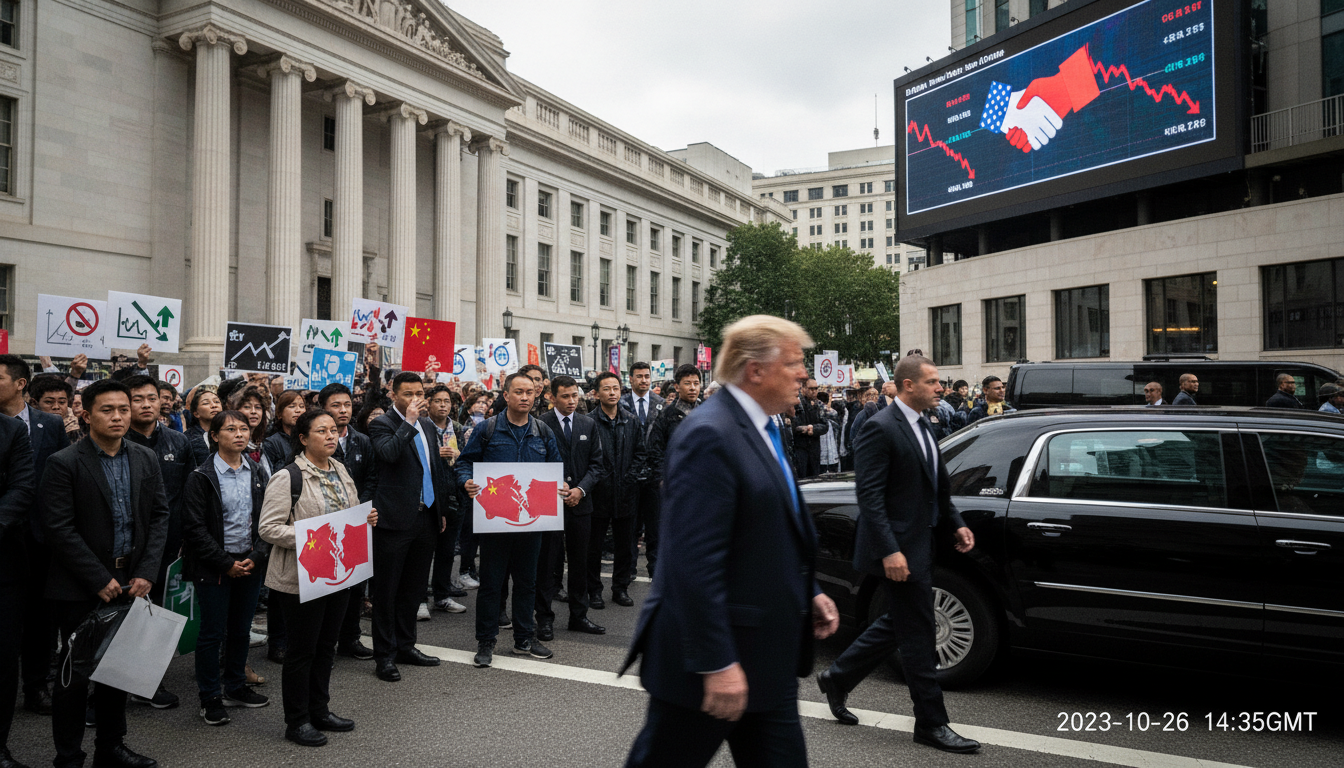
The Trump visit to China prompted a wide range of reactions from ordinary citizens across multiple cities, from stock investors monitoring portfolios to steel traders reporting weaker orders. Many respondents said the summit’s announcements could sway markets and affect everyday costs, with opinions shaped by recent tariff disputes and geopolitical tensions. Voices from Beijing, Fuzhou and Jinan reflected a blend of skepticism, pragmatic concern and calls for calmer bilateral relations.
Business Owners Say Tariffs and Trade Frictions Are Hurting Demand
Several small-business owners described tangible effects on their livelihoods as a direct result of ongoing trade frictions between the United States and China. A steel trader in Fuzhou said construction-sector weakness has reduced his sales, and he blamed tariff policies and bilateral tensions for dampening demand. Other entrepreneurs echoed similar worries, warning that prolonged uncertainty could depress investment and slow local recovery.
Investors also reported watching the diplomatic meetings closely for signs of policy shifts that could affect markets. In Beijing a retail investor said she was closely tracking announcements, concerned that sudden changes in rhetoric or policy could prompt abrupt swings in stock prices. Market participants said predictable, sustained cooperation would help restore confidence more than short-term gestures.
Fuel Prices and Regional Conflicts Push Up Everyday Costs
Residents linked global tensions, particularly the conflict involving Iran, to rising fuel prices that are squeezing household budgets. A taxi driver in Jinan described paying more at the pump and said higher transport costs filter through to other everyday expenses. For lower-income workers and small-service providers, such increases translate into immediate pressure on profitability and disposable income.
Those cost pressures compounded frustrations tied to broader economic slowdowns, including a weakening real estate sector in some regions. Young workers and retirees alike said they felt the ripple effects in job prospects and household finances, leaving them wary of further geopolitical shocks. Many urged leaders on both sides to prioritise measures that stabilise commodity prices and protect ordinary consumers.
Public Perceptions Vary from Amused to Hostile
Personal impressions of President Trump ranged from bemusement to outright disapproval among interviewees, shaping expectations for the visit’s outcome. A woman in a Beijing mall described some of the president’s past remarks as almost performative, suggesting they read like “stand-up comedy” to segments of the public. Others characterized him as aggressive, saying his style and actions had worsened bilateral sentiment in recent years.
Age and occupation influenced reactions: some younger respondents expressed indifference and confidence in China’s global standing, while older citizens voiced concerns about international friction. A film and television promoter contrasted Mr. Trump’s flamboyant style with what she perceived as a more sober Chinese leadership image. These differing perspectives feed into broader debates about how diplomacy should be conducted.
Misinformation on Social Media Shapes Attitudes
Several interviewees acknowledged that sensationalized or false stories circulating online had affected their views of the United States. Reports with extreme claims — which respondents described as widely shared on social platforms — contributed to negative impressions that were not always rooted in direct experience. Officials and analysts say such digital narratives can magnify distrust and complicate efforts to rebuild bilateral understanding.
At the same time, many respondents complained that misinformation compounds real grievances tied to trade policy and economic hardship. The blending of factual policy disputes with distorted reports makes it difficult for ordinary citizens to distinguish between concrete causes of economic pain and exaggerated accounts. Several people called for clearer, more reliable information from both governments and independent media to counter falsehoods.
Calls for Diplomatic Calm and Cooperative Economic Ties
Across the cities, ordinary residents repeatedly expressed a preference for stability and cooperation over confrontation. A steel seller urged leaders to “avoid tariff wars” and seek pragmatic ways to cooperate that would benefit businesses and workers. A retiree in Jinan said the visit offered an opportunity to reduce friction and protect the livelihoods of everyday people who suffer most during protracted disputes.
Many respondents framed the issue in practical terms: they want predictability that supports trade, investment and daily life rather than headline-driven volatility. Even those who sharply criticised certain U.S. policies expressed a desire for peaceful relations and economic engagement. Calls for respectful, steady diplomacy were a recurring theme among traders, drivers, retirees and younger workers alike.
Public sentiment during the Trump visit to China illustrates how high-level diplomacy filters down to streets and markets, where tariffs, fuel prices and social media narratives intersect with personal experience. While views differ by age, occupation and location, a common thread emerged: ordinary people favour stability and predictable policies that shield households and businesses from costly shocks.
