
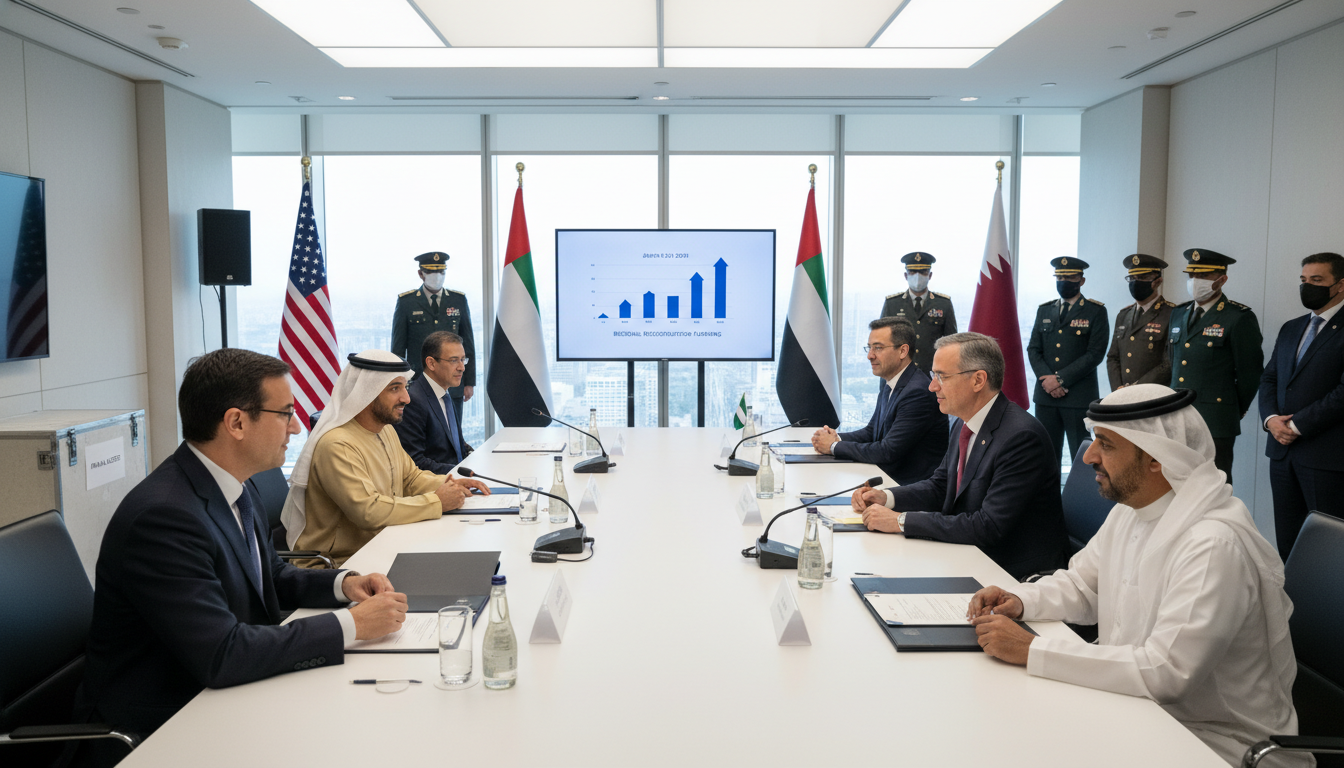
U.S. to make Iranian assets available to Gulf states for reconstruction
U.S. officials say Iranian assets will be made available to Gulf states to fund reconstruction and repairs, while the Treasury conducts damage assessments and legal reviews.
A U.S. official said on Sunday that Washington plans to make Iranian assets available to Gulf states to support rebuilding and repairs for damage attributed to Iran. The proposal, the official said, would also allow the United States to consider using those assets to address prior harms already suffered by regional partners. The announcement signals a potential shift in how frozen Iranian funds could be deployed to address security and humanitarian fallout across the Gulf.
Details of the U.S. proposal to release Iranian assets
A senior U.S. official described a plan that would channel Iranian assets toward reconstruction efforts in Gulf countries affected by hostile actions. The official said the initiative is intended to provide timely resources for infrastructure repair, civilian protection measures and economic recovery. The statement emphasized that any transfers would follow legal review and coordination with Gulf governments to determine priority needs.
Treasury orders damage assessment led by Scott Bessent
According to the source, U.S. Treasury Secretary Scott Bessent has instructed a team to evaluate the costs of damages caused by Iran to Gulf states. That assessment will reportedly quantify both recent losses and longer-standing harms to guide potential allocations from Iranian assets. The Treasury-led review is expected to inform which projects qualify for support and the scale of funding required.
Scope and priorities for reconstruction funding
Officials say the funds could cover physical rebuilding of infrastructure, compensation for affected civilians and measures to strengthen resilience against future attacks. Gulf governments would likely set local priorities, with U.S. oversight to ensure compliance with legal and policy constraints. Emergency repairs, port and energy infrastructure restoration, and humanitarian assistance were cited as likely initial priorities in discussions with regional partners.
Legal and diplomatic checks before any transfers
U.S. officials stressed that legal hurdles must be cleared before assets are moved, including sanctions, claims by victims or creditors, and international obligations. The Treasury team will conduct reviews to ensure transfers comply with U.S. law and existing court orders that may affect frozen Iranian funds. Diplomatically, Washington plans to coordinate with allies and Gulf governments to avoid unintended consequences and to preserve leverage in ongoing negotiations with Tehran.
Responses expected from Gulf capitals and regional partners
Gulf states have long sought mechanisms to address damages they attribute to Iranian actions, and officials in the region are expected to welcome direct support for reconstruction. Gulf governments will likely press for clear, predictable criteria for compensation and timely disbursements. At the same time, some regional partners may seek guarantees that funds will be used strictly for civilian reconstruction and not for militarization.
Potential regional and international implications
Making Iranian assets available for Gulf reconstruction could reshape diplomatic dynamics between Washington, Gulf states and Tehran. The move may be perceived as a pragmatic tool to address immediate humanitarian and reconstruction needs while preserving broader sanctions and pressure on Iran. International creditors, victims’ claimants, and legal authorities may contest or seek a role in how assets are allocated, complicating the implementation timeline.
Operational challenges and timeline for implementation
Officials warned that implementing the proposal would require weeks or months of legal review, asset accounting and diplomatic negotiation. Identifying which assets are accessible, resolving competing legal claims and establishing oversight mechanisms are among the tasks ahead. The Treasury assessment led by Secretary Bessent will play a central role in setting a realistic timetable and in recommending the size and scope of any disbursements.
The U.S. plan to use Iranian assets for Gulf reconstruction marks a notable policy development aimed at addressing tangible regional damage while maintaining legal and diplomatic safeguards. How quickly and effectively the funds can be released will depend on the Treasury’s assessment, legal clearances and agreement with Gulf partners on priorities and oversight.
